 0473 644 098 · Mon–Fri 9am–5pm AESTHelp & FAQ


The Great Divide in White Wine: What Makes Chardonnay and Sauvignon Blanc So Different – Yet So Alike

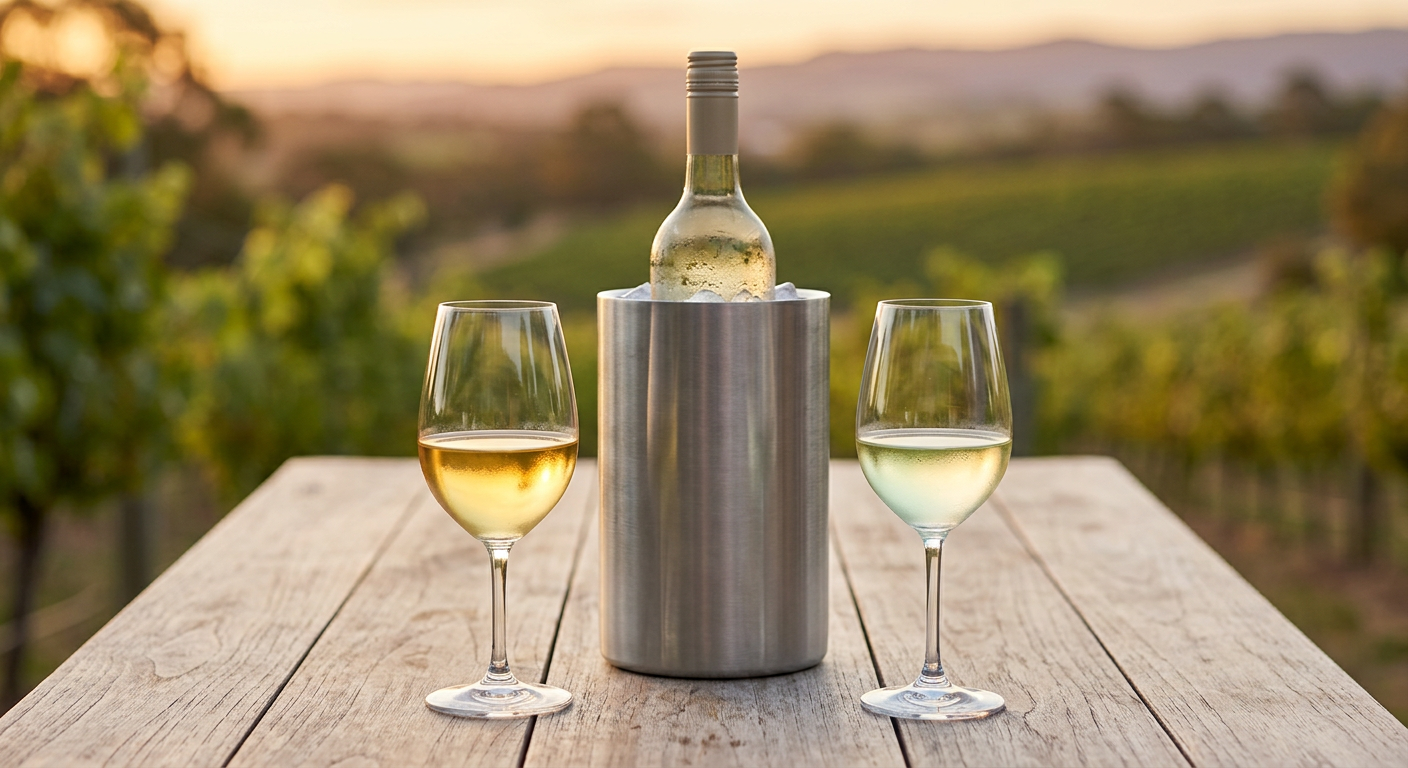
The Inevitable Comparison: Why Chardonnay and Sauvignon Blanc Face Off
Few grape varieties inspire as much comparison as Chardonnay and Sauvignon Blanc. Both dominate the white wine landscape globally, appearing on nearly every restaurant list and bottle shop shelf. Yet their personalities could scarcely be more divergent. Chardonnay is the chameleon—adaptable, shape-shifting, capable of expressing everything from crisp mineral finesse to voluptuous oak-aged richness. Sauvignon Blanc is the extrovert—immediate, piercing, aromatic, a wine that rarely hides its intentions.
The comparison arises partly from commercial reality. For decades, these two varieties defined what most people knew of white wine. In the 1980s and 1990s, Australian drinkers moving away from fortifieds and sweet whites encountered Chardonnay as their first serious white table wine. Later, the New Zealand surge redefined freshness through Sauvignon Blanc, turning Marlborough into a household name. This dynamic established an ongoing dialogue: creamy versus crisp, subtle versus overt, texture versus tension.
When Chardonnay Took Over the World
Here’s something genuinely fascinating about Chardonnay: its story began not as the globe-trotting conqueror we know today, but as a medieval Burgundian workhorse. In Chablis, it mirrored fossilised seashells and cool northern savagery; in Côte de Beaune, it became the vessel for luxury and longevity. The grape’s natural ability to adapt to different climates and stylistic interpretations made it irresistible to New World vintners seeking reliability and prestige.
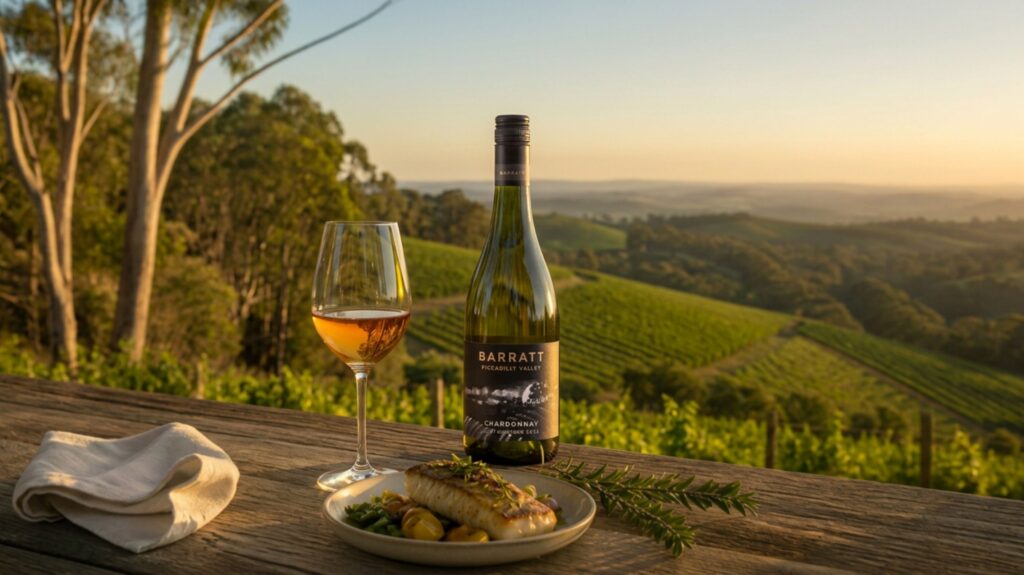
By the time Australian Chardonnay boomed in the late 1980s, the variety was nearly synonymous with modern sophistication. Producers in regions like the Yarra Valley, Margaret River, and Adelaide Hills discovered that Chardonnay rewarded precision and restraint. What began as a wave of heavy, buttery styles eventually gave way to a generation of wines guided by clarity and texture rather than power.
Wine critic Jancis Robinson, writing for JancisRobinson.com, once observed that Chardonnay is both an empty vessel and a mirror of terroir. That paradox lies at the heart of its appeal. The grape can absorb the winemaker’s hand—through oak, lees stirring, and malolactic fermentation—or transmit the soil’s individuality with remarkable honesty. Few other varieties can oscillate so fluently between these extremes.
Sauvignon Blanc and the Age of Aromatic Purity
If Chardonnay represents versatility, Sauvignon Blanc stands for purity and immediacy. Its green, energetic profile speaks of youth, not luxury. Pioneered in France’s Loire Valley, where Sancerre and Pouilly-Fumé reign supreme, the grape once expressed chalk, flint, and smoke in equal measure. Yet it was New Zealand that catapulted Sauvignon Blanc into mainstream consciousness.
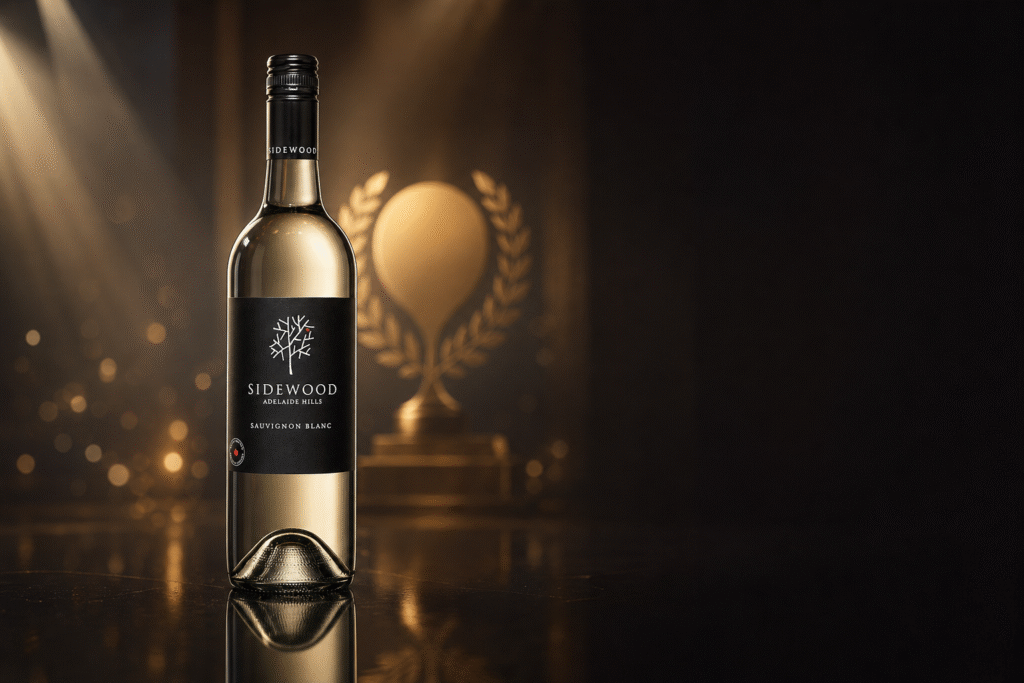
The rise of Marlborough in the 1980s redefined the grape’s global identity. Suddenly, Sauvignon Blanc meant gooseberry, passionfruit, and lime. It meant sharp vibrancy and piercing aromatics. It meant accessibility. Australian winemakers, particularly those in Adelaide Hills and Tasmania, took note, creating expressions that sit between Loire restraint and Kiwi flamboyance.
According to James Halliday in The Australian Wine Companion, “Sauvignon Blanc found its voice in Australia not by mimicking New Zealand, but by seeking its own balance between freshness and sophistication.” The evolution of this balance reflects a national conversation around what elegance means in white wine—and why Sauvignon Blanc remains irresistible even to those who claim allegiance to Chardonnay.
 $37.33
/ bottle
$224.00 for a case of 6
$37.33
/ bottle
$224.00 for a case of 6
 $24.83
/ bottle
$149.00 for a case of 6
$24.83
/ bottle
$149.00 for a case of 6
Hay Shed Hill Vineyard Series Morrison's Gift Chardonnay /
Shipped by
Wines Australia
$24.83
/ bottle
$149.00 for a case of 6
 $47.67
/ bottle
$286.00 for a case of 6
$47.67
/ bottle
$286.00 for a case of 6
McHenry Hohnen Laterite Hills Chardonnay
Shipped by
Wine Cellars
$47.67
/ bottle
$286.00 for a case of 6
 $32.75
/ bottle
$393.00 for a case of 12
$32.75
/ bottle
$393.00 for a case of 12
Freycinet Wines Louis Chardonnay /
Shipped by
Wines Australia
$32.75
/ bottle
$393.00 for a case of 12
 $10.67
/ bottle
$128.00 for a case of 12
$10.67
/ bottle
$128.00 for a case of 12
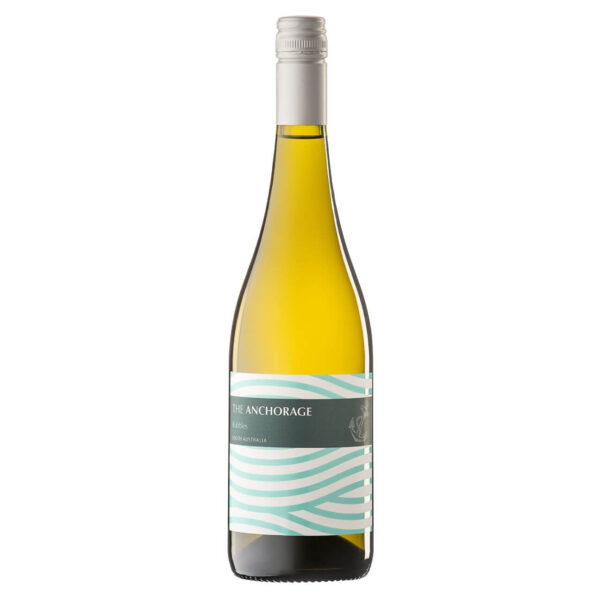
The Anchorage Bubbles NV
Shipped by
Vintage House Wine & Spirits
$10.67
/ bottle
$128.00 for a case of 12
 $23.33
/ bottle
$140.00 for a case of 6
$23.33
/ bottle
$140.00 for a case of 6
 224 pts
 Texture Versus Aroma: The Heart of the Divide
At its core, the Chardonnay versus Sauvignon Blanc debate mirrors two divergent sensory philosophies. Chardonnay is about texture—mouthfeel, shape, breadth. Even when made unoaked, fine Chardonnay stretches across the palate, carrying a sense of weight that demands contemplation. Sauvignon Blanc, by contrast, is defined by aromatic attack and sharp precision. Its power lies in the nose and in the linear definition of its acidity.
When a drinker leans toward Chardonnay, they often crave subtlety and evolution: toasted hazelnut, struck match, brioche, white peach. With Sauvignon Blanc, the attraction is immediacy and refreshment: wild herbs, passionfruit, lime zest. Neither tendency is superior—it simply reflects differing relationships to wine.
Here lies the crux of their enduring comparison: each delivers pleasure through opposite means. Chardonnay seduces slowly; Sauvignon Blanc dazzles instantly. Yet both can achieve depth when treated with respect in the vineyard.
When Maritime Air Meets Limestone and Granite
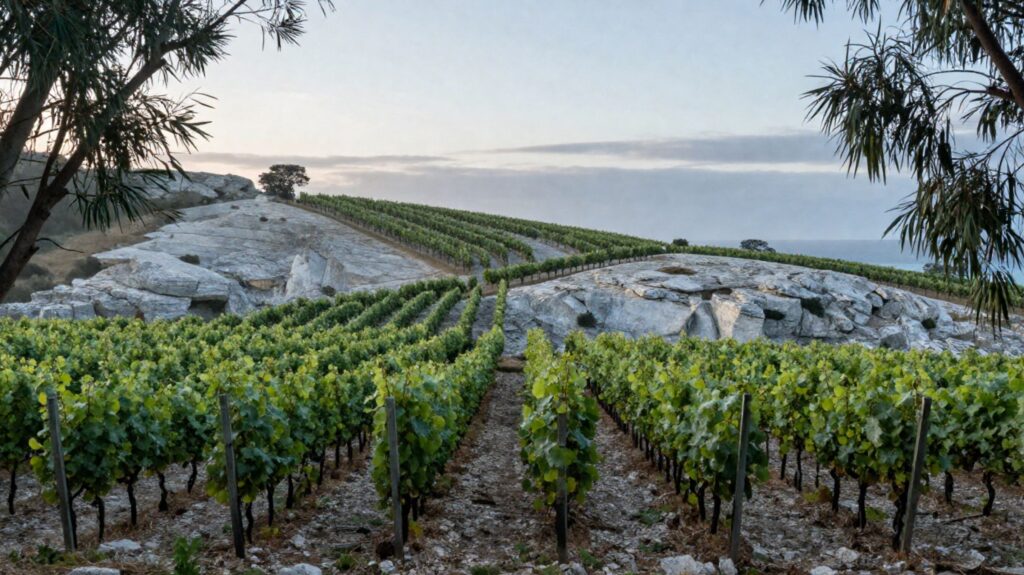
Terroir explains much of the story behind their divergence. In cool Burgundian villages, Chardonnay drapes itself in minerality and soft orchard fruit; under the Margaret River sun, it turns golden, layered, maritime-influenced. Sauvignon Blanc reacts differently, amplifying its herbal and citrus-driven energy when grown in cooler, ocean-moderated climates like the Adelaide Hills or Great Southern.
The difference lies in how each grape interprets its environment. Chardonnay internalises heat and builds glycerol richness. Sauvignon Blanc externalises it, maintaining tension even under sunshine. A limestone soil will coax broad, nutty generosity from Chardonnay, whereas granitic or slate soils sharpen Sauvignon Blanc’s angles. Understanding these responses explains why global comparisons persist: they teach us not just about the grapes themselves, but about the profound dialogue between grape and ground.
When Opposites Attract: How They Complement Each Other
Interestingly, the two varieties also complement each other beautifully when blended. Bordeaux’s white wines—particularly from Graves or Pessac-Léognan—have long demonstrated how Sauvignon Blanc’s angular freshness can lift the plush, lanolin-like texture of Semillon or even Chardonnay. A growing number of Australian producers experiment with similar marriages, seeking balance between acidity and generosity.
In the glass, Chardonnay can soften Sauvignon Blanc’s edges, while Sauvignon Blanc can sharpen Chardonnay’s focus. Together, they create tension and harmony simultaneously. This idea—contrast as beauty—is what defines modern blending philosophy. Although most consumers encounter the two wines separately, their dialogue inside the bottle reveals what makes them such enduring rivals.
Winemaking as Philosophy: Hands-Off Versus Sculpted Styles
The two grapes invite very different winemaking philosophies. Sauvignon Blanc rarely needs embellishment. It shines when treated with minimal intervention—stainless steel, cool fermentation, and preservation of primary fruit. Chardonnay, conversely, invites craftsmanship. Oak barrels, bâtonnage, and malolactic fermentation become tools not for manipulation but for exploration.
One could think of Sauvignon Blanc as the snapshot—capturing a precise instant in time—and Chardonnay as the oil painting—layered, interpretive, exploratory. Modern winemakers understand that neither approach is more “authentic”; they simply express complementary creative instincts. That is why a tasting of fine Chardonnay and Sauvignon Blanc side by side offers such a compelling study in aesthetic difference.
 $24.58
/ bottle
$295.00 for a case of 12
$24.58
/ bottle
$295.00 for a case of 12
 Hot
Hot
 $18.83
/ bottle
$113.00 for a case of 6
$18.83
/ bottle
$113.00 for a case of 6
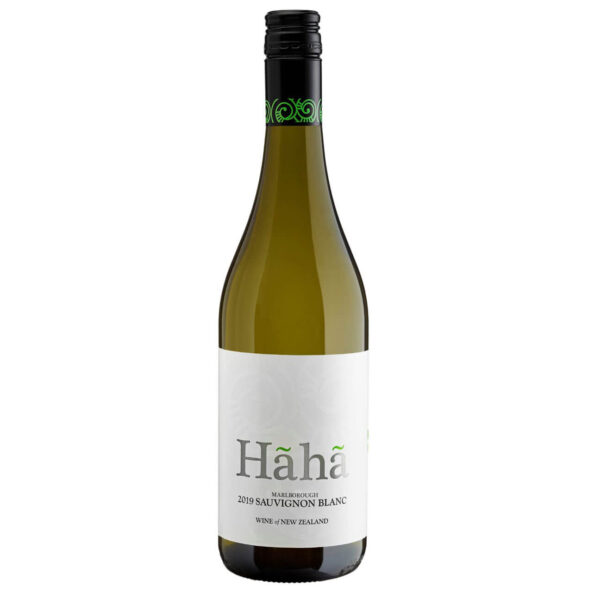
Haha Marlborough Sauvignon Blanc
Shipped by
Wines By Cellars
$18.83
/ bottle
$113.00 for a case of 6
 $264
off RRP
-55% Hot
$264
off RRP
-55% Hot
 $40.00
$18.00
/ bottle
$216.00 for a case of 12
$40.00
$18.00
/ bottle
$216.00 for a case of 12
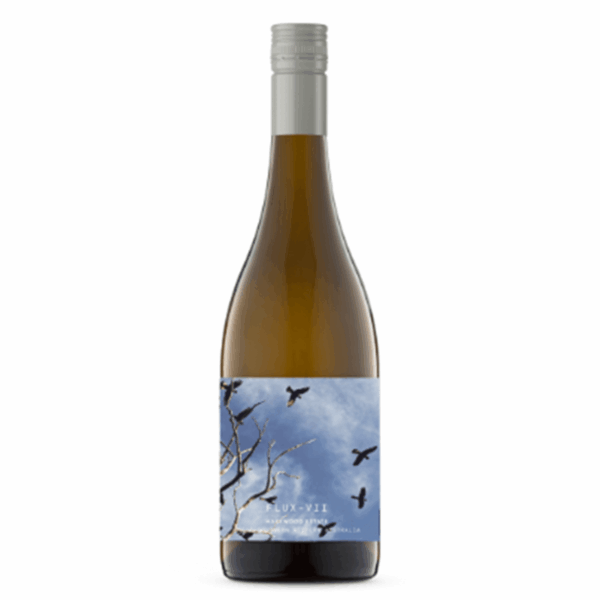
Harewood Estate Flux-VII White Blend
Shipped by
Wines By Cellars
$40.00
$18.00
/ bottle
$216.00 for a case of 12
 $8.13
/ can
$130.00 for a case of 16
$8.13
/ can
$130.00 for a case of 16
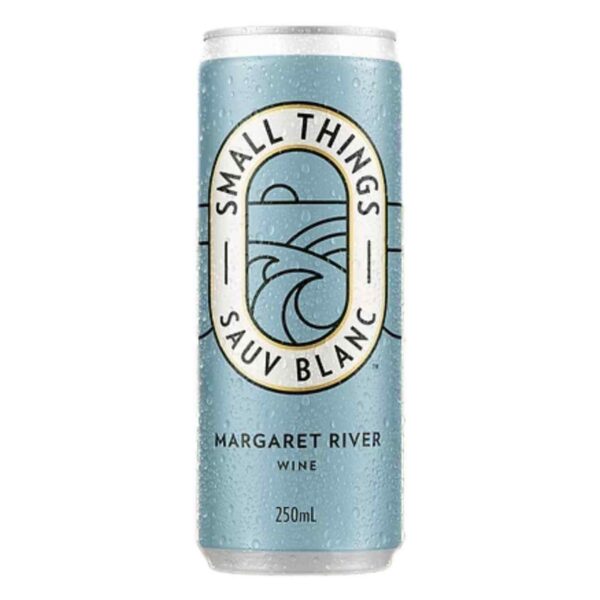
Small Things Wine Sauvignon Blanc 2025 (16 x 250ml Cans) Margaret River, WA
Shipped by
Small Things Wine
$8.13
/ can
$130.00 for a case of 16
 $13.33
/ bottle
$160.00 for a case of 12
$13.33
/ bottle
$160.00 for a case of 12
Rockcliffe Estate Peaceful Bay Sauvignon Blanc
Shipped by
Rockcliffe Wines, Denmark WA
$13.33
/ bottle
$160.00 for a case of 12
 $22.33
/ bottle
$268.00 for a case of 12
$22.33
/ bottle
$268.00 for a case of 12
The Cultural Divide: From “Anything But Chardonnay” to “Sauvignon Fatigue”
Cultural swings have also fuelled their rivalry. In the late 1990s, the “Anything But Chardonnay” movement swept through English-speaking markets, a reaction to the over-oaked, cloying styles that had dominated restaurant lists. Drinkers turned to Sauvignon Blanc for relief—its crispness became a symbol of modernity and purity. Eventually, overexposure led to its own backlash, particularly as mass-market examples blurred into uniformity.
Yet today, the pendulum seems to have settled somewhere meaningful. Chardonnay has regained sophistication through restraint and site-driven expression, whilst Sauvignon Blanc continues to thrive as a consistent, joyful everyday wine. In Australia, both varieties now coexist rather than compete. Each satisfies distinct moods and moments, reflecting an evolved consumer palate that values nuance over brand loyalty.
Taste Evolution and the Australian Palate
The Australian palate has matured dramatically since the 1980s. Where once Chardonnay equalled richness and Sauvignon Blanc equalled refreshment, modern expressions challenge such binaries. Chardonnay producers like Leeuwin Estate, Giaconda, and Tolpuddle Vineyard pursue purity and tension rather than sheer weight. Meanwhile, Australian Sauvignon Blancs from Shaw + Smith or Tertini Wines prove that texture and depth are not exclusive to one varietal.
The shift reflects changing expectations about white wine’s role. It’s now less about thirst-quenching and more about intellectual pleasure. A fine Chardonnay from the Yarra Valley can accompany white truffle risotto; a taut Sauvignon Blanc from Tasmania can elevate oysters and sashimi. The question is no longer which wine is “better” but which articulates the moment most truthfully.
Why This Debate Matters (And Why It Never Ends)
The ongoing fascination with Chardonnay and Sauvignon Blanc isn’t merely about flavour. It’s about identity. These two grapes encapsulate opposing but equally valid visions of what wine can be. Sauvignon Blanc speaks of energy, sunlight, and clarity. Chardonnay embodies patience, transformation, and texture. Each challenges the drinker to engage differently—with time, with temperature, and with context.
The real reason they are so frequently compared lies in their success. Between them, they define the modern language of white wine. Every other variety, from Riesling to Vermentino, is inevitably positioned in their shadow or against their template. The contrast between them—vivid, tangible, and sensory—anchors how both professionals and enthusiasts learn to taste.
Where They Meet: Harmony in Glass and Spirit
Perhaps the truest conclusion isn’t about rivalry but complementarity. These wines aren’t enemies; they are counterpoints in the same symphony. Chardonnay shows what time and contact with oxygen can achieve—the depth and quiet richness of maturity. Sauvignon Blanc demonstrates the brilliance of immediacy—the joy of fruit and acid caught at their peak.
Together, they illustrate wine’s ability to express time. One rewards patience; the other celebrates the present. This duality ensures their comparison will never stop—and never should. Because in that tension, drinkers rediscover why white wine remains endlessly fascinating.
 Shiraz
 Cabernet Sauvignon
 Pinot Noir
 Grenache
 Merlot
 Red Wine Blends
 Chardonnay
 Riesling
 Pinot Gris
 Semillon
 Viognier
 Grenache Rosé
 Pinot Noir Rosé
 Shiraz Rosé
 Sangiovese Rosé
 Aglianico Rosé
 Clairette Rose
 Champagne
 Prosecco
 Sparkling Shiraz
 Blanc de Blanc
 Blanc de Noir
 Pet Nat
 Moscato
 Topaque
 Port
Port Sherry (dry & sweet)
 Muscat & Tokay
 Vermouth