 0473 644 098 · Mon–Fri 9am–5pm AESTHelp & FAQ


Bottles In The Dark: How And Why We Cellar Wine


Cellaring wine is really about giving certain bottles time and the right conditions to become more interesting than they were the day they were bought. When a label or a critic says “drink now or cellar 5–10 years,” it is a quiet way of saying that the wine has enough structure and concentration to change in a positive direction, not just to survive.
When “drink now or cellar” actually means something
The phrase “drink now or cellar” sounds casual, but it hides a lot of technical reality. A young wine that can be enjoyed immediately yet also rewarded after years in the dark usually has three key things: sufficient fruit concentration, a framework of acidity and/or tannin, and enough overall balance that it will not fall apart as it softens. Without those building blocks, extra time simply makes a wine tired rather than more complex.
This is why so many inexpensive, juicy reds and friendly, simple whites are better treated as “drink now” wines in the truest sense. They are made to be charming in their youth, with soft tannins, modest acidity and very primary fruit. Holding them for five or ten years rarely adds anything of value. By contrast, a structured Barossa Shiraz, a firm Cabernet Sauvignon from Coonawarra or Margaret River, or a tight, young Hunter Valley Semillon will often begin life a little serious, even stern. These are exactly the wines where time in bottle can transform angular youth into layered, savoury maturity.
Why anyone bothers to keep wine at all
Here is where the romance of cellaring gets real. In youth, many wines show bright, sweet‑edged fruit and clear oak seasoning. Given time, that fruit can shift from fresh berries or citrus into something more like compote, dried peel or marmalade. Oak integrates, tannins melt, acids feel less aggressive. Aromas of leather, tobacco, mushroom, honey or toast start to appear. The wine becomes less about obvious fruit and more about texture, nuance and secondary character.
The real use of holding onto wine is not about prestige or scarcity, although both play their part in collecting. It is about catching a bottle at the point where it most closely matches someone’s taste. For some, that “sweet spot” is five years after vintage; for others, it is twenty. A private cellar allows a drinker to follow a favourite wine through that arc, opening one bottle young, another mid‑term, another when fully mature. That progression teaches more about a producer and a region than any number of tasting‑room samples.
There is also a practical side. Buying a case on release and cellaring it can be far cheaper than trying to track down the same wine with age later, particularly in Australia where back‑vintage supply is limited. For those who entertain often, having a “working cellar” means there is always something ready at various stages, rather than last‑minute dashes to the bottle shop and a fridge full of bottles that are all too young.
Not every wine deserves a decade in the dark
Here is a useful truth that experienced collectors quietly repeat to themselves: it is better to drink a wine slightly too young than too old. Cellaring is not a magic spell that makes everything better. A flabby, unbalanced wine will not miraculously become elegant with time; it will simply grow more tired. The vast majority of wines produced globally are designed for early drinking within a few years of vintage.
Wines that usually justify serious cellaring tend to share family traits. In red, that often means Cabernet Sauvignon, Syrah/Shiraz, Nebbiolo, Tempranillo, quality Pinot Noir, and blends based around those varieties, particularly when they come from reputable regions and producers. Their youth is marked by firm tannin, clear acidity and depth of fruit. In white, Riesling, Chardonnay, Semillon, Chenin Blanc and certain high‑quality sweet wines can age beautifully, developing honeyed, toasty, petrol or lanolin notes that fans find irresistible.
Price is not a perfect guide, but it is rarely irrelevant. A $15 supermarket red with soft, jammy fruit and 14.5% alcohol is unlikely to blossom in ten years; a carefully made Margaret River Cabernet at a more serious price point is much more likely to repay patience. Even then, personal taste matters. Someone who loves bold primary fruit and snap‑fresh acidity may actually prefer wines earlier in their life. In that case, keeping everything for a decade is not so much a noble sacrifice as a way of depriving themselves of the style they most enjoy.
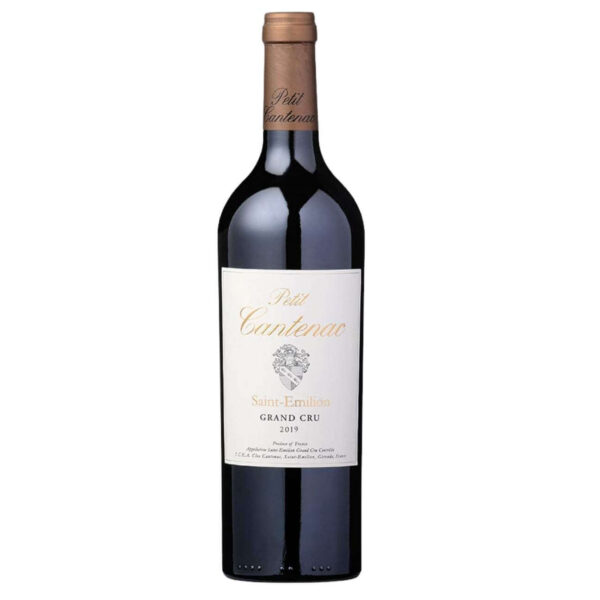
$69.00
/ bottle
$414.00 for a case of 6
Clos Cantenac Petit Cantenac Saint-Émilion Grand Cru
$69.00
/ bottle
$414.00 for a case of 6
 414 pts
$36.00
/ bottle
$216.00 for a case of 6
Johns Blend Cabernet Sauvignon
$36.00
/ bottle
$216.00 for a case of 6
$240
off RRP
-57% Hot
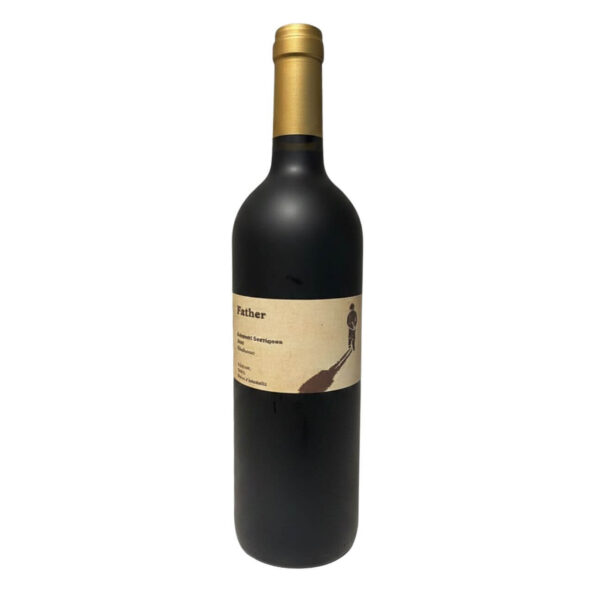
$70.00
$30.00
/ bottle
$180.00 for a case of 6
Sunshine Creek Father Cabernet Sauvignon
$70.00
$30.00
/ bottle
$180.00 for a case of 6
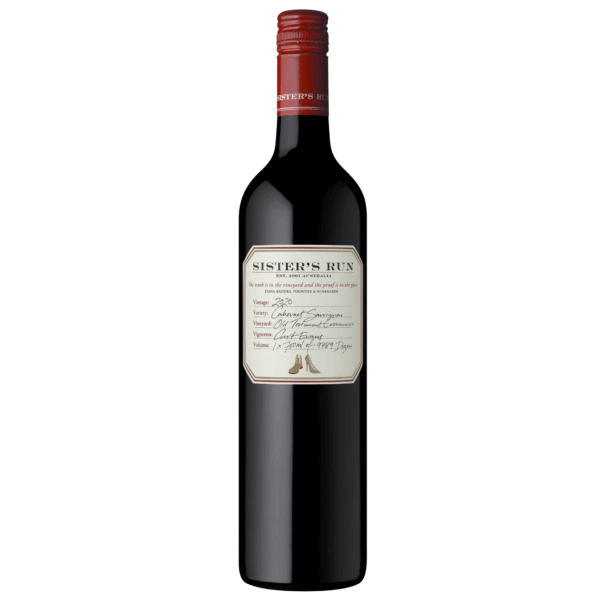
$21.00
/ bottle
$126.00 for a case of 6
Sister’s Run Old Testament Cabernet Sauvignon
$21.00
/ bottle
$126.00 for a case of 6
$90.50
/ bottle
$543.00 for a case of 6
$45.00
/ bottle
$540.00 for a case of 12
How to decide whether to drink or to hold
At the point of purchase, the best guide is often the producer’s own drinking window and, where available, the advice of trusted critics or merchants. If a winery suggests “drink now to 2030,” that does not mean the wine becomes undrinkable in 2031. It means the winemaker believes the wine will be on the upward part of its quality curve for that period. Within that range, personal preference rules.
A practical approach is to buy in small groups rather than single bottles whenever budget allows. Three or six of the same wine creates an opportunity to open one early, gauge where it sits, and adjust plans. If it already feels beautifully knit together, the rest can be enjoyed over the next couple of years. If it is still tight and unyielding, that is a clear sign to forget the rest for a while. This is how many collectors quietly teach themselves what “too young,” “just right” and “too old” actually taste like in their own glass.
It is also perfectly valid to run a mixed approach. Many Australian enthusiasts keep a shelf or rack of “ready to drink” wines that are not expected to improve with time, alongside a more carefully stored stash of bottles intended for later. That keeps the pressure off the cellar and avoids the common trap of never feeling that a bottle is “special enough” to open.
If you are going to keep wine, the conditions matter
Once the decision is made to hold onto a bottle for five, ten or fifteen years, the way it is stored matters far more than many people realise. Heat is the most obvious enemy. Temperatures in the mid‑twenties and above, especially when they fluctuate, can cook wine in a matter of weeks or months, stripping freshness and accelerating oxidation. In many Australian homes, that rules out the top of the fridge, a sun‑soaked kitchen shelf or the garage.
The ideal environment for cellaring is cool, dark, still and reasonably humid. In practical terms, that means a temperature around the low‑ to mid‑teens, steady throughout the year, with no direct sunlight and as little vibration as possible. Excessive dryness can cause natural corks to shrink and let air in, which is why traditional cellars aim for moderate humidity. Wines closed under screwcap, as so many Australian bottles now are, do not need to be laid on their side to keep a cork moist, but they still benefit from the same stable, cool conditions.
For those with the means and commitment, a dedicated wine cabinet or climate‑controlled cellar is the gold standard. For everyone else, improvisation can work surprisingly well. The coolest, most stable part of a house is often an internal cupboard on a lower level, away from windows and external walls. Storing boxes on the floor rather than high up takes advantage of naturally cooler air and reduces vibration. The aim is not perfection, but consistency. A wine gently evolving at 17 degrees will fare better than one repeatedly bouncing between 12 and 30.
What actually happens while the bottles sleep
During cellaring, a quiet cascade of chemical reactions reshapes a wine. Tannins, particularly in red wines, polymerise and form longer chains, which is why a fiercely astringent young Cabernet might feel silkier ten years later. Acidity can seem less sharp as fruit and secondary characters fill in around it. Volatile aroma molecules are constantly binding, breaking and reforming, which is where those savoury, earthy, nutty notes come from. Colour pigments change in response to time and trace oxygen, shifting from vivid purple to garnet in red wines and from green‑tinged pale to deeper gold in whites.
None of this guarantees pleasure. The art of cellaring is in intercepting the wine at the moment when those changes create harmony rather than decay. A bottle forgotten under a stairwell for thirty years, then proudly produced “for a special occasion,” is too often a tiny tragedy in a glass. By contrast, opening a well‑kept bottle that has reached its textural and aromatic peak can feel like meeting a familiar friend who has grown more interesting with age.
Keeping cellaring grounded in real life
The most sensible way to think about cellaring is not as a competition to see who can hold bottles the longest, but as a practical tool for shaping future drinking. A small home collection that balances “drink now” wines with a handful of bottles set aside for later can transform everyday evenings and special occasions alike. It allows a host to choose between a bright, youthful Adelaide Hills Sauvignon Blanc for an easy mid‑week dinner and a gracefully mature Barossa Shiraz for a winter gathering without scrambling.
In the end, the real use of holding onto wine is the pleasure of watching it change and the freedom that comes from having those changes ready to hand. For newcomers considering their first serious purchases, the most helpful question is not “how long can this last,” but “how would I like this to taste when I finally pull the cork?” The answer to that will guide what to cellar, what to drink, and how to make the bottles resting quietly in the dark genuinely earn their keep.
 Shiraz
 Cabernet Sauvignon
 Pinot Noir
 Grenache
 Merlot
 Red Wine Blends
 Chardonnay
 Riesling
 Pinot Gris
 Semillon
 Viognier
 Grenache Rosé
 Pinot Noir Rosé
 Shiraz Rosé
 Sangiovese Rosé
 Aglianico Rosé
 Clairette Rose
 Champagne
 Prosecco
 Sparkling Shiraz
 Blanc de Blanc
 Blanc de Noir
 Pet Nat
 Moscato
 Topaque
 Port
Port Sherry (dry & sweet)
 Muscat & Tokay
 Vermouth