 0473 644 098 · Mon–Fri 9am–5pm AESTHelp & FAQ


Elderton Wines Pairs Potato Chips With Its Small Victories Range in the Barossa

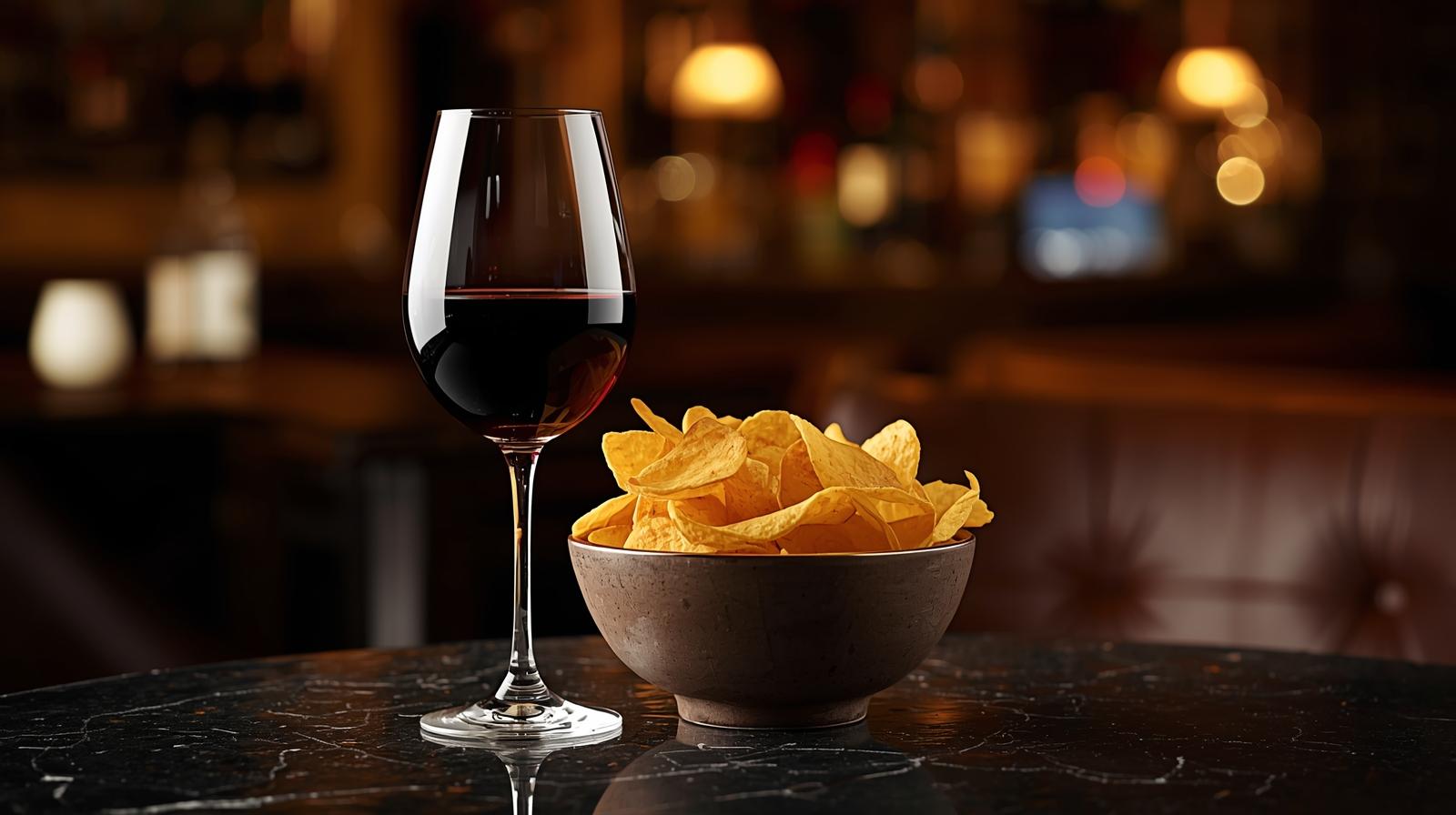
Wine tastings follow predictable scripts. Arrive at the cellar door. Receive a flight of wines arranged from lightest to heaviest. Perhaps some bread appears to cleanse the palate. Occasionally cheese. The ritual rarely deviates, partly because it works, partly because no one questions whether something else might work better. Yet Elderton Wines in Nuriootpa has decided that potato chips, the humble snack found in service station aisles and children’s lunchboxes, deserve a place alongside wine designed for serious consideration.
Throughout January and February 2026, Elderton’s cellar door is running a potato crisp and wine-paired tasting showcasing the winery’s Small Victories Wine Co. range. This isn’t gimmickry disguised as innovation. The pairing rests on solid sensory science about how salt and fat interact with wine on the palate, creating combinations that enhance both elements rather than merely tolerating each other’s presence.
The Small Victories Philosophy: When a Barossa Family Decides to Break Its Own Rules
Small Victories Wine Co. emerged from Elderton in 2020, the family’s 40th year in operation. Jules and Cameron Ashmead, alongside Bec and Alistair Ashmead, created the label specifically to explore wine styles that didn’t fit Elderton’s established identity. Elderton built its reputation on traditional Barossa varieties (Shiraz, Cabernet Sauvignon, Riesling) from some of the world’s oldest surviving vineyards, including plantings from 1894 and 1915. The wines are big, concentrated, structured for aging, expressions of old-vine intensity that define classic Barossa character.
Small Victories moves in the opposite direction deliberately. “The wines are seriously good but are made with an element of fun,” explains Bec Ashmead. “You don’t need to sit around talking about them, instead enjoy the moment as you savour them with friends and loved ones.” The range includes Pinot Gris, Vermentino, and Rosé alongside lighter-styled reds like Sangiovese, Blended Fields, Shiraz, and Grenache Mataro. These are wines designed for immediate consumption, showcasing vibrant primary fruit without requiring cellaring or contemplation. They’re fresh, modern, and deliberately positioned as uncomplicated pleasure.
Pairing these wines with potato chips rather than cheese or charcuterie extends this philosophy into the tasting experience itself. If the wines reject Barossa convention, the tasting format should reject conventional tastings.
The Science Behind Salt, Fat, and Wine: Why This Actually Works
The pairing isn’t arbitrary. Salt and fat fundamentally alter how wine tastes, and understanding these interactions explains why potato chips function so effectively alongside certain wine styles.
“Potato chips go well with wine because the salt and fat on the chips help define the flavors in the wine,” explains wine educator Ray Isle. Salt enhances perception of fruitiness in wine while reducing the perception of bitterness and acidity. This is why a wine that tastes harsh or unbalanced on its own can suddenly taste rounder and more approachable when consumed alongside salty snacks. The salt doesn’t change the wine chemically, but it changes how taste receptors in the mouth respond to the wine’s components.
Fat performs a different but complementary function. Fatty foods coat the palate, temporarily reducing taste sensitivity. High-acid wines cut through this fat coating, cleansing the palate and restoring receptors’ ability to perceive flavour. This acid-fat dynamic explains why Champagne pairs magnificently with fried foods, why Sauvignon Blanc works alongside rich cheese, and why fresh white wines traditionally accompany seafood prepared with butter or cream sauces.
Potato chips deliver both salt and fat simultaneously. The result is a food that enhances wine’s fruit character through salt while demanding wine’s acidity to prevent palate fatigue from fat. “The salt and fat coats your tongue, then the Champagne cleanses it away. Have another chip, sip, and repeat,” according to detailed pairing analysis examining how these elements interact across multiple tasting cycles.
The specific chip flavour matters as well. Classic salted chips function as neutral canvases, allowing wine’s characteristics to emerge enhanced but unchanged. Flavoured chips (barbecue, salt and vinegar, sour cream and onion) introduce additional taste elements that must be matched or contrasted with wine components.
The Elderton Pairings: What Works With Which Wine
The Small Victories tasting pairs different wines with complementary chip styles, recognising that not all combinations succeed equally.
Light white wines like Pinot Gris and Vermentino work beautifully with classic salted chips. The wine’s crisp acidity cuts through the chips’ fat, while the salt amplifies the wines’ citrus and stone fruit characters. These are refreshing pairings, ideal for warm Barossa afternoons when heavy food feels oppressive.
The Rosé introduces additional complexity. Rosé already possesses the hybrid characteristics that make it versatile with food (bright acidity like white wine, subtle tannin structure like red wine, all while remaining light-bodied). Paired with chips, particularly salt-and-vinegar varieties, rosé’s acidity finds a natural partner. “The crisp acidity of the wine beautifully balances the tangy, savory flavors of the chips, with the minerality enhancing the salty crunch,” according to pairing guides exploring how rosé’s structure interacts with acidic, salty foods.
The lighter-styled reds (Sangiovese, Grenache Mataro) require chips with more character to avoid overwhelming the snack. Barbecue-flavoured chips, with their sweet-smoky coating, pair well with fruit-forward reds. “BBQ chips have a sweet coating that goes well with a fruity, crisp Napa Zinfandel or Pinot Noir,” notes professional pairing analysis, and the same logic applies to Small Victories’ red wines, which emphasise fresh fruit over extracted tannins.
Beyond Elderton: The Barossa’s Experimental Summer
Elderton isn’t alone in reimagining summer tastings. Seppeltsfield Road Distillers, located nearby on Seppeltsfield Road, has introduced gin and gelato pairings alongside gin and pickle experiences. The gin and gelato tasting pairs house-made gins with creations from Beans and Cream in Tanunda. The gin and pickle experience matches spirits with preserves from local Barossa producers.
These experiences share a common philosophy: tastings don’t require formality to showcase quality. The products themselves (whether wine, gin, or spirits) carry sufficient interest without requiring stuffy presentation. By pairing them with unexpected partners (chips, gelato, pickles), the producers signal approachability while maintaining product integrity.
This approach addresses a genuine challenge facing premium wine regions. Younger consumers, particularly those unfamiliar with wine culture, often find traditional cellar door experiences intimidating. The formal tasting ritual, the specialised vocabulary, the expectation that one should identify flavours and discuss structure, all create barriers. Pairing wine with potato chips removes that intimidation. Everyone understands chips. Everyone has opinions about chips. The pairing creates a conversation entry point that doesn’t require expertise.
The Broader Question: When Does Innovation Become Gimmick?
The line between genuine innovation and marketing gimmick is thin, easily crossed. Pairing wine with potato chips could easily slip into novelty territory, a social media-friendly experience designed for Instagram rather than genuine exploration of how wine and food interact.
What prevents Elderton’s offering from crossing that line is the underlying seriousness of the Small Victories range itself. These aren’t wines made carelessly and dressed up with clever packaging. They’re crafted by Jules Ashmead, an experienced winemaker from a family with over 40 years in the Barossa, using quality fruit from certified sustainable vineyards. The wines work independently of their chip pairings. The chips simply reveal additional dimensions of how the wines interact with salt and fat, dimensions that would emerge equally with cheese or charcuterie but perhaps less obviously.
Moreover, the pairing educates. Tasting wine alongside different chip flavours demonstrates concretely how food alters wine perception. The experience teaches principles that apply broadly rather than merely entertaining for 45 minutes. Understanding that salt enhances fruitiness and reduces bitterness applies whether you’re eating chips or planning a dinner menu. Recognising that acid cuts through fat matters whether the fat comes from chips or cream sauce.
The Practical Details: Actually Attending the Tasting
The tasting runs approximately 45 minutes and costs $35 per person. Bookings are recommended through Elderton’s website to secure spots, particularly on weekends when Barossa cellar doors become crowded with visitors from Adelaide. The experience suits groups of friends, curious wine drinkers, or anyone seeking alternatives to traditional tastings.
Elderton Wines sits at 3/5 Tanunda Road in Nuriootpa, easily accessible from Adelaide (approximately one hour’s drive) and positioned centrally within the Barossa for those exploring multiple wineries in a single day. The cellar door operates throughout January and February 2026, though specific hours and availability should be confirmed through direct booking.
What This Reveals About Where Wine Culture is Heading
The potato chip pairing reflects broader shifts in how wine is presented and consumed, particularly in Australia. The formality that once defined wine culture has gradually eroded, replaced by emphasis on accessibility, enjoyment, and removing barriers to entry. This democratisation carries risks (lowered expectations, commodification, loss of craft appreciation) but offers genuine benefits as well. Wine becomes less intimidating. More people feel comfortable exploring it. The culture expands rather than remaining confined to those already initiated.
Elderton’s approach, launching Small Victories as a separate brand while maintaining Elderton’s traditional identity, navigates this tension elegantly. The family continues producing serious, age-worthy Barossa wines from old vineyards for consumers who value that tradition. Simultaneously, they offer lighter, fresher wines paired with potato chips for consumers seeking different experiences. Neither approach undermines the other. They simply serve different audiences with different needs.
Whether potato chips become a permanent fixture on wine tasting menus remains uncertain. But the willingness to experiment, to question whether bread and cheese represent the only viable pairing options, signals healthy evolution in how wine regions engage with visitors. The Barossa’s reputation rests on Shiraz from ancient vines, on Command and Ashmead Cabernet, on wines of power and concentration. Yet the region’s future depends equally on its ability to welcome new audiences, to demonstrate that wine culture accommodates fun alongside seriousness, chips alongside cheese.
 Shiraz
 Cabernet Sauvignon
 Pinot Noir
 Grenache
 Merlot
 Red Wine Blends
 Chardonnay
 Riesling
 Pinot Gris
 Semillon
 Viognier
 Grenache Rosé
 Pinot Noir Rosé
 Shiraz Rosé
 Sangiovese Rosé
 Aglianico Rosé
 Clairette Rose
 Champagne
 Prosecco
 Sparkling Shiraz
 Blanc de Blanc
 Blanc de Noir
 Pet Nat
 Moscato
 Topaque
 Port
Port Sherry (dry & sweet)
 Muscat & Tokay
 Vermouth