 0473 644 098 · Mon–Fri 9am–5pm AESTHelp & FAQ


Heartattack and Vine’s Porchetta Roll – How a Carlton Wine Bar Created Melbourne’s Most Loyally Loved Sandwich

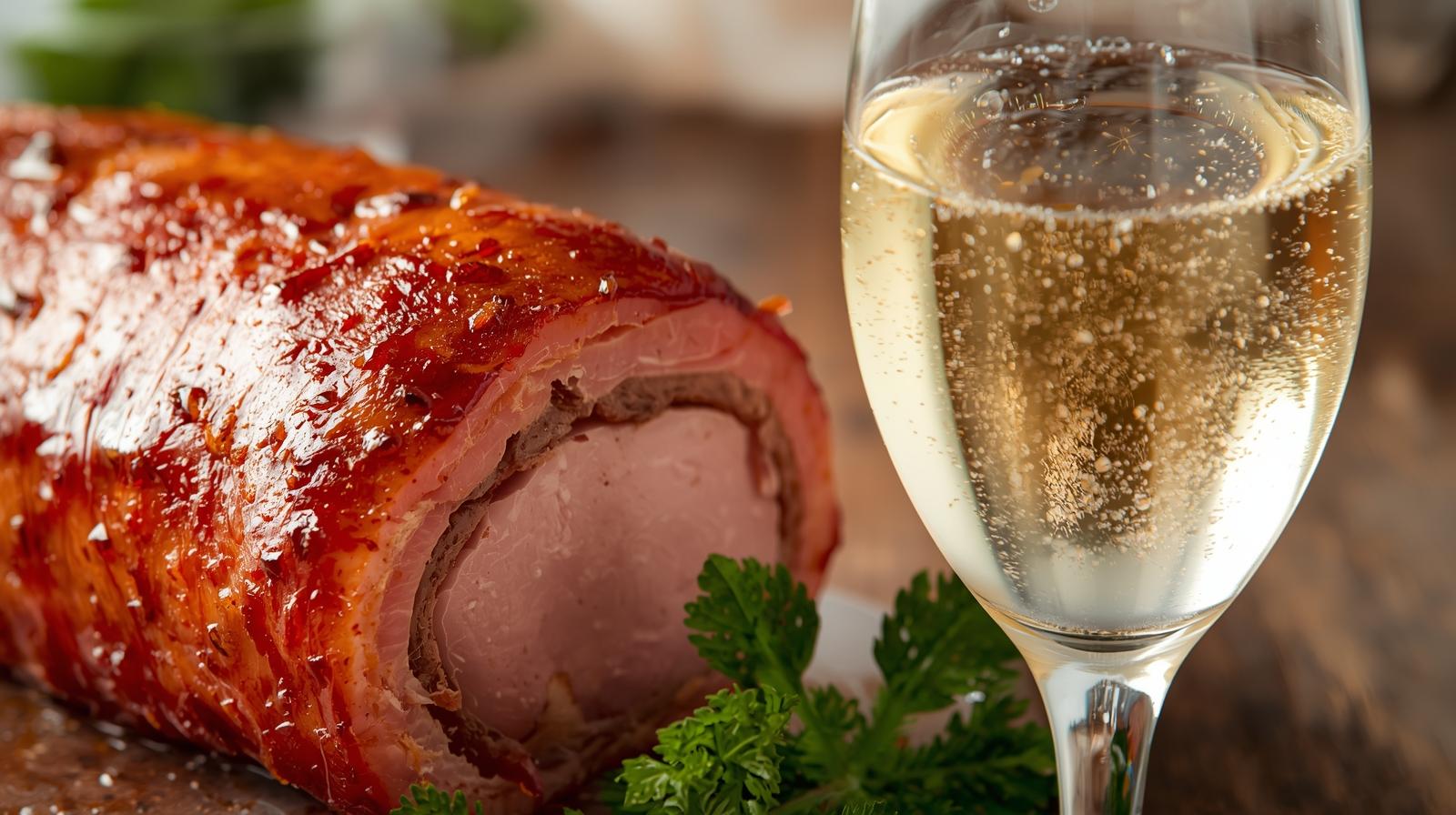
By day, Heartattack and Vine on Lygon Street functions as a cafe serving bocconcini rolls and almond croissants. As noon approaches, something shifts. The star emerges from the kitchen: what Melbourne locals have called the city’s most loyally loved porchetta roll. This isn’t hyperbole. This is a sandwich that inspires regulars to return weekly, that sells out on busy days, that has quietly built a cult following in Carlton without requiring social media campaigns or food blogger endorsements. The porchetta is freshly crackled in a searing oven, chunked up, and piled onto ciabatta bread with generous helpings of house-made salsa verde, with dollops of sambal and Dijon mustard provided for dipping. It’s the kind of dish that inspires repeat visits not through novelty but through consistent execution of a simple idea done exceptionally well.
The venue itself defies easy categorisation. Heartattack and Vine operates as cafe, wine bar, and neighbourhood institution simultaneously. Open from 8am serving specialty coffee, transitioning to lunch service centred on that porchetta roll, then shifting into evening mode with oysters, pickles, meatballs, and an impressive wine selection. This daily rhythm mirrors Carlton’s own energy: residential, artistic, food-focused, shaped by decades of Italian immigration and more recent waves of wine bar culture.
The Porchetta Itself: Why This Sandwich Works
Porchetta, the traditional Italian preparation of boneless pork roasted with herbs and spices, presents specific challenges when translated to sandwich format. The meat must be tender enough to bite through cleanly without the filling sliding out the back of the bread. The crackling must stay crispy despite being enclosed in bread. The flavours (typically fennel, rosemary, garlic, black pepper) need sufficient intensity to carry through when combined with bread and condiments.
Heartattack and Vine’s version addresses these challenges through careful preparation and smart component selection. The porchetta is seasoned in the traditional Italian manner, then slow-roasted until the interior becomes tender while the exterior develops that essential crackling. Just before service, portions go back into a searing oven to refresh the crackling’s crispness. This double-cooking technique ensures that even rolls made hours into lunch service maintain textural contrast rather than arriving with soggy skin.
The ciabatta provides the right structural foundation. Unlike softer rolls that compress and become dense when loaded with filling, ciabatta’s open crumb structure and sturdy crust can support substantial amounts of pork without collapsing. The bread’s mild flavour doesn’t compete with the porchetta’s seasoning.
The house-made salsa verde performs the crucial function of cutting through the pork’s richness. Traditional Italian salsa verde combines parsley, garlic, capers, anchovies, lemon juice or vinegar, and olive oil into a bright, punchy sauce that provides acid and herbaceous character. This isn’t decoration. It’s structural necessity. Without that acid component, porchetta’s fattiness would overwhelm the palate after a few bites. The salsa verde resets taste receptors between mouthfuls, allowing the sandwich to remain interesting from first bite to last.
The sambal and Dijon mustard offered for dipping extend this principle. Sambal brings heat and additional vinegar tang. Dijon contributes sharp mustard character and emulsified texture. Both condiments allow eaters to customise heat and acid levels according to preference, transforming the sandwich from fixed formula into interactive experience.
The Wine Question: What Actually Pairs With Porchetta
Heartattack and Vine’s identity as wine bar shapes how the porchetta functions within the broader menu. This isn’t merely a sandwich shop that happens to serve wine. It’s a wine-focused venue that uses food to enhance the drinking experience.
Porchetta presents interesting pairing challenges. The pork itself, being relatively fatty, demands wines with sufficient acidity to cut through richness. The herb seasoning (fennel, rosemary, garlic) adds aromatic complexity that can either harmonise with or clash against wine’s own aromatics. The crackling introduces textural crunch and intense salt, both of which dramatically affect wine perception.
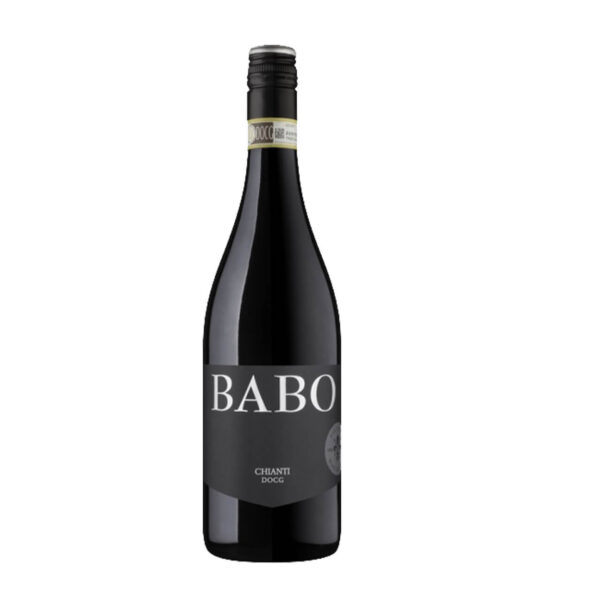
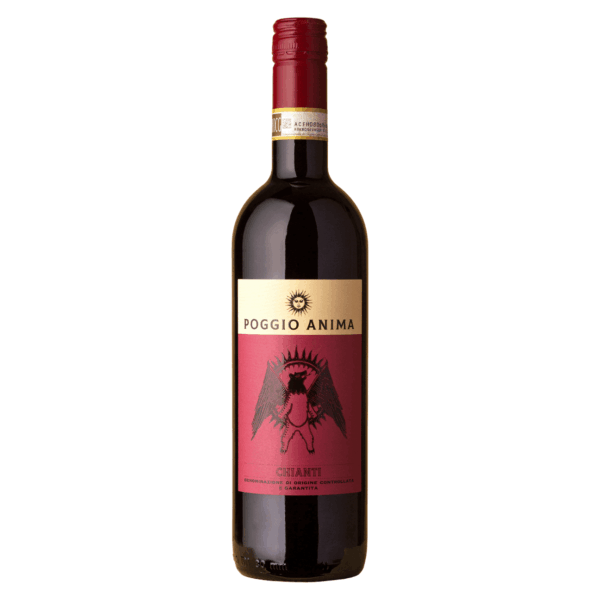
Traditional Italian wine pairing logic suggests Sangiovese-based wines. “A strong Chianti is a traditional pick, as its bright acidity and earthy notes work well with the rich, fatty layers of porchetta,” according to wine pairing analysis. The cherry and earthy flavours in Sangiovese complement the savoury and herbaceous notes in the pork while the wine’s acidity performs palate-cleansing duty. This represents the conservative, time-tested approach.
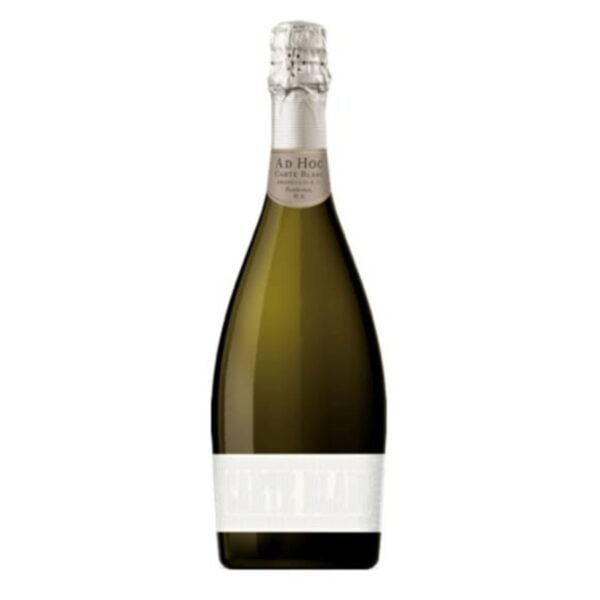
Yet Heartattack and Vine’s wine list extends beyond conventional Italian choices. The venue has recently refreshed its selection with Victorian, skin-contact, and natural wines alongside Italian classics. This diversity allows for more experimental pairings. A crisp Vermentino offers refreshing citrus and herbal notes that balance richness without red wine’s tannin structure. “For those who enjoy sparkling wines, a dry Prosecco has lively bubbles that clean the palate between bites,” notes pairing expertise, and this logic extends to any quality sparkling wine with sufficient acidity.
Skin-contact whites, increasingly popular in Melbourne’s wine bar scene, provide another option. These wines ferment with grape skins intact, developing tannic structure and darker colour while maintaining white wine’s essential freshness. The tannins in skin-contact wines interact with pork fat similarly to red wine tannins but without overwhelming the delicate seasoning.
The key variable determining pairing success involves matching wine intensity to the specific porchetta preparation. A heavily fennel-seasoned porchetta with aggressive crackling requires wines with corresponding intensity. A more delicately seasoned version allows lighter wines to shine.

 $29.75
/ bottle
$357.00 for a case of 12
$29.75
/ bottle
$357.00 for a case of 12
 $27.42
/ bottle
$329.00 for a case of 12
$27.42
/ bottle
$329.00 for a case of 12
Ricasoli Chianti Barone
Shipped by
Oatley Fine Wine Merchants
$27.42
/ bottle
$329.00 for a case of 12
 $25.92
/ bottle
$311.00 for a case of 12
$25.92
/ bottle
$311.00 for a case of 12
 357 pts
 $29.17
/ bottle
$175.00 for a case of 6
$29.17
/ bottle
$175.00 for a case of 6
Ad Hoc ‘Carte Blanc’ Prosecco NV
Shipped by
Oatley Fine Wine Merchants
$29.17
/ bottle
$175.00 for a case of 6

 $22.25
/ bottle
$267.00 for a case of 12
$22.25
/ bottle
$267.00 for a case of 12

 $24.58
/ bottle
$295.00 for a case of 12
$24.58
/ bottle
$295.00 for a case of 12
Carlton’s Food Culture: Why This Sandwich Matters Here
Heartattack and Vine’s success with porchetta reflects Carlton’s particular food culture, shaped by Italian immigration and evolving through subsequent generations. Carlton’s Lygon Street became Melbourne’s “Little Italy” through waves of Italian settlement following World War II. The area developed dense concentrations of Italian restaurants, cafes, delis, and specialty food shops serving both the Italian community and curious outsiders.
This heritage created expectations around Italian food quality that persist decades later. A Carlton venue serving Italian-inspired food faces scrutiny from customers who understand what authentic preparation looks like, who grew up eating their grandmothers’ versions of these dishes, who recognise shortcuts and compromises immediately.
Yet Carlton’s food culture has also evolved beyond strict authenticity. Modern Carlton accommodates experimental approaches, fusion concepts, and playful reinterpretations alongside traditional preparations. The neighbourhood’s proximity to Melbourne University and its resulting student population ensures constant turnover and exposure to new ideas.
Heartattack and Vine navigates this tension elegantly. The porchetta preparation respects Italian tradition: proper seasoning, correct cooking technique, appropriate bread selection. The execution doesn’t attempt innovation for its own sake. Yet the venue’s broader identity (the specialty coffee program, the natural wine focus, the evening cicchetti service) signals contemporary sensibility rather than nostalgic recreation of mid-century Italian cafe culture.
The porchetta roll functions as bridge between these approaches. It’s recognisably Italian, prepared correctly, appealing to customers seeking authentic flavours. Simultaneously, it’s served in a setting that attracts younger wine-focused customers who might not patronise traditional Italian restaurants but appreciate quality ingredients executed well.
The Economics of Cult Menu Items: Why Some Dishes Become Legends
The porchetta roll’s cult status raises practical questions about menu management and business strategy. Cult items drive traffic and build reputation but present operational challenges. They require consistent execution (impossible to disappoint customers who have built up expectations). They sell out (frustrating late-arriving customers). They overshadow other menu items (reducing diversity of what customers order). They become difficult to remove or modify (customer backlash when beloved items disappear).
For Heartattack and Vine, the porchetta roll serves multiple functions beyond direct profitability. It brings customers into the venue during lunch hours who might not otherwise visit. It creates word-of-mouth marketing as satisfied customers recommend the sandwich to friends. It establishes the venue’s credibility around food quality, lending authority to other menu items. It provides Instagram-worthy content without requiring the venue to engineer photogenic dishes artificially.
The roll’s availability only at lunchtime creates deliberate scarcity that reinforces cult status. This isn’t arbitrary constraint. Porchetta requires hours of preparation and benefits from being served relatively soon after cooking. Evening service focuses on different formats (cicchetti, shared plates, wine-focused pairings) that wouldn’t accommodate a substantial sandwich. By restricting availability, the venue signals that this dish requires specific conditions to execute properly rather than being something that can be ordered anytime.
The occasional sell-outs, while frustrating for late arrivals, paradoxically strengthen the roll’s reputation. Scarcity creates urgency. Customers arrive earlier to ensure availability. Missing out motivates return visits. The roll becomes something you plan around rather than something you assume will always be there.
The Practical Details: Actually Getting the Sandwich
Heartattack and Vine sits at 329 Lygon Street in Carlton, easily accessible via Melbourne’s tram network. The porchetta roll is available daily from noon, though exact timing can vary based on when the porchetta finishes cooking. As noted by regular customers, the roll often sells out on busy days, particularly Fridays and weekends. Arriving before 1pm increases chances of availability.
The venue also offers prawn rolls and occasionally meatball specials during lunch service, providing alternatives for those who don’t eat pork or who have already exhausted their porchetta enthusiasm. The evening shift into cicchetti service (Venetian-style tapas) positions Heartattack and Vine as convenient pre-Cinema Nova option, the arthouse cinema located directly across Lygon Street.
 Shiraz
 Cabernet Sauvignon
 Pinot Noir
 Grenache
 Merlot
 Red Wine Blends
 Chardonnay
 Riesling
 Pinot Gris
 Semillon
 Viognier
 Grenache Rosé
 Pinot Noir Rosé
 Shiraz Rosé
 Sangiovese Rosé
 Aglianico Rosé
 Clairette Rose
 Champagne
 Prosecco
 Sparkling Shiraz
 Blanc de Blanc
 Blanc de Noir
 Pet Nat
 Moscato
 Topaque
 Port
Port Sherry (dry & sweet)
 Muscat & Tokay
 Vermouth