 0473 644 098 · Mon–Fri 9am–5pm AESTHelp & FAQ


Portugal Drinks More Wine Than Anyone Else, and It’s Not Even Close

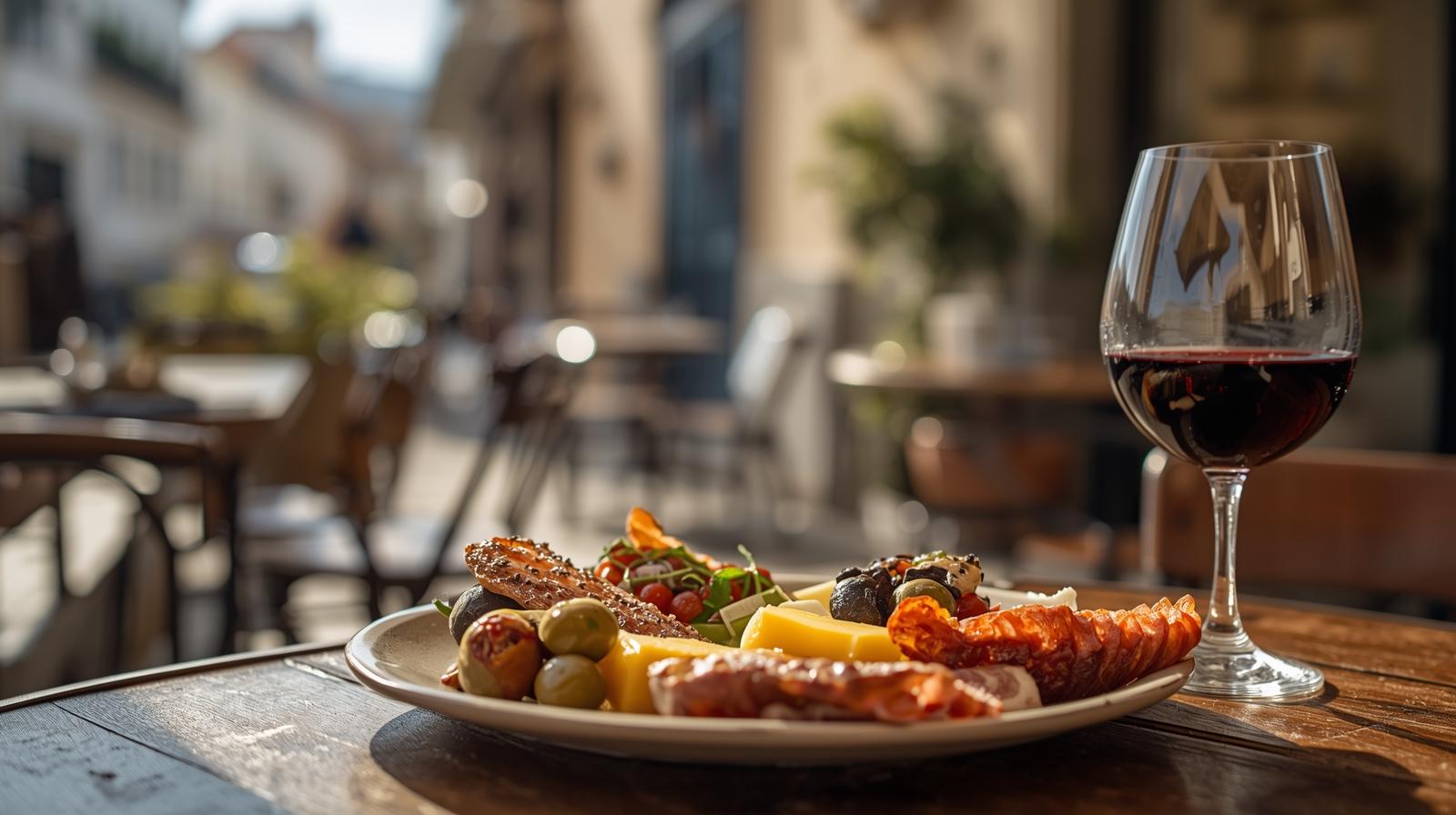
Wine consumption patterns reveal cultural priorities in ways few other statistics can match. Total volume matters for trade, for vineyard economics, for understanding global production flows. But consumption per capita strips away population size and exposes the relationship between a nation and wine itself. By this measure, Portugal stands alone, consuming 61.1 litres per person annually in 2024, nearly three times the global average and substantially ahead of every other wine-drinking nation on Earth.
This isn’t a marginal lead. Italy, in second place, consumes 42.7 litres per capita. France, despite its reputation as the world’s wine culture archetype, sits at 41.5 litres in third. The gap between Portugal and its closest competitors spans nearly 20 litres, enough wine to fill roughly 26 standard bottles. For a population of approximately 10 million people, this translates to extraordinary volumes of wine woven into daily life.
The League Table: Who Drinks What
The 2024 data from the International Organisation of Vine and Wine reveals a consumption hierarchy dominated almost entirely by Europe. Nine of the top ten wine-drinking nations sit on the European continent, reflecting centuries of viticultural tradition, cultural integration of wine into meals, and proximity to production regions.
| Rank | Country | Annual Wine Consumption Per Capita (Litres) |
|---|---|---|
| 1 | Portugal | 61.1 |
| 2 | Italy | 42.7 |
| 3 | France | 41.5 |
| 4 | Switzerland | 29.7 |
| 5 | Austria | 28.6 |
| 6 | Australia | 24.5 |
| 7 | Germany | 24.5 |
| 8 | Hungary | 24.4 |
| 9 | Spain | 23.8 |
| 10 | UK | 22.3 |
| 11 | Argentina | 21.6 |
| 12 | Netherlands | 20.7 |
| 13 | Romania | 18.7 |
| 14 | Canada | 13.7 |
| 15 | USA | 11.8 |
| 16 | South Africa | 9.2 |
| 17 | Russia | 6.8 |
| 18 | Japan | 2.8 |
| 19 | Brazil | 1.9 |
| 20 | China | 0.5 |
Australia’s presence at sixth place represents the sole non-European entry in the top ten, reflecting the country’s established wine culture and domestic production strength. The United States, despite being the world’s largest wine consumer by total volume (33.3 million hectolitres in 2024), ranks fifteenth on a per capita basis at just 11.8 litres annually. This gap between total consumption and per capita consumption reveals the difference between market size driven by population versus genuine cultural integration of wine into daily life.
Why Portugal Consumes So Much: History, Culture, and Economics
Portugal’s position at the top of this table isn’t accidental. The country’s relationship with wine stretches back millennia. The Phoenicians planted the first grapes in the 4th century BCE. Large-scale viticulture accelerated under Roman occupation in the 1st century BCE. By the medieval period, Portuguese wines were traded throughout Europe. Today, nearly 18,000 farms produce grapes across the country, and the Douro Valley has held UNESCO World Heritage status since 2001.
Yet historical precedent alone doesn’t explain consumption patterns. Portugal’s wine culture differs fundamentally from patterns in other major wine-drinking nations. “One of the biggest misperceptions about drinking in Portugal is that the culture revolves around heavy drinking or excessive consumption of alcohol,” explains wine educator Rita Santos. “In reality, drinking in Portugal is more about quality over quantity, particularly when it comes to wine. The Portuguese typically drink alcohol as part of a social or culinary experience, with a strong focus on pairing wine with meals.”
This meal-centric consumption pattern distributes wine drinking throughout the day rather than concentrating it in specific social occasions. Wine accompanies lunch and dinner as a matter of routine rather than special circumstance. The cultural expectation that wine belongs on the table alongside food normalises consumption in ways that differ from countries where wine functions primarily as a special-occasion beverage.
Economic factors reinforce these cultural patterns. Portugal remains a major wine producer, ranking eleventh globally with approximately 7 million hectolitres produced annually. Domestic wine is affordable and accessible. Local production means transportation costs stay minimal, and cultural familiarity with regional wines removes the intimidation factor that sometimes accompanies wine purchasing in countries with less established wine traditions.
The Estado Novo dictatorship, which governed Portugal until 1974, actively promoted wine consumption through state-supported campaigns. A famous propaganda slogan from the era declared: “Drinking wine is like giving bread to 1 million Portuguese.” This governmental support for the wine industry prioritised quantity over quality, creating oversupply that required domestic consumption to absorb. While modern Portuguese wine production has shifted dramatically toward quality, the consumption habits established during that era persist.
Europe’s Dominance: Why The Continent Drinks Differently
The table reveals Europe’s overwhelming dominance of per capita wine consumption. European Union countries consumed 103.6 million hectolitres in 2024, representing 48 percent of global wine consumption despite comprising only a fraction of world population. When non-EU European countries are included, the continent accounts for over half of all wine consumed globally.
This concentration reflects geography as much as culture. Proximity to production regions reduces costs, increases availability, and normalises consumption. In wine-producing countries like Portugal, Italy, France, and Spain, wine isn’t imported luxury but local product, priced accordingly and integrated into food culture across socioeconomic classes.
The average European consumes 28.7 litres of wine per capita annually, nearly triple the 10.8 litres consumed per capita in non-European countries. This gap has widened in recent years as wine consumption has declined in major non-European markets while remaining relatively stable in traditional European wine-drinking nations.
The China Question: Why The World’s Largest Market Ranks Last
China’s position at the bottom of this table, consuming just 0.5 litres per capita, presents a stark contrast with the country’s importance to global wine trade. By total volume, China consumed 5.5 million hectolitres in 2024, ranking tenth globally. The country represents a massive market for imported wine, particularly from France, Chile, and increasingly Australia following the March 2024 lifting of punitive tariffs.
Yet per capita consumption remains negligible because the denominator (population) dwarfs the numerator (consumption). With over 1.4 billion people, even substantial absolute consumption translates to minimal per capita figures. More significantly, wine remains a relatively new category in Chinese drinking culture, competing with traditional spirits like baijiu and facing cultural resistance in regions where alcohol consumption patterns differ fundamentally from Western norms.
The Chinese wine market has experienced dramatic volatility. Per capita consumption peaked around 2012, then declined substantially. Volume consumed in 2023 dropped nearly 25 percent compared to 2022. Yet the market is projected to reach $26.8 billion in retail sales by the end of 2024, with substantial growth forecast through 2028. This apparent contradiction reflects a shift toward premium wines consumed by affluent urban populations rather than mass-market adoption.
“China’s wine market exhibits a notable divide between in-home and out-of-home consumption,” according to market analysis. Restaurant and bar consumption generates substantially higher revenue than at-home consumption, suggesting wine functions primarily as status signalling in social settings rather than routine beverage choice. E-commerce has become crucial, with online platforms accounting for a growing share of sales and projected to represent 40 percent of the global alcohol e-commerce market by 2027.
The Chinese government’s five percent GDP growth target for 2024 and initiatives stimulating consumer spending offer positive prospects for wine industry growth. Yet even optimistic projections don’t suggest China will approach European per capita consumption levels. The cultural integration of wine into daily life that characterises Portugal, Italy, and France doesn’t exist in China and won’t emerge quickly despite market growth.
The American Anomaly: Largest Consumer, Modest Per Capita
The United States consumed 33.3 million hectolitres of wine in 2024, maintaining its position as the world’s largest wine consumer by total volume. Yet per capita consumption sits at just 11.8 litres annually, below Canada (13.7 litres) and substantially below any European nation in the top ten.
This pattern reflects American drinking culture’s fragmentation. Wine competes with beer and spirits across diverse regional preferences and demographic groups. In certain urban coastal markets (California, New York, Washington), wine consumption approaches European levels among specific demographics. But vast regions of the country consume minimal wine, preferring beer or spirits. The result is substantial total consumption distributed unevenly across a massive population.
American wine culture has matured dramatically over the past 50 years. Domestic production, particularly from California, Oregon, and Washington, has achieved quality levels that compete internationally. Wine education, retail sophistication, and restaurant wine programs have all improved substantially. Yet wine remains a discretionary luxury purchase for many Americans rather than routine beverage choice, limiting per capita growth despite market maturation.
Australia’s Position: The Southern Hemisphere Exception
Australia’s sixth-place ranking at 24.5 litres per capita represents the sole Southern Hemisphere entry in the top ten and the only non-European nation breaking into the upper ranks. This reflects a wine culture established through British colonial influence but developed independently through distinctive domestic production and evolving consumer preferences.
Australian wine production has grown from boutique industry to global force over the past 40 years. Regions like Barossa Valley, Margaret River, Hunter Valley, and Yarra Valley produce wines of international distinction. Domestic consumption has benefited from this production growth, with Australian wines dominating retail shelves and restaurant lists at accessible price points.
Yet even Australia’s relatively high per capita consumption trails European norms substantially. The 24.5 litres consumed annually per person in Australia represents roughly 40 percent of Portugal’s consumption level. Cultural differences explain much of this gap. Wine accompanies meals less routinely in Australia than in Mediterranean Europe. Competition from beer remains stronger. The relationship between wine and daily life, while established, doesn’t approach the depth found in Portugal, Italy, or France.
What Declining Global Consumption Reveals
The 2024 data shows global wine consumption fell 3.3 percent to 214 million hectolitres, the lowest level since 1961. This decline extends across major markets. France saw consumption drop 3.6 percent. The United States declined 5.8 percent. China fell 19 percent. Even stable markets like Italy managed only marginal growth (+0.1 percent).
These declines reflect changing drinking patterns, particularly among younger consumers who favour spirits, craft cocktails, and non-alcoholic alternatives over wine. Health consciousness, cultural shifts away from routine alcohol consumption, and competition from other beverage categories all contribute. The decline is most pronounced in countries where wine consumption was never deeply culturally embedded, suggesting that without strong cultural foundations, wine consumption remains vulnerable to changing preferences.
Portugal’s sustained high per capita consumption despite these global trends demonstrates the resilience of deeply established wine culture. When wine functions as routine part of meals rather than special-occasion luxury, consumption patterns prove more stable. The gap between Portugal and other nations may widen further as declining consumption elsewhere contrasts with Portugal’s cultural resistance to abandoning wine traditions.
 Shiraz
 Cabernet Sauvignon
 Pinot Noir
 Grenache
 Merlot
 Red Wine Blends
 Chardonnay
 Riesling
 Pinot Gris
 Semillon
 Viognier
 Grenache Rosé
 Pinot Noir Rosé
 Shiraz Rosé
 Sangiovese Rosé
 Aglianico Rosé
 Clairette Rose
 Champagne
 Prosecco
 Sparkling Shiraz
 Blanc de Blanc
 Blanc de Noir
 Pet Nat
 Moscato
 Topaque
 Port
Port Sherry (dry & sweet)
 Muscat & Tokay
 Vermouth