 0473 644 098 · Mon–Fri 9am–5pm AESTHelp & FAQ


Barbera, Chardonnay, Chianti, Dolcetto, Grenache, Pairing, Pinot Grigio, Pinot Noir, Prosecco, Red Wine, Rosé, Sauvignon Blanc, Shiraz, Sparkling Cuvee, Sparkling Wine, White Wine
Wine and Pizza – A Serious Look at Pairing Excellence

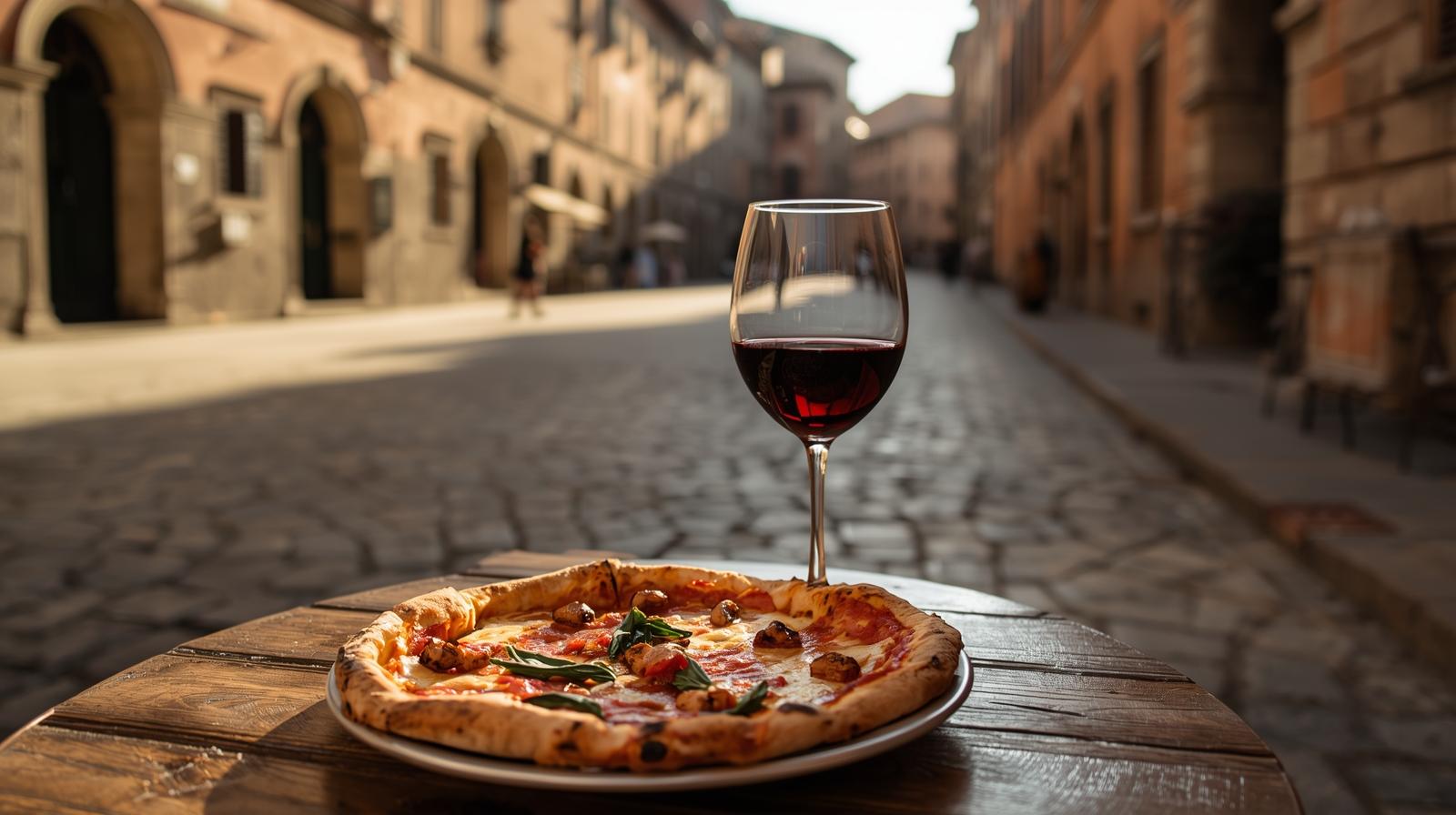
Pizza presents one of wine’s most rewarding pairing challenges. The category encompasses such remarkable diversity, from thin Roman-style bases to thick American deep-dish, from simple margherita to elaborate meat-laden creations, that genuinely suggesting “the perfect wine” requires understanding fundamental principles rather than following dogmatic rules.
The relationship between pizza and wine fundamentally differs from classical fine dining pairings. Pizza’s casual context creates space for genuine exploration without the pretension that sometimes clouds wine discussion. Yet understanding how specific wine characteristics work with pizza’s essential elements transforms casual meals into genuinely contemplative experiences.
The Tomato Question
Most pizza begins with tomato sauce, and this ingredient shapes wine selection more profoundly than anything else on the pizza. Tomato’s natural acidity creates a challenge for wines lacking sufficient acidity themselves. Low-acid wines taste flabby and flat alongside acidic preparations, losing brightness and appearing almost heavy.
High-acidity wines work beautifully with tomato because the wine’s acidity matches rather than conflicts with the sauce’s fundamental characteristics. This explains why Italian wines consistently work better with pizza than many alternatives. Centuries of Italian winemaking evolved directly alongside Italian cuisine, creating natural compatibility extending far beyond accident.
Herbal complexity matters considerably. Many pizza preparations include oregano, basil, garlic, and pepper. Wines showing herbal character work naturally with these flavourings, creating integrated combinations rather than clashing elements. This herbal dimension separates genuinely excellent pizza pairings from merely adequate ones.
Sweetness consideration matters more than many wine enthusiasts realise. Tomato contains natural sugars, particularly when cooked down slowly. Wines showing slight fruitiness without dry austerity often work better than aggressively austere expressions, particularly with sweeter sauce preparations. Understanding this nuance explains why certain wines that seem too simple on their own become genuinely compelling alongside pizza.
Simple Pizzas Demand Specific Wines
Margherita, simple vegetable preparations, and thin-crust expressions call for wines emphasising freshness and elegance rather than power or complexity. The principle here reflects genuine pairing logic rather than arbitrary preference.
Pinot Grigio represents the classic choice for light pizzas, particularly Italian expressions where the wine originated. The variety’s natural acidity, stone fruit character, and absence of heavy oak work effortlessly with simple tomato and cheese preparations. Yet not all Pinot Grigio works equally. Commercial mass-produced versions often lack the structure and complexity making genuinely excellent Pinot Grigio remarkable. Quality Italian Pinot Grigio from Friuli or Alto Adige shows particular aptitude here, offering mineral character and genuine complexity alongside brightness.
Vermentino and other Sardinian whites offer distinctive alternatives to mainstream Pinot Grigio. These wines show similar acidity and food-friendliness whilst offering greater complexity and mineral character. Sardinian Vermentino particularly deserves exploration for pizza pairing, offering bright acidity and subtle salinity complementing tomato beautifully. The wine’s distinctive character makes pizza feel like genuine occasion rather than casual consumption.
Sauvignon Blanc provides herbaceous character working naturally with oregano and basil-heavy preparations. The variety’s crisp acidity cuts through cheese richness whilst its herbal aromatics echo pizza’s herbal components. Wine expert Wanda Mann, who specialises in food and wine pairing, particularly endorses the relationship between bright acidity and cheese-heavy preparations, noting how “Prosecco is light and won’t weigh down your palate, making it a great match for a hearty slice.”
Light reds like Beaujolais or Valpolicella work surprisingly well with simple pizzas, particularly when served slightly cool at 13 to 14 degrees Celsius. These wines offer enough body to satisfy alongside savoury preparations whilst maintaining the acidity necessary for tomato sauce compatibility.
Meat-Heavy Pizzas Require Different Approach
Pizzas laden with sausage, pepperoni, bacon, or generous cheese require wines capable of standing alongside bold flavours and richer preparations. These pizzas demand more substantial wine without requiring heavy-handed tannin or excessive alcohol that would overwhelm the casual context.
Chianti offers the classic Italian pairing, particularly Chianti Classico from established producers. The wine’s natural acidity handles tomato sauce brilliantly whilst sufficient body complements meat toppings. Sangiovese’s characteristic spice and herbal notes work naturally with Italian sausage and Mediterranean herbs. Sommelier Helen Johannesen, beverage director at the acclaimed Los Angeles restaurant Jon & Vinny’s Italian, suggests pizza sets “a relaxed tone and pairings can work best if you pick a wine that isn’t trying too hard.” Her perspective emphasises that successful pizza pairing relies on simplicity rather than complexity.
Barbera shows particular aptitude here, offering high acidity, soft tannins, and fruit-forward character that prevents becoming heavy despite substantial food richness. Sommelier Pablo Ranea, a chef and wine specialist noted for food pairing expertise, observes that “the bubbles help to balance the richness of cheese, countering salt and fat while refreshing your palate for the next bite,” though this observation applies equally to Barbera’s natural brightness. Barbera’s peppery character complements spicy sausage beautifully, creating integrated flavour combinations rather than competing elements.
Valpolicella or Ripasso from the Veneto works exceptionally well with meat-heavy pizzas. Corvina’s natural softness combines with sufficient structure for food pairing. Ripasso’s increased concentration from contact with Amarone skins adds complexity balancing rich toppings without becoming too serious for casual entertaining.
Dolcetto deserves serious consideration for meat-laden pizzas, offering silky elegance alongside genuine food-pairing capability. The variety’s soft tannins and high acidity create wines neither overpowering delicate preparations nor disappearing alongside hearty toppings.
Spicy Pizzas Demand Sweetness
Pizzas featuring hot peppers, jalapeños, or aggressively spiced preparations require wines offering slight sweetness balancing heat. This principle reflects genuine chemistry rather than arbitrary preference. Wine alcohol actually intensifies spice perception, making high-alcohol wines problematic with genuinely hot preparations.
Off-dry Riesling provides remarkable pairing potential, particularly German or Alsatian expressions showing slight residual sugar. The wine’s natural sweetness cools heat perception whilst high acidity prevents the wine from becoming cloying. Riesling’s fruit-forward character complements rather than conflicts with spicy preparations, creating balanced combinations where neither element dominates.
Grenache or Garnacha offers spicy character working naturally with hot peppers alongside sufficient fruit sweetness balancing heat. The variety’s natural high alcohol (14 to 15.5% typically) actually complements rather than intensifies spice perception when paired thoughtfully.
Rosé wines often prove unexpectedly excellent with spicy pizzas. The style’s moderate alcohol, natural freshness, and often slight residual sugar combine creating balanced pairings where heat doesn’t overwhelm. Provence Rosé particularly deserves exploration for this context, offering sophistication alongside food versatility.
Vegetables Require Delicacy
Pizzas emphasising mushrooms, peppers, aubergine, or artichokes require wines capable of working with earthy or delicate elements without overwhelming subtle flavours. Heavy or aggressive wines dominate these preparations, diminishing rather than enhancing enjoyment.
Unoaked Chardonnay or other white wines avoiding heavy oak work beautifully with vegetable preparations. The wine’s clean character highlights rather than masks vegetable characteristics. Australian unoaked Chardonnay shows particular aptitude here, offering sufficient body without oak-driven heaviness.
Pinot Noir from cooler climates works surprisingly well with earthy mushroom pizzas. Jason Brooke, Manager at Zavino restaurant, notes: “The Pinot and mushrooms is just that perfect pairing, they both compliment each other with their earthiness and spice.” His observation captures the genuine synergy between the wine’s subtle earthiness and mushroom’s umami character. Light service at 13 to 15 degrees Celsius emphasises the wine’s elegance rather than allowing tannins to dominate.
Grüner Veltliner from Austria offers distinctive pairing potential with vegetable pizzas, particularly those featuring artichokes or asparagus. The variety’s peppery character and mineral expression work naturally with vegetable element whilst maintaining food-friendly approachability that suits casual entertaining.
The Temperature Question
Wine temperature affects pizza pairing considerably. Many enthusiasts serve pizza wines too warm, diminishing acidity and freshness that make these pairings successful. Room temperature represents the single worst approach for pizza wine selection.
Whites should serve at 10 to 12 degrees Celsius for maximum crispness and food-pairing effectiveness. Slight chill emphasises acidity necessary for tomato compatibility. Excessive chilling suppresses aromatics, yet insufficient chill allows the wine to become flabby.
Light reds benefit from modest chill at 13 to 15 degrees, particularly in warmer weather. This temperature range emphasises freshness and acidity rather than allowing wines to become heavy. Serving Beaujolais or Valpolicella too warm transforms these genuinely elegant wines into something flat and uninteresting.
The Regional Principle
Pizza pairing works most reliably when following regional logic. Italian pizzas pair naturally with Italian wines. Similarly, pizza influenced by regional traditions works beautifully with wines from those same regions. This isn’t arbitrary preference but reflects centuries of food and wine evolving together.
Pizza emerged as working-class food, created using whatever ingredients remained available after fine dining establishments claimed better materials. This humble origin means pizza traditions developed alongside everyday wines rather than celebrated expressions. Understanding this history explains why simple, direct wines often work better than complex, expensive alternatives. The pairings evolved together, creating genuine compatibility rather than forced relationships.
Professional Perspective on Sparkling Wine
Belinda Chang, sommelier and wine specialist, favours sparkling rosé for pizzas with salty or meaty toppings, such as arugula and prosciutto or sausage with green peppers and mushrooms. “The rosé’s fruitiness is essential to balance the bitterness of the toppings and complement the tomato sauce,” she explains. Her focus on balancing opposing elements reveals how sophisticated pizza pairing can become.
John Mitchell, beverage director at Toby’s South in South Carolina, prefers Franciacorta, an Italian bubbly made using the same method as Champagne. “It offers both richness and a fresh acidity, ensuring each sip refreshes your palate for the next slice.” His selection demonstrates that traditional methods extend beyond Champagne, offering distinctive alternatives suited to casual entertaining.
Pablo Ranea, chef and sommelier noted for innovative food pairing work, particularly emphasises Lambrusco’s potential: “It possesses the right balance of acidity, a hint of fruit, and enough structure to complement bold toppings like pepperoni or sausage. Plus, it adds an element of fun and surprise, exactly what a good pizza night should be.” His perspective captures how pizza pairing permits playfulness alongside genuine quality consideration, distinguishing it from more formal dining contexts.
Building Collections for Pizza Entertainment
Rather than seeking single perfect pizza wine, maintaining diverse selections allows pairing adjustments based on specific preparations and occasions. Understanding fundamental principles permits confident selection without requiring memorised lists.
Everyday staples including accessible Chianti, Barbera, and Pinot Grigio provide reliable foundations for casual entertaining. These wines work across diverse pizza preparations, ensuring satisfaction regardless of specific topping selections. Their approachability means enjoyment begins immediately rather than demanding ritual or assessment.
Quality expressions of the same varieties offer greater complexity and satisfaction for occasions warranting investment. Premium Chianti Classico or serious Barbera d’Alba elevate pizza experiences considerably compared to budget expressions. The investment proves worthwhile for regular entertaining, as better wines make casual meals genuinely contemplative rather than merely pleasant.
Pizza represents wine’s most democratic category, where casual enjoyment and genuine quality coexist without pretension. Understanding fundamental pairing principles permits confident selection across diverse preparations without requiring complicated knowledge or expensive bottles. The best pizza wines emphasise acidity, brightness, and food-compatibility over complexity or age. This simplicity makes pizza entertaining genuinely accessible whilst permitting exploration of wines that might seem too simple for other contexts. Understanding why specific wines work permits discovering preferences grounded in genuine pairing logic rather than arbitrary rules or marketing positioning.
 Shiraz
 Cabernet Sauvignon
 Pinot Noir
 Grenache
 Merlot
 Red Wine Blends
 Chardonnay
 Riesling
 Pinot Gris
 Semillon
 Viognier
 Grenache Rosé
 Pinot Noir Rosé
 Shiraz Rosé
 Sangiovese Rosé
 Aglianico Rosé
 Clairette Rose
 Champagne
 Prosecco
 Sparkling Shiraz
 Blanc de Blanc
 Blanc de Noir
 Pet Nat
 Moscato
 Topaque
 Port
Port Sherry (dry & sweet)
 Muscat & Tokay
 Vermouth