 0473 644 098 · Mon–Fri 9am–5pm AESTHelp & FAQ


How To Choose Prosecco Without Looking Like An Idiot

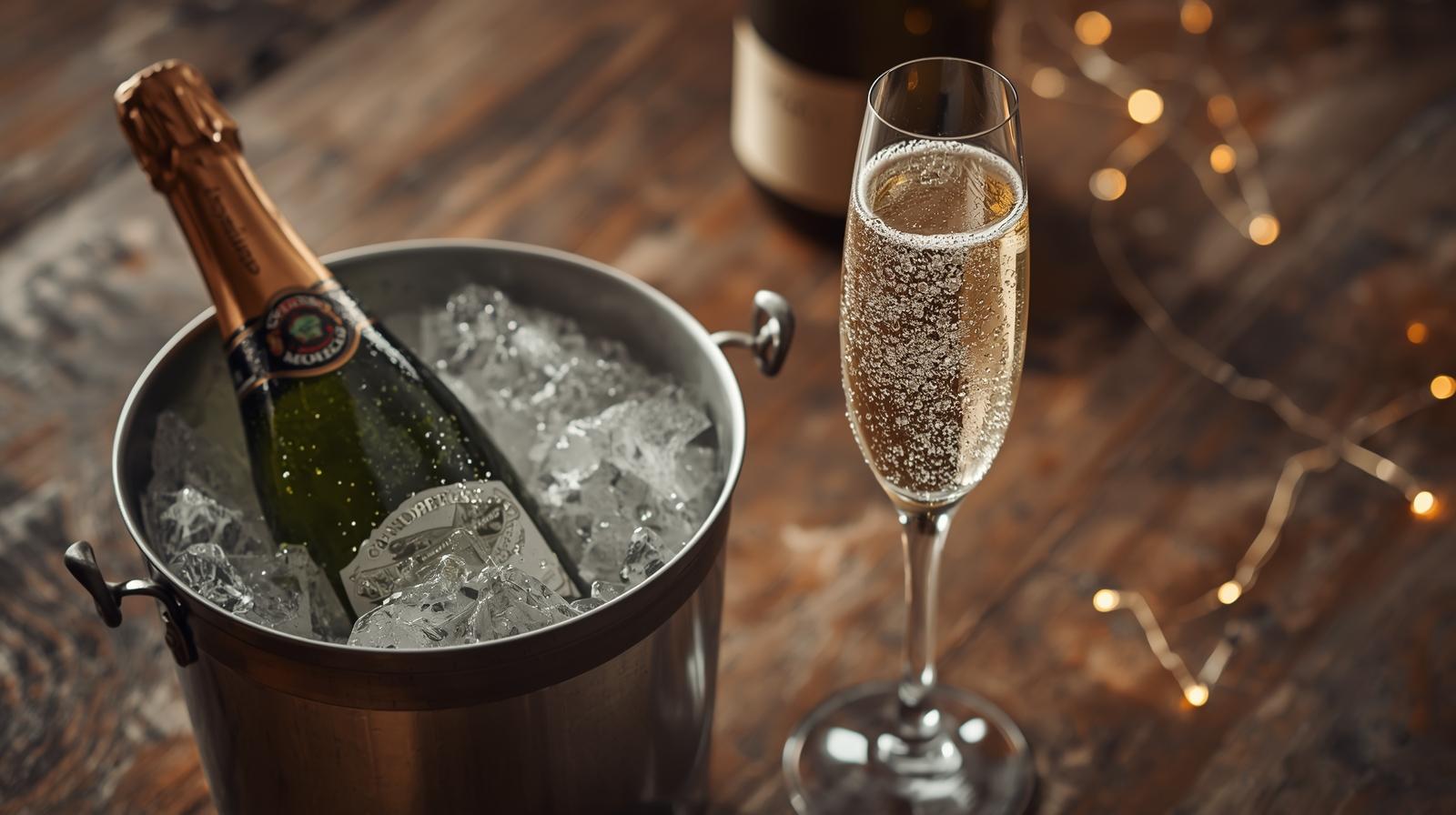
Walk into any bottle shop and watch people stare blankly at prosecco shelves. Everyone does it. Dozens of bottles looking basically identical. Prices ranging from twelve bucks to sixty. Labels throwing around DOC and Extra Dry and vintage years that might mean something important or might be complete marketing nonsense. Nobody knows what they’re buying until they open it at home and either feel satisfied or vaguely disappointed.
Wine shops won’t help because staff either overcomplicate everything with technical jargon or just point you toward whatever they’re trying to move. Online guides read like textbooks written by people who’ve never actually bought prosecco for a casual Saturday afternoon. Wine review sites obsess over regional distinctions and fermentation methods that matter to wine professionals but mean absolutely nothing when you just want bubbles that taste good without embarrassing yourself in front of guests.
This creates a weird situation where everyone drinks prosecco constantly yet nobody actually understands what makes one bottle better than another. People spend more time choosing coffee than selecting wine they’ll actually serve to people they care about. The result? Mediocre prosecco that disappoints, wasted money on bottles that don’t deliver proportional quality, and the vague sense that prosecco shopping requires expertise you simply don’t possess.
Here’s what actually matters when choosing prosecco. Not the stuff wine snobs obsess over. The practical distinctions that determine whether you waste money or walk out with something genuinely good.
Start By Figuring Out What You’re Actually Doing
Prosecco for mimosas operates completely differently than prosecco for impressing dinner guests. This seems obvious yet everyone skips this crucial step and just grabs whatever bottle looks appealing or costs least. Big mistake that guarantees either wasting money or serving something genuinely mediocre.
Making cocktails or casual weekday drinking? Buy something between fifteen and twenty dollars. Seriously. You’re mixing it with orange juice, fruit juice, liqueurs and who knows what else. Premium prosecco gets completely wasted here because nobody tastes the base wine underneath all those other flavors. Wine expert Jancis Robinson puts it bluntly: “There’s absolutely no point in using expensive wine for cocktails when the other ingredients completely overwhelm any subtlety.” She’s talking about all cocktails but prosecco specifically proves this point every single weekend across millions of households.
The fifteen to twenty dollar range gives you clean bubbles and adequate fruit without spending unnecessarily. Your friends won’t notice quality differences when mimosas contain more orange juice than wine anyway. Save money here specifically so you can spend appropriately elsewhere.
Having people over for dinner or casual entertaining? This is where prosecco selection actually matters. Step up to twenty-five to thirty-five dollars. Your wine choice becomes part of hospitality. It’s no longer invisible background element. It becomes conversation piece and hospitality statement. Cheap prosecco with harsh bubbles and excessive sweetness makes mediocre impressions. Guests notice. They might not articulate exactly what’s wrong but they definitely sense something’s off. Quality prosecco shows you care without requiring ridiculous spending.
This middle range is where you start noticing genuine quality differences. The bubbles feel smoother. The fruit tastes like actual fruit rather than generic sweetness. The wine refreshes without overwhelming palates. This pricing enables you to serve something genuinely good without apologizing or stretching your budget unnecessarily.
Celebrating something that actually matters? Birthdays, anniversaries, genuine milestones, promotions, important transitions warrant splurging into the forty to sixty dollar range. These occasions deserve wines people remember positively. These are memory-creation moments. Master Sommelier Laura Fiorvanti notes: “The bottles we remember decades later aren’t necessarily the most expensive, but they’re always the ones that matched the significance of the moment.”
When celebrating genuine milestones, that extra investment sends message to people important to you. You weren’t just grabbing whatever prosecco was convenient. You selected something specifically for this occasion because this moment mattered enough to deserve consideration.
Understanding your usage eliminates half the decision immediately. You’re not comparing every prosecco ever made. You’re comparing appropriate options within your specific situation. This clarity transforms shopping from overwhelming confusion into manageable decision.
Decoding Labels Without A Wine Degree
Wine labels exist primarily to confuse people who aren’t already experts. They use terminology designed to intimidate rather than clarify. Understanding what actually matters cuts through this nonsense.
Prosecco DOC means genuine Italian prosecco from defined regions, primarily Veneto. Real deal from where prosecco originated. These regions have centuries of prosecco tradition. Matters if you specifically value tradition and geographic authenticity. The DOC designation means Italian authorities verified the origin and basic production standards. It’s a guarantee of geography and basic quality thresholds, nothing more.
Australian Prosecco lacks DOC classification because it’s not Italian, obviously. Doesn’t mean inferior. Doesn’t mean less authentic. Often delivers better value than equivalent Italian quality. Australian wine critic James Halliday argues: “Geography matters less than viticulture and winemaking skill. Some of our best sparkling wines now come from regions nobody considered viable twenty years ago.” He’s right. Australia produces excellent prosecco increasingly matching or exceeding European quality at significantly better pricing.
Now comes the confusing part that everyone gets wrong. Wine sweetness designation might be the most counterintuitive naming convention in entire beverage world.
Extra Brut: Driest option available. Minimal residual sugar, usually under 6 grams per liter. Crisp and refreshing. Almost bone-dry sensation. Tastes like actual wine rather than flavored bubbles.
Brut: Contains slight sweetness but remains dry overall. Usually around 12 grams residual sugar per liter. Most popular designation globally. Works for basically everything. Aperitif. With food. Standalone celebration. This is prosecco’s sweet spot for versatility.
Extra Dry: This is where the naming becomes genuinely confusing. Contains MORE sugar than Brut despite sounding drier. Usually around 17-32 grams per liter. Noticeably sweet. Wine’s most counterintuitive naming convention. Seriously. Extra Dry contains more sugar than Brut. It makes no logical sense whatsoever yet this is the industry standard.
Dry: Even sweeter than Extra Dry. Roughly 32-50 grams per liter. Tastes quite sweet. Better for dessert pairing than aperitif or general entertaining.
Demi-Sec: Approaching dessert territory. Sweet wine for sweet courses.
Most people want Brut or Extra Brut for regular drinking and entertaining. These taste refreshing without cloying sweetness that becomes tiresome through extended consumption. Go for Extra Dry only if you genuinely prefer sweeter bubbles or specifically seek that profile. Many people discover they prefer Extra Brut after trying it, realizing dryness actually enhances refreshment rather than detracting from enjoyment.
Vintage vs NV (Non-Vintage): Vintage prosecco comes from single year harvest. Usually appears on label as year like “2021 Prosecco.” Vintage designation suggests producer confidence in that specific year’s quality. NV blends multiple years together creating consistent house style year after year. Neither designation proves automatically better than other. Both deliver quality when producers know what they’re doing. Vintage prosecco sometimes shows additional complexity from specific year conditions. NV prosecco guarantees consistency regardless of vintage variation.
Popular Prosecco
 $29.17
/ bottle
$175.00 for a case of 6
$29.17
/ bottle
$175.00 for a case of 6
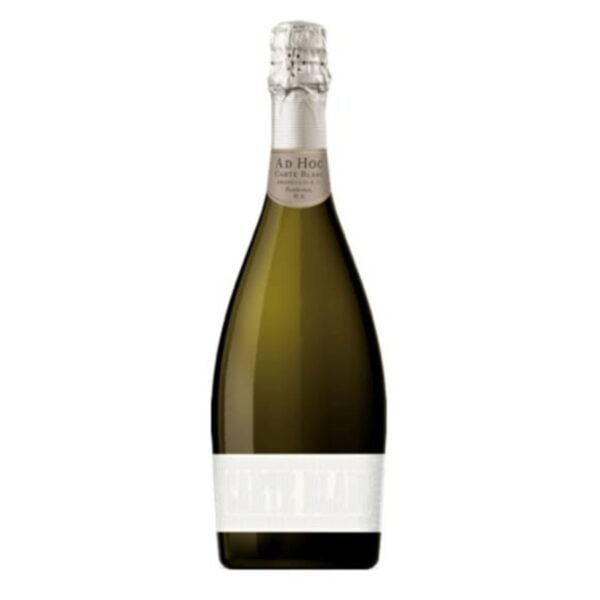
Ad Hoc ‘Carte Blanc’ Prosecco NV
Shipped by
Oatley Fine Wine Merchants
$29.17
/ bottle
$175.00 for a case of 6
 $22.25
/ bottle
$267.00 for a case of 12
$22.25
/ bottle
$267.00 for a case of 12
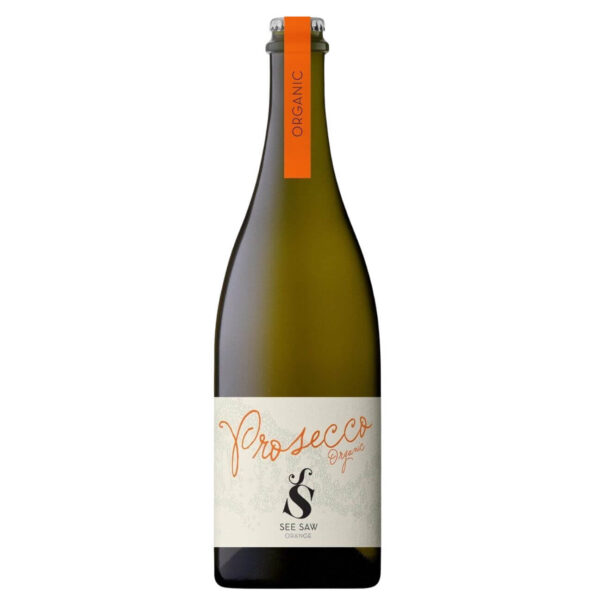 $24.58
/ bottle
$295.00 for a case of 12
$24.58
/ bottle
$295.00 for a case of 12
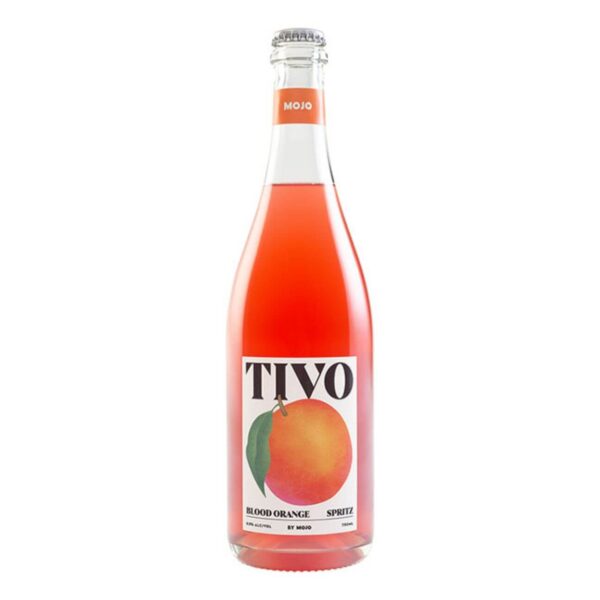 $19.50
/ bottle
$117.00 for a case of 6
$19.50
/ bottle
$117.00 for a case of 6
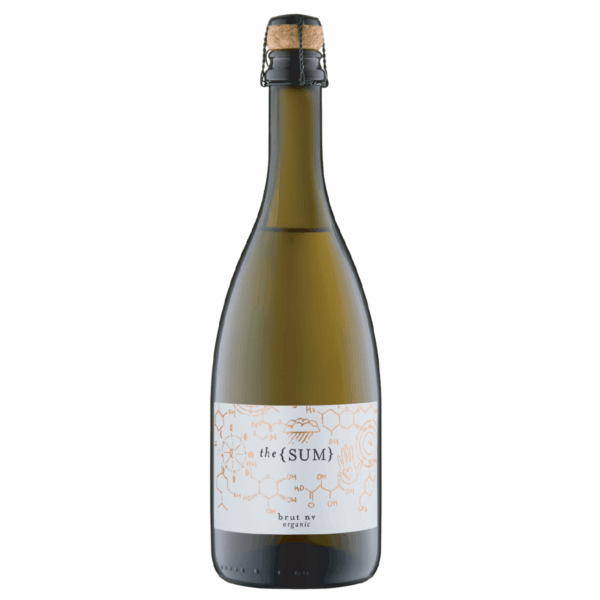 $21.67
/ bottle
$130.00 for a case of 6
$21.67
/ bottle
$130.00 for a case of 6
Castelli Estate The Sum Prosecco NV
Shipped by
Oatley Fine Wine Merchants
$21.67
/ bottle
$130.00 for a case of 6
 $7.63
/ bottle
$183.00 for a case of 24
$7.63
/ bottle
$183.00 for a case of 24
Aurelia Prosecco NV 200ml
Shipped by
Oatley Fine Wine Merchants
$7.63
/ bottle
$183.00 for a case of 24
 $26.08
/ bottle
$313.00 for a case of 12
$26.08
/ bottle
$313.00 for a case of 12
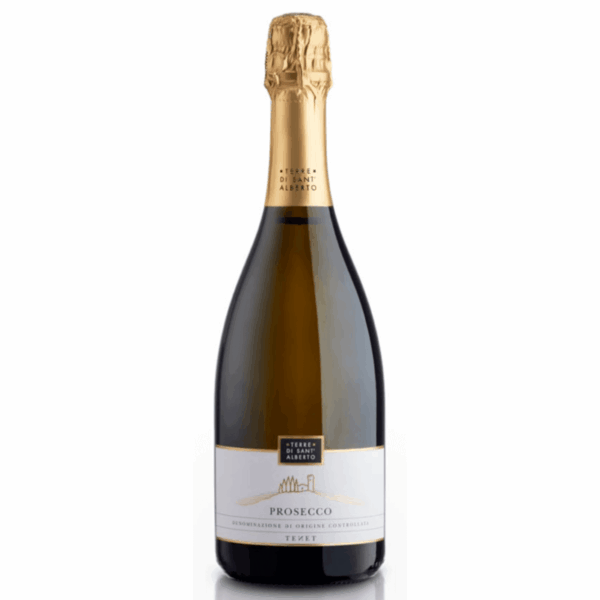
Terre Di Sant'Alberto Tenet Prosecco Brut D.O.C.
Shipped by
Gathered Wine
$26.08
/ bottle
$313.00 for a case of 12
 $25.33
/ bottle
$152.00 for a case of 6
$25.33
/ bottle
$152.00 for a case of 6
Cat out of the Bag Prosecco NV
Shipped by
Jack Rabbit Vineyard, The Bellarine VIC
$25.33
/ bottle
$152.00 for a case of 6
 $24.00
/ bottle
$144.00 for a case of 6
$24.00
/ bottle
$144.00 for a case of 6
 175 pts
 The Price Sweet Spot Nobody Mentions Publicly
Here’s what different price ranges actually deliver in real-world drinking experience.
Under $15: Usually disappoints significantly. Industrial production where volume matters infinitely more than quality. These proseccos prioritize cost efficiency. They achieve that through harsh bubble structure, excessive sugar covering poor fruit character, and chemical aftertaste that lingers unpleasantly. These bottles create strong negative impression suggesting that all prosecco tastes mediocre. That’s genuinely unfortunate because these cheap examples represent worst possible entry point to category.
Avoid this range unless you’re literally mixing into cocktails where wine quality becomes irrelevant anyway. Even then, stepping to fifteen dollars delivers noticeably better quality for minimal additional expense.
$15-$20: Fine for mixing into cocktails or super casual drinking where you’re not really paying attention. Clean enough bubbles. Acceptable fruit character. Adequate sweetness levels. Nothing special but nothing actively wrong or offensive. These proseccos work perfectly for weeknight mimosas or casual entertaining where wine quality isn’t primary focus. You’re not getting excited about the wine but you’re also not cringing when guests taste it.
$20-$35: Where actual quality lives. This range delivers noticeable and genuine improvement over lower price points. Finer bubble structure that feels elegant rather than harsh. Genuine fruit character coming through clearly. Pleasant finish that actually maintains interest rather than disappearing immediately. Best value for most entertaining situations. Wine economist Mike Veseth explains: “The quality curve for sparkling wine is steep between $15 and $30, then flattens dramatically. You get substantially better wine for modest additional investment, then diminishing returns beyond that point.”
This range represents prosecco shopping’s real sweet spot. You access genuinely good bottles without luxury pricing or unnecessary expense. Most successful entertaining happens in this price range because quality-to-value ratio proves unbeatable.
$35-$50: Premium territory where distinctions become subtle. Some bottles genuinely justify pricing through exceptional quality and genuine complexity. Others coast entirely on brand recognition and marketing positioning. Unless you know the specific producer or have tasted the wine previously, you’re gambling whether extra cost delivers proportional improvement. Sometimes it does. Sometimes you simply pay more for same drinking experience as thirty-dollar alternative.
$50+: Luxury positioning, genuine rarity, or producer prestige. Occasionally worth it for major celebrations or if you’ve already fallen for specific producer. Usually better spending this investment on champagne if you’re already in luxury sparkling territory. Champagne at sixty dollars often outperforms prosecco at same price point due to different production regulations and quality thresholds.
Here’s brutal honesty: The difference between twenty dollars and thirty dollars often proves massive. The difference between thirty and fifty rarely justifies the cost unless you’re genuinely into sparkling wine or marking something truly significant. Most drinkers struggle identifying fifty-dollar prosecco as proportionally better than thirty-dollar alternative in blind tasting scenarios.
Does Origin Actually Matter When Choosing
Italian prosecco carries traditional credentials and centuries of established reputation. Veneto region invented this wine format centuries ago. Thousands of excellent producers maintain those traditions across generations. Italian prosecco feels like the “authentic” choice. Yet plenty of mass-market Italian prosecco disappoints despite authentic geography. DOC designation guarantees origin and basic quality thresholds, not excellence.
Australian prosecco proves quality comes fundamentally from good fruit and proper technique rather than just location or traditional pedigree. South Australian and Victorian producers make genuinely excellent sparkling wine increasingly matching or exceeding European quality. King Valley especially produces prosecco that competes internationally against established Italian alternatives. Often delivers better value than equivalent Italian bottles at similar quality levels.
Wine writer and critic Huon Hooke puts it simply: “Judge the wine in your glass, not the map coordinates where it was grown. Some of the best value sparkling wine right now comes from producers nobody paid attention to five years ago.” This approach cuts through geographic bias and marketing mythology toward actual quality assessment.
Choose based on what you actually value. Want traditional prosecco from its historical homeland? Buy Italian prosecco from established Veneto producers. Want best quality for your money with contemporary approach? Compare both Italian and Australian options then choose based on taste and price rather than geography alone. Both can deliver genuine satisfaction when producers commit to quality.
How Much Should You Actually Buy
Single bottles make sense when testing unfamiliar producers, hosting small gatherings, or dealing with limited storage space. Gives you flexibility without commitment. You’re not stuck with case of something that disappoints. Purchasing individually enables ongoing exploration and experimentation.
Six-bottle cases work perfectly for regular prosecco drinkers or moderate entertaining situations. Most retailers discount cases creating actual meaningful savings compared to individual bottle pricing. Still manageable storage-wise fitting into standard wine racks. Makes sense when you’ve found something you genuinely like and want stock available.
Twelve-bottle cases suit serious entertainers, those hosting large gatherings regularly, or genuine prosecco enthusiasts. Maximum available discount from retailer case pricing. Requires dedicated storage space. Only smart strategy if you’ll actually drink everything within reasonable timeframe.
Important reality check that prosecco producers don’t emphasize: Prosecco doesn’t improve with age. It gets worse. Extended storage causes gradual oxidation and bubble dissipation. Prosecco tastes best within twelve months of production, ideally within first six months. Buy what you’ll actually consume within twelve months maximum. Buying excessive volume creates artificial pressure drinking wine before freshness disappears entirely, which defeats purpose of purchasing quality.
Making The Actual Decision
Simple process that actually works in real-world shopping scenarios:
Step One: Figure out your specific usage. Are you mixing cocktails? Entertaining guests? Marking major celebration?
Step Two: Set your realistic budget. Fifteen to twenty dollars for mixing. Twenty-five to thirty-five for entertaining. Forty to sixty for celebrations.
Step Three: Choose your preferred sweetness profile. Brut or Extra Brut for most situations. Extra Dry if you genuinely prefer sweeter bubbles.
Step Four: Italian or Australian based on preference for tradition versus value and contemporary approach.
Step Five: Buy appropriate quantity. Singles for testing unfamiliar producers. Cases when you’ve found reliable winners you’ll purchase repeatedly.
That’s it. You don’t need deep expertise in fermentation methods or complex understanding of regional terroir or ability assessing aging potential. You need the right bottle for what you’re actually doing with it and how you’ll feel about that choice afterward.
Why Getting This Right Actually Matters Beyond Just Drinking Wine
Bad prosecco ruins occasions through harsh bubbles, chemical aftertaste, cloying excessive sweetness. Guests definitely notice for wrong reasons even if they don’t explicitly mention it. The celebration feels somehow cheaper despite spending money on sparkling wine. There’s vague sense something’s off without clear articulation of what went wrong.
Decent prosecco does its job without drawing attention. Bubbles refresh appropriately. Creates suitable festive atmosphere. Nobody complains explicitly. Occasion feels suitably festive. The wine disappears into background supporting gathering rather than detracting from it.
Great prosecco elevates entire moments through genuine quality. Guests comment positively about wine itself. Celebration feels genuinely enhanced through proper wine choice. You feel good about what you served. People remember the gathering as genuinely pleasant partly because wine selection matched occasion appropriately.
Sommelier and wine educator Jennifer Huether explains the practical impact clearly: “The difference between disappointing prosecco and satisfying prosecco often costs just ten dollars more, yet that ten dollars completely changes guest experience and gathering atmosphere. Meanwhile the difference between satisfying and exceptional might cost forty dollars more with minimal perceptible improvement for most drinkers.”
That’s why the twenty to thirty-five dollar range makes genuine sense. You avoid poor quality that actively disappoints whilst accessing genuinely good bottles without luxury pricing that delivers marginal improvement. This range represents optimal value for most real-world entertaining situations.
The Truth About Prosecco Shopping Most People Never Learn
Most prosecco disappointment comes from one of two mistakes: buying too cheap creating genuinely poor experience, or overspending on bottles that don’t deliver proportional improvement over mid-range alternatives. The wine that costs twelve dollars usually tastes exactly like twelve dollars. The wine that costs sixty dollars rarely tastes four times better than something at thirty dollars.
The gap between poor and competent proves enormous. The gap between competent and excellent proves manageable and often requires only modest additional investment. Understanding this distinction transforms entire shopping approach.
Browse prosecco with this practical framework rather than hoping for expertise developing only through years of experience. These distinctions matter infinitely more than arcane details wine critics obsess over because they determine whether you walk out with something actually good for your specific situation.
The right bottle makes occasions feel genuinely celebratory. The wrong bottle wastes money on something nobody particularly enjoys yet everyone politely drinks because it’s there. Stop overpaying for marketing. Stop settling for industrial bubbles that disappoint. Choose appropriately based on actual usage, budget honestly, and enjoy prosecco that delivers genuine satisfaction.
 Shiraz
 Cabernet Sauvignon
 Pinot Noir
 Grenache
 Merlot
 Red Wine Blends
 Chardonnay
 Riesling
 Pinot Gris
 Semillon
 Viognier
 Grenache Rosé
 Pinot Noir Rosé
 Shiraz Rosé
 Sangiovese Rosé
 Aglianico Rosé
 Clairette Rose
 Champagne
 Prosecco
 Sparkling Shiraz
 Blanc de Blanc
 Blanc de Noir
 Pet Nat
 Moscato
 Topaque
 Port
Port Sherry (dry & sweet)
 Muscat & Tokay
 Vermouth