 0473 644 098 · Mon–Fri 9am–5pm AESTHelp & FAQ


Pokolbin and Hunter Valley – Australia’s Answer to Napa Valley Wines

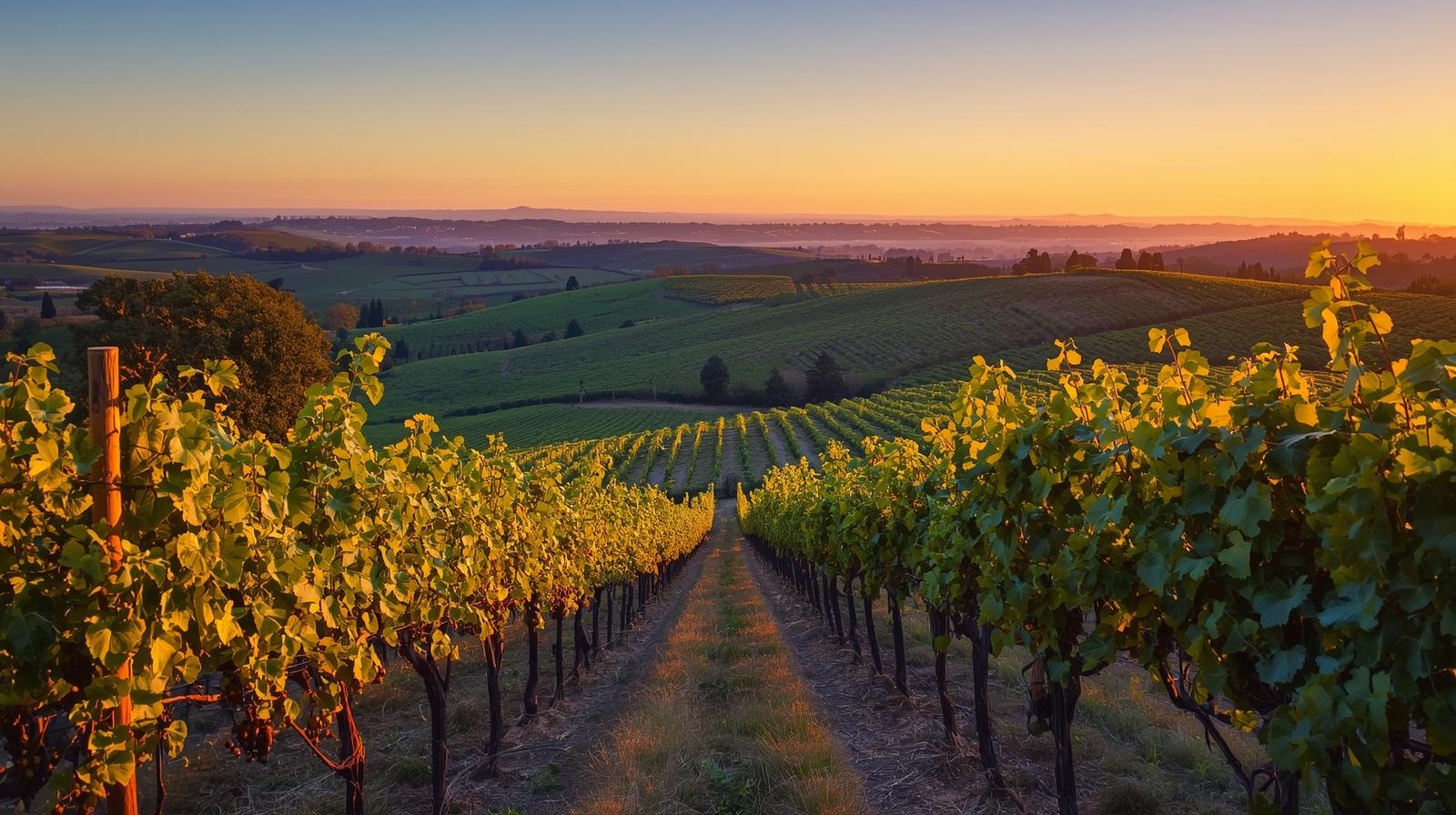
Australia has its own Napa Valley, though most international wine drinkers simply don’t recognise it as such. Pokolbin, nestled within the Hunter Valley of New South Wales just two hours north of Sydney, represents one of the world’s earliest wine regions, predating Napa’s commercial viticulture by decades. Whilst Napa spent the mid-twentieth century proving itself, the Hunter Valley had already been producing world-class wine for a century and a half. The valley sits as Australia’s second-oldest wine region, surpassed only by South Australia’s earliest ventures. Yet despite this extraordinary pedigree, Pokolbin and the Hunter Valley remain largely unknown outside Australia, overshadowed by Barossa Valley’s aggressive marketing and Napa’s Hollywood glamour.
James Halliday, Australia’s most authoritative wine voice, crystallises the Hunter Valley’s distinctive character perfectly. “The Pokolbin and lower Hunter regions represent a place where it is truly remarkable that so many excellent wines, notably Semillon and Shiraz, are produced to such a high standard with such regularity.” That consistency across decades, across multiple producers, and across vastly different styles speaks to something profound about the region’s terroir and winemaking culture.
The comparison between Pokolbin and Napa Valley proves remarkably apt. Both regions produce distinctive wines shaped by specific terroir. Both experienced periods of dormancy before renaissance through quality-focused producers. Both achieved international recognition through specific events or producers. Both now enjoy established prestige within wine culture yet remain accessible to casual tourists.
The Journey: From Colonial Experiment to Forgotten Treasure
Viticulture in the Hunter Valley began remarkably early. James Busby, Australia’s “father of viticulture,” arrived in the colony with vine cuttings from Europe and South America, including Syrah from the Hermitage region of France’s Rhône Valley. These weren’t experimental curiosities. Busby understood viticulture professionally and arrived with purpose. He introduced approximately 500 vine cuttings to the Australian colonies, establishing foundations that quite literally shaped the nation’s wine industry.
By 1840, the registered vineyard area in the Hunter Valley had expanded to over 500 acres. Wine families including the Drayton’s, Tyrrell’s, and Wilkinson’s established themselves during the mid to late 1800s, creating dynasties that remain central to Hunter viticulture today. By 1930, the Pokolbin area in particular earned recognition for crafting high-quality table wines during an era when fortified wine dominated Australian production.
Yet success proved fleeting. The Great Depression, subsequent war, and economic turmoil stalled expansion. By the 1960s, the Hunter Valley had faded into regional obscurity, producing decent if unremarkable wines for domestic consumption. Then Lake’s Folly appeared in 1963, considered the first new vineyard planted in the Hunter during the twentieth century and one of Australia’s first boutique wineries. Lake’s Folly sparked something profound. Other quality-focused producers followed, including the legendary Len Evans, who established Rothbury Estate in the 1970s and became wine’s greatest ambassador for the region.
Len Evans represented something rare: a man absolutely unwilling to tolerate mediocrity. Describing his vision for the region, Evans explained his philosophy with characteristic directness. “The importance of the life-long contribution of Leonard Paul Evans to the cause of wine can partly be gauged by his pursuit of excellence and his scathing dismissal of complacency and mediocrity, which he saw as the greatest danger to the Australian wine industry.” Evans literally reshaped Australian wine culture through sheer force of will and genuine belief in the Hunter Valley’s potential.
The influence proved transformative. Evans created the Len Evans Tutorial to identify and train the next generation of wine leaders. “At 71, I had time on my hands. I rang a few friends, to see if they would support a non-profit organisation. The idea was to seek out, each year, twelve gifted palates who could be further trained as show judges,” Evans recalled. This single decision influenced wine education and judging standards across Australia for decades.
Today, over 150 wineries operate across the Hunter Valley, with Pokolbin serving as the region’s spiritual and commercial centre. First Creek Wines recently won NSW’s best wine award for 2025 with their Single Vineyard Wills Hill Road Chardonnay, demonstrating the Hunter Valley’s continued excellence. “This drop stands alongside the best Chardonnays in Australia and one that captures all that is great about modern-day NSW Chardonnay,” according to wine chair judge Adam Walls.
The Terroir That Makes It Work
Pokolbin sits at latitude 32 to 33 degrees South, relatively wet compared to other Australian wine regions, with low variations between day and night temperatures. On paper, this shouldn’t produce quality wine. The warm, humid climate should create overripe grapes and soft, unfocused wines. Yet the Hunter Valley achieves something remarkable: it produces wines of remarkable refinement and complexity.
The secret lies in mesoclimate. Afternoon cloud cover and gentle ocean breezes rolling in from the coast temper otherwise prohibitively high temperatures and humidity. These cooling influences allow vines respite from the intense Australian sun, preserving acidity that would otherwise evaporate in warmer regions. This balance between warmth and cooling, between ripeness and freshness, creates the Hunter Valley’s distinctive character.
The soils compound this advantage. Rich, ancient loam combined with gentle slopes throughout the Pokolbin subregion provide excellent drainage and nutrient delivery. Volcanic influences from the Brokenback Range contribute mineral complexity that distinguishes Hunter wines from flabby, overripe expressions common in warmer regions.
The Distinctive Wines: Semillon and Shiraz Reign Supreme
The Hunter Valley produces distinctive wines that taste like nowhere else on Earth. Two varieties define the region: Semillon and Shiraz, each expressing Hunter Valley terroir with remarkable precision.
Hunter Valley Semillon represents Australia’s greatest achievement in dry white wine. As British wine critic Jancis Robinson noted, “Hunter semillons are one of Australia’s great gifts to the world. Lean and screeching of citrus when young, they develop into ample and toasty wines after a decade or more, despite being often picked at under 11 percent alcohol and receiving no oak treatment.”
Young Semillon tastes almost austere, with vegetal undertones that intimidate casual drinkers. Yet this apparent harshness masks something profound. Aged ten to fifteen years, the wines develop toasty, honeyed complexity that contradicts their initial austerity. Legendary wine writer Huon Hooke describes the transformation perfectly. “Light, bright yellow colour with a malty, almond meal-like bouquet that overlies the lemony varietal notes. The palate is similar: light-bodied, soft and rounded, with mild personality but refreshing acidity on the back-palate and finish. Good drinking. Generous fruit.”
Tyrrell’s produces Hunter’s most iconic Semillon through their Vat 1, which has won nearly 5,500 medals and over 330 trophies throughout its history. The current release represents extraordinary value, delivering genuine quality at AU$30-50 pricing.
Hunter Valley Shiraz displays different character than warmer-climate Australian Shiraz. The wines show medium body, refined tannins, and distinctive peppery, spicy character alongside dark cherry and plum fruit. James Halliday consistently awards serious Hunter Shiraz ratings approaching 95 points, noting qualities including “incredible length” and wines that “will live comfortably for decades and encapsulate a stellar vintage.”
Brokenwood established itself through sophisticated Shiraz and Chardonnay, earning critical acclaim for demonstrating that Hunter Valley Semillon and Shiraz needn’t age for decades to achieve excellence. The winery’s Graveyard Shiraz remains among Australia’s most celebrated wines, proving that contemporary Pokolbin viticulture delivers immediate satisfaction alongside aging potential.
The Pokolbin Subregion: The Heart of Everything
Pokolbin occupies the southern valley and foothills of the Brokenback Range, representing the epicentre of Hunter Valley viticulture. The parish covers approximately the area where the earliest successful vineyards established themselves, creating continuity stretching back nearly two centuries. Wine has been produced in Pokolbin since the 1830s, with tourism featuring prominently since the 1860s, making the region one of the world’s earliest wine tourist destinations.
The Pokolbin Parish Association, established in 2010, deliberately echoes the Pokolbin District Vignerators Association created in 1901. That original association provided critical resources for winemakers regarding soil, climate, vine management, and winemaking styles. Modern wine organisations continue this mission, ensuring Pokolbin viticulture remains grounded in community, tradition, and collective advancement.
Pokolbin’s charm lies partially in its accessibility. Located just two hours north of Sydney, the region welcomes casual tourists alongside serious collectors. Over 150 cellar doors now operate throughout the Hunter Valley, with the majority concentrated in or near Pokolbin. The combination of wine, accommodation, dining, and entertainment options makes the region genuinely welcoming for visitors seeking wine education without pretension.
Why Pokolbin Mirrors Napa’s Story
The parallel between Pokolbin and Napa Valley extends beyond mere geography. Both regions experienced similar trajectories. Early success led to periods of decline, followed by deliberate quality-focused reinvention. Both achieved international recognition through specific events or producers. Both now enjoy established prestige within wine culture yet remain accessible to casual tourists.
The crucial difference lies in scale and international recognition. Napa Valley receives millions of visitors annually, commanding global attention and premium pricing. Pokolbin welcomes significantly fewer international visitors, meaning serious quality often remains vastly underpriced compared to equivalent Californian or European expressions.
Where Napa Cabernet commands AU$100-plus for entry-level quality, Hunter Shiraz and Semillon deliver equivalent or superior quality at AU$30-50. This pricing disparity reflects perception rather than objective quality assessment. A serious collector recognising Semillon’s aging potential and Shiraz’s complexity will find extraordinary value in Pokolbin.
Getting Started With Pokolbin and Hunter Valley
Begin with Tyrrell’s Vat 1 Semillon to understand Hunter Semillon’s baseline character and remarkable value. Progress toward aged bottles from the 1990s or earlier to experience the dramatic transformation that occurs over years and decades. Explore Mount Pleasant, Brokenwood, and other established producers to discover stylistic diversity within the region.
Visit Pokolbin if possible. Two hours from Sydney makes it easily accessible for weekend exploration. The rolling vineyard landscape, casual hospitality, and genuine welcome create something Napa Valley no longer offers: wine tourism without excessive commercialisation.
Finally, recognise Pokolbin’s place in wine history. The region helped establish viticulture across the entire Southern Hemisphere. Busby’s vine cuttings, preserved in Hunter Valley soil whilst European vineyards succumbed to phylloxera, quite literally saved winemaking traditions from extinction. This historical significance deserves recognition and celebration.
Pokolbin may never achieve Napa’s international prestige or Hollywood glamour. That absence represents a genuine advantage. Here exists serious wine, genuine terroir expression, and authentic wine culture developing according to regional characteristics rather than marketing imperatives. For astute collectors and serious wine drinkers, that represents something increasingly rare and genuinely valuable.
 Shiraz
 Cabernet Sauvignon
 Pinot Noir
 Grenache
 Merlot
 Red Wine Blends
 Chardonnay
 Riesling
 Pinot Gris
 Semillon
 Viognier
 Grenache Rosé
 Pinot Noir Rosé
 Shiraz Rosé
 Sangiovese Rosé
 Aglianico Rosé
 Clairette Rose
 Champagne
 Prosecco
 Sparkling Shiraz
 Blanc de Blanc
 Blanc de Noir
 Pet Nat
 Moscato
 Topaque
 Port
Port Sherry (dry & sweet)
 Muscat & Tokay
 Vermouth