 0473 644 098 · Mon–Fri 9am–5pm AESTHelp & FAQ


Riesling Wine Grapes – The World’s Most Misunderstood Varietal

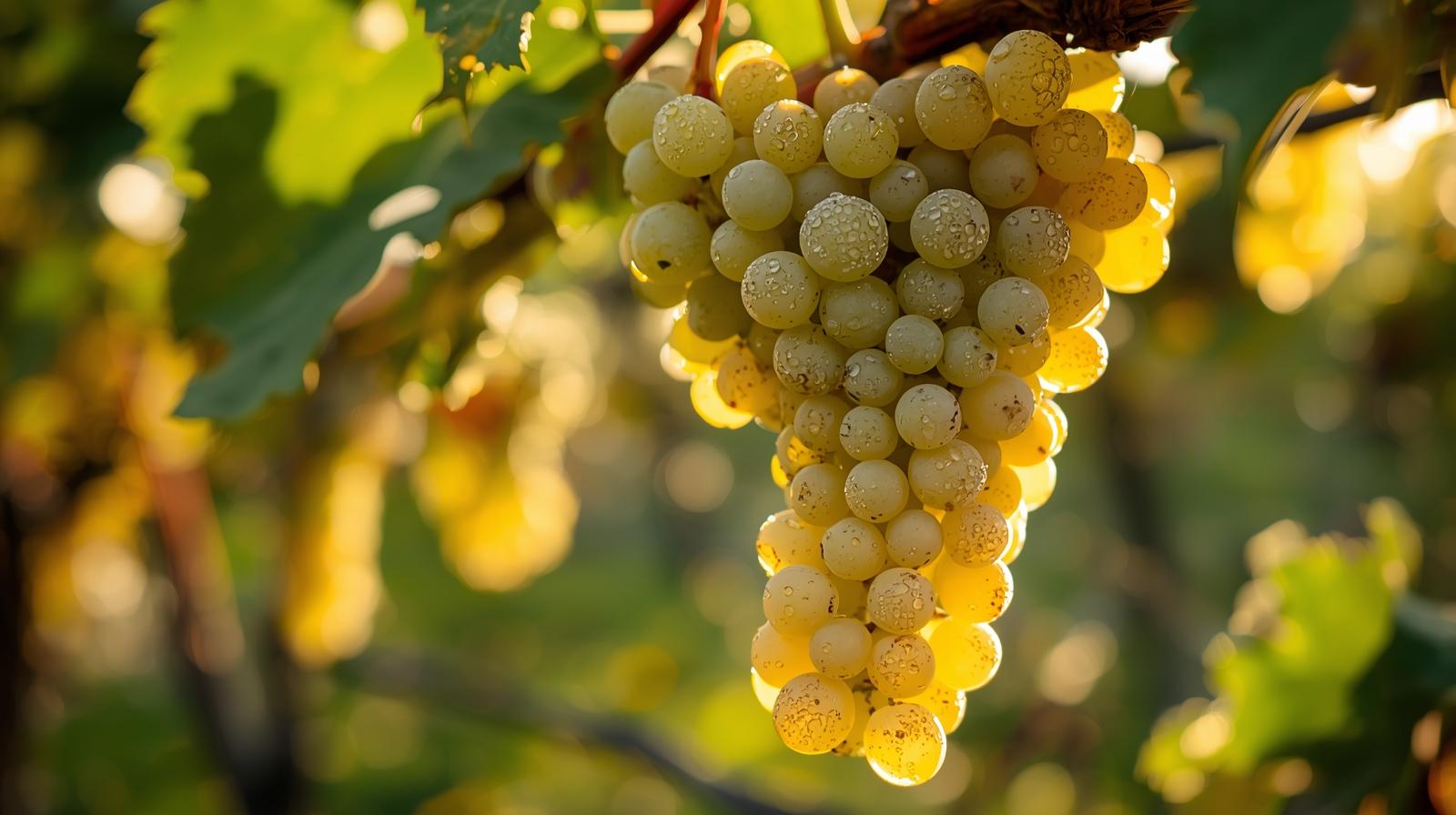
Riesling carries an unfair reputation. The mere mention of the variety triggers assumptions about sweetness, commercial mediocrity, and lack of seriousness. This perception represents perhaps wine’s greatest injustice. The reality encompasses something far more complex: Riesling stands among the world’s three greatest white wine varieties alongside Chardonnay and Sauvignon Blanc. It produces wines ranging from bone-dry mineral expressions to luscious dessert statements. It ages gracefully for decades, developing complexity that few other varieties achieve. It expresses terroir with such precision that experienced tasters can identify specific vineyards blindfolded. Riesling represents everything exciting about wine, yet remains persistently misunderstood.
The Grape’s Ancient Origins and Evolution
The earliest documented evidence of Riesling cultivation dates to March 13, 1435, when Count Katzenelnbogen’s cellar steward Klaus Kleinfish recorded purchasing six Riesling vines for 22 solidi in Ruesselsheim, Germany. While other regions claim earlier connections, this transaction stands as the first written proof of Riesling’s existence.
DNA analysis conducted by Austrian scientist Ferdinand Regner in 2006 revealed Riesling’s genetic origins more clearly. The grape emerged from spontaneous crossing between Traminer and an indigenous Rhine Valley wild grape. Later, it crossed naturally with Weisser Heunisch (Gouais Blanc in French), acquiring the disease resistance, vitality, and acidity that define modern Riesling. This genetic heritage explains the variety’s remarkable hardiness, late ripening, and characteristically high natural acidity that distinguishes it from virtually every other white wine variety.
The name’s origin remains debated. Some suggest derivation from “Verrieseln” (couluring in German) while others propose “reißende Säure” (lurid acidity in German). The second explanation seems more likely given the grape’s defining characteristic: aggressive, food-friendly acidity that characterizes all Riesling regardless of sweetness level or region.
The Grape’s Physical Characteristics
Riesling vines are frost-resistant with medium-late budbreak and medium-strong upright growth. The variety ripens late, an essential characteristic for quality production. Late ripening allows extended hang time, developing greater complexity and flavour intensity while retaining natural acidity that remains essential to Riesling’s identity.
The berries themselves are small to medium-sized, densely berried, and green-yellow when unripe, turning yellow-brown on the sunny side when fully ripe. The grapes taste juicy, fruity, tart, and aromatic-sweet when fully ripe, displaying the multifaceted character that translates into finished wine.
High drought tolerance and excellent wood maturity make Riesling relatively easy to farm compared to fussier varieties. Yet sensitivity to esca and stem diseases requires careful vineyard management to maintain health. The ease of cultivation belies Riesling’s complexity in the cellar, where winemakers face critical choices about sweetness levels and fermentation management.
The Terroir Expression: Why Geography Matters
Riesling ranks among viticulture’s most terroir-expressive varieties, meaning character depends profoundly on geographical origin. The same grape in different locations produces remarkably distinct wines that experienced tasters recognize immediately.
In cool regions like Germany’s Mosel Valley, Riesling displays green apple, tree fruit notes, and pronounced acidity sometimes balanced by residual sugar. As a late-ripening variety, Riesling in warmer regions like Alsace, the Palatinate, and parts of Austria develops citrus and peach notes with greater ripeness. In Australia, particularly Clare Valley and Eden Valley, Riesling exhibits a characteristic lime note that emerges consistently across quality producers.
This geographical sensitivity makes Riesling simultaneously one of the easiest varieties to identify and one of the most regionally distinctive. Blind tasting demonstrates this reality vividly. Once you recognize Clare Valley lime or Eden Valley florals, those characteristics become unmistakable across vintages and producers.
Australian Riesling: The Lime Connection
Australia produces world-class Riesling from multiple regions, with Clare Valley and Eden Valley representing the acknowledged benchmarks. Both regions received early settlement and viticultural development during the 1840s when German and Austrian settlers arrived with extensive wine experience.
Clare Valley earned James Halliday’s assessment as the “monarch of Australia’s Riesling regions.” Edward Gleeson, the first mayor of Clare who named the township after his Irish birthplace, imported vines from the Cape and planted 500 on his own farm by the late 1840s. Austrian Jesuits at Sevenhill established sacramental wine production, initially from Clare Riesling (Crouchen) but later transitioning to true Riesling.
Great Clare Valley Riesling displays citrus dominance, most notably lime and lemon with hints of grapefruit and crisp apple notes. A wet-stone minerality often appears alongside occasional tropical hints. Florals characterize virtually all examples to varying degrees. Aging produces glorious toasty character reminiscent of fresh toast slathered with lemon butter, developing depth, balance, intensity, and remarkable persistence.
Eden Valley, despite its name, functions as a distinct geographical area only since the 1950s. The region enjoys higher altitude than neighbouring Barossa and cooler climate than Clare, producing Riesling that tends toward delicacy and austere character with finer, more steely backbone. Florals (notably white flowers) and intense limes morph through cellaring into honey on toast and gentle orange-marmalade notes through what seems like pure magic.
Eden Valley boasts some of the planet’s oldest continuously producing Riesling vines. Senior Penfolds winemaker Kym Schroeter describes Eden Valley hallmarks as “florals, spring flowers and rose petal perfumes along with wet-stone minerality due to rocky/shaley soils.” Schroeter notes that “Eden Valley is also much more elegant than Clare with stronger, more pronounced acidity, mostly due to elevation up to 550 meters giving cooler late afternoons.”
The Sweetness Spectrum: Decoding Riesling Styles
Misconception about Riesling sweetness persists despite modern reality showing most Rieslings produced today are actually dry or off-dry. The natural acidity balanced against residual sugar creates wines of exceptional freshness and complexity across all sweetness levels.
Winemakers control Riesling sweetness primarily through two factors. Residual sugar refers to natural grape sugar remaining after fermentation concludes. Fermentation choices determine when fermentation stops, either early to retain sugar for sweetness or completed for dryness.
The easiest way to determine Riesling sweetness involves checking alcohol content. Dry Rieslings contain 12% ABV or higher because more grape sugar converted to alcohol. Sweet Rieslings typically measure 8% to 10% ABV because fermentation stopped early, leaving sugar unconverted.
Dry Riesling (marked “Trocken” on German labels) contains minimal residual sugar, displaying bright, zesty acidity with green apple, lime, grapefruit, and delicate floral notes. The mouthfeel proves crisp and refreshing with mineral qualities. Alcohol content ranges 12% to 14% ABV.
Off-dry Riesling (known as “Halbtrocken” on German labels) balances slight sweetness with acidity, offering neither overwhelmingly sweet nor completely dry expression. This style represents modern Riesling’s mainstream approach, particularly for quality producers seeking food compatibility without excessive residual sugar.
Sweet Riesling styles include German classifications of increasing sweetness intensity. Kabinett offers crisp acidity, green apple, citrus and delicate floral notes working beautifully as aperitif or with light seafood. Spätlese (late harvest) provides ripe stone fruit, honeyed tones and tropical notes with balanced acidity pairing well with spicy foods and soft cheeses. Auslese delivers dried apricot, honey and caramelized apple with deep complexity pairing excellently with rich desserts and strong cheese. Beerenauslese presents intense honey, dried fruit, candied peel and exotic spice enjoying either standalone or with strong cheese and fruit desserts. Trockenbeerenauslese represents the richest, most concentrated German Riesling offering intensely ripe dried stone fruit. Eiswein (ice wine) provides pure fruit intensity with fine balance between sweetness and crisp acidity.
Tasting Riesling: The Flavour Journey
Riesling displays the “kaleidoscopic brilliance” that distinguishes it from virtually every other variety. Winemaking style, region, and vintage profoundly influence characteristics and taste profiles.
Dry Rieslings emphasize minerality and fruit precision. The wines taste steely and austere, demanding appreciation for delicate complexity rather than obvious fruit. German examples showcase this approach, with high-altitude and low-yielding vineyards producing intense, penetrating wines that demand contemplation rather than casual sipping.
Sweet Rieslings emphasize balance between concentrated fruit sweetness and acidity that prevents cloying character. The finest examples achieve almost impossible tension between sugar and acid, creating wines that taste simultaneously sweet and refreshing. This tension explains why well-made sweet Riesling appeals even to those preferring dry wines.
Off-dry Rieslings occupy the middle ground, offering accessibility alongside sufficient complexity to reward serious attention. Modern quality producers increasingly favour this middle path as the sweet spot between drinkability and genuine wine character.
Aging Potential and Development
Riesling possesses exceptional longevity unmatched by most white wine varieties. Well-made examples from favourable vintages develop gracefully for decades, acquiring complex characteristics that distinguish aged Riesling from young expression.
Young Riesling emphasizes primary fruit characters: citrus, stone fruit, tropical notes depending on region and style. The wines taste fresh, vibrant, and immediately approachable, often better drunk young than aged given their delicate primary aromatics.
Aged dry Riesling develops “petrol” or kerosene notes resulting from TDN (1,1,6-trimethyl-1,2-dihydronaphthalene) compound development. Simultaneously, the wines acquire honey and toast characteristics, developing secondary complexity that rewrites their fundamental character. Fifteen-year-old German Riesling tastes completely different from its youth, displaying minerality and complexity that young bottles cannot match.
Aged sweet Riesling develops marmalade, honey, and caramel characteristics, deepening and concentrating in ways that justify decades of cellaring. Some examples remain fresh and vibrant after 30 to 40 years, testament to acidity’s preservative power.
Food Pairing Versatility
Riesling’s combination of acidity and fruit makes it extraordinarily food-friendly across wide range of cuisines and preparations. Dry Rieslings pair beautifully with oysters, sashimi, shellfish, and delicate fish preparations where high acidity and minerality provide accompaniment without overwhelming delicate protein. Grilled chicken, fresh salads, and vegetarian dishes all work excellently with dry Riesling’s refreshing character.
Sweet Rieslings prove exceptional with spicy Asian cuisine where residual sugar balances heat while acidity refreshes between bites. Indian curries, Thai preparations, and Sichuan dishes represent ideal pairings for sweet Riesling where sweetness cuts spice while acidity prevents cloying character. Blue cheese and fruit-based desserts showcase sweet Riesling’s complexity.
Off-dry Riesling represents perhaps the most versatile food wine category, working with Asian cuisine, mild cheese, light seafood, and even white meat preparations where its balanced sweetness and acidity accommodate varied flavours.
The Misconception: Why Riesling Deserves Better
The persistent belief that Riesling means sweet represents perhaps wine’s most successful marketing failure. Years of inexpensive bulk imports and discount supermarket positioning created associations between the variety and poor quality. Commercial producers cut corners, emphasizing obvious fruitiness and residual sweetness rather than balance and complexity that characterize quality Riesling.
Contemporary quality producers have largely abandoned this approach. World-class Riesling now comes dry, challenging drinkers to recognize that the variety’s true greatness emerges through elegant restraint rather than obvious sweetness.
Australian Riesling particularly benefits from this recalibration. Clare Valley and Eden Valley have spent decades establishing that Australian Riesling stands confidently alongside world’s finest expressions. The characteristic lime note remains distinctive, immediately recognizable, and thoroughly unique to Australian production.
Riesling isn’t the afterthought white wine variety. It represents white wine’s greatest expression of terroir, vintage character, and winemaker philosophy. Whether you prefer dry minerality or complex sweetness, young vibrancy or aged complexity, Riesling offers something genuinely compelling. Understanding the grape means recognizing one of viticulture’s most remarkable achievements.
 Shiraz
 Cabernet Sauvignon
 Pinot Noir
 Grenache
 Merlot
 Red Wine Blends
 Chardonnay
 Riesling
 Pinot Gris
 Semillon
 Viognier
 Grenache Rosé
 Pinot Noir Rosé
 Shiraz Rosé
 Sangiovese Rosé
 Aglianico Rosé
 Clairette Rose
 Champagne
 Prosecco
 Sparkling Shiraz
 Blanc de Blanc
 Blanc de Noir
 Pet Nat
 Moscato
 Topaque
 Port
Port Sherry (dry & sweet)
 Muscat & Tokay
 Vermouth