 0473 644 098 · Mon–Fri 9am–5pm AESTHelp & FAQ


Australian Fiano Wine – How an Ancient Italian White Became Australia’s Summer Sip

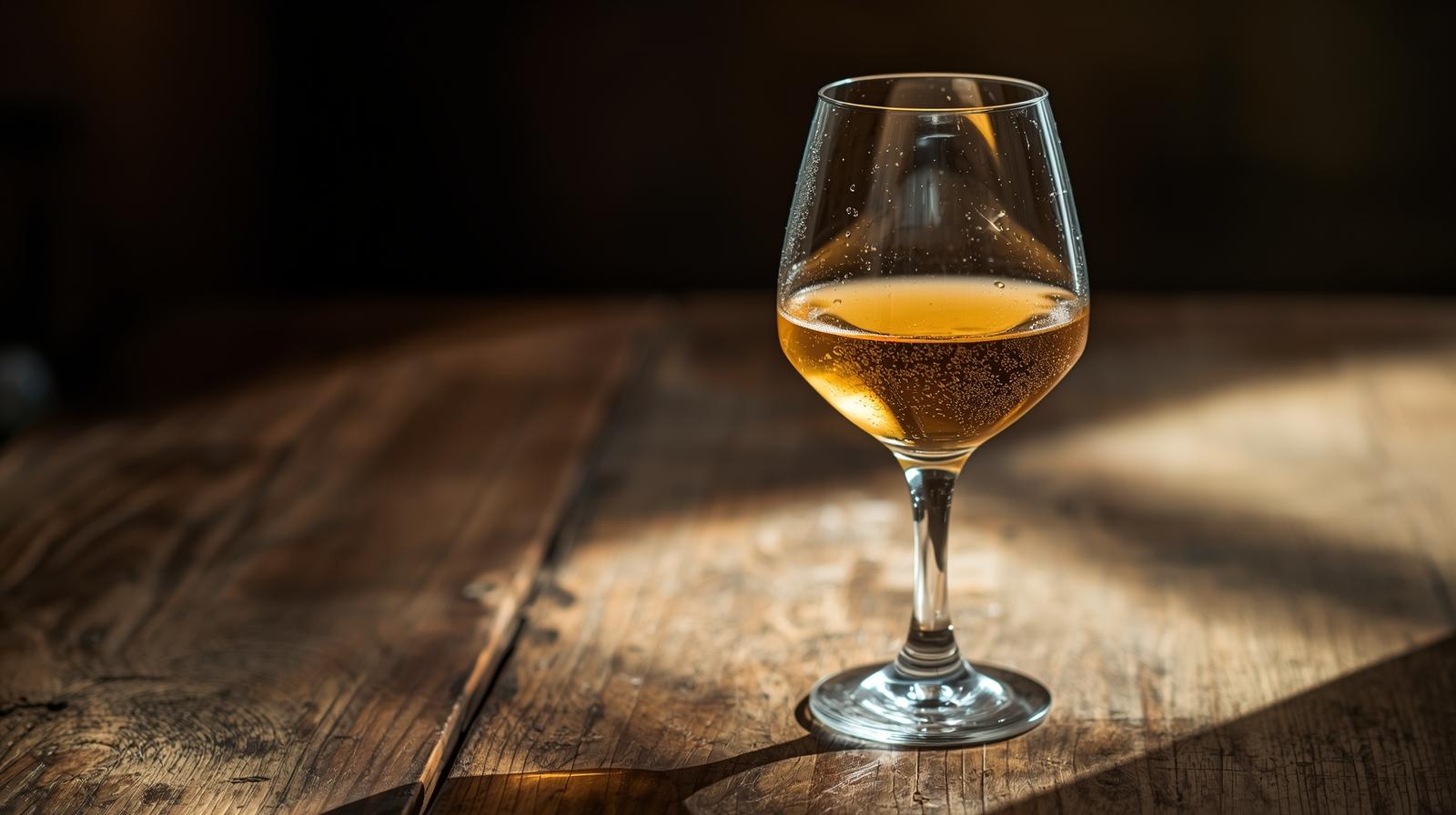
Fiano has gone from complete obscurity to mainstream recognition in Australian wine faster than any varietal in recent memory. The ancient Italian white, originating from Campania’s Avellino region near Naples, arrived in Australia almost fifty years ago yet remained largely invisible until two decades ago. Today, over 70 Australian producers craft Fiano, making the country home to more plantings outside Italy itself. The variety has become so significant that Corrina Wright, winemaker at Oliver’s Taranga, declared 2025 International Fiano Day, declaring her intention that the wine “will no longer be considered an alternative variety” within five years.
This isn’t hype. The numbers support the assertion. According to Wine Australia, Fiano saw an 86 percent increase in tonnes crushed compared to the prior year, climbing from niche curiosity to genuine mainstream alternative. More remarkably, major retailers like Dan Murphy’s now dedicate shelf space to Fiano sections, signalling the variety has crossed from specialist interest into broad consumer awareness.
“Fiano is surging in popularity across Australia right now, with both producers and consumers falling in love with the white Italian variety,” notes the Halliday Wine Companion’s assessment. The reasoning becomes obvious upon first tasting: Fiano offers precisely what modern wine drinkers increasingly seek. The variety delivers textural sophistication without pretension, food compatibility without sacrifice of complexity, and aging potential without requiring fifteen years’ patience.
The Australian Fiano Journey: From Obscurity to Essential
The story begins with remarkable fortune. The CSIRO imported the first Fiano vines to Australia in 1978, the same year Fiano di Avellino received official DOCG status in Italy. For two decades, this material sat dormant, dismissed as experimental curiosity. Mark Lloyd at Coriole discovered Fiano at Vinitaly in 2000 and recognized its potential for McLaren Vale. He sourced cuttings from the CSIRO’s rare vine collection, avoiding the five to six-year quarantine delay that would have hampered other importation attempts.
“After discovering the variety at Vinitaly in 2000, our general manager Mark Lloyd decided it would be a great fit for McLaren Vale,” Coriole’s historical notes explain. “Fortunately there were two vines already in Australia in a rare vine collection, had this not being the case the journey would’ve taken another 5 or 6 years to import the cuttings and the associated quarantine requirements.”
The first Australian Fiano vines were commercially planted by Coriole in 2001, with both Coriole and Kim Chalmers releasing Australia’s first varietal Fianos from the 2005 vintage. Chalmers had imported a different clone, the VCR3, directly from Italy, which became the standard for new plantings due to its smaller fruit with greater intensity of flavour.
Corrina Wright joined the Fiano story around 2004 when she began seeking alternatives to Chardonnay at Oliver’s Taranga. “We’d tried chardonnay, but it ripens too early in McLaren Vale. It gets a bit tropical, and the acid falls out. It’s hard to make a fine wine from it here,” she explained. When Chalmers offered some Fiano cuttings, Wright immediately grasped the variety’s potential. “It’s drought tolerant, heat tolerant, holds onto its acidity, it has nice thick skins. It ticks all the boxes.”
Two hectares were planted in 2004. Today, Oliver’s Taranga cultivates around 10 hectares of Fiano, representing approximately 10 percent of their vineyard. Wright, who led McLaren Vale’s first-ever Fiano Day celebration in October 2025, earned the affectionate title “Queen of Fiano” through two decades of unwavering commitment to the variety.
The Award-Winning Wines
Oliver’s Taranga Small Batch Fiano 2025: Trophy Winner
Wright’s 2024 Oliver’s Taranga Fiano claimed the trophy at the 2025 McLaren Vale Wine Show, affirming her continued leadership in the category. “We were very thrilled to receive a trophy for our 2024 Oliver’s Taranga Fiano at the McLaren Vale Wine Show,” the producer noted. The wine displays “pear skin, lemon pith, elderflower, white pepper” on the nose, leading to a palate that is “creamy and pithy all at once” with “golden delicious, juicy peach, preserved lemon, textural purity and length.”
The 2025 vintage, sourced from five estate blocks aged six to 21 years, underwent pressing mainly to steel with about 15% in concrete eggs and 10% in second and third-use French oak. The wine showcases “gin and lime notes, cashew nut, triple cream cheese, savory tropical and wet stone. Bright and zesty, cut lime continues on the palate which has a super creamy and nutty texture. Very varietal and delicious.”
Available at AU$177 for a six-bottle case, the Oliver’s Taranga Small Batch Fiano demonstrates exceptional quality-to-price ratios. Decanter awarded the 2016 vintage 90 points, noting “rich, round and textured, with waxy orange peel and citrus pith balanced by a fresh acidity.”
S.C. Pannell Fi Fi Fiano 2025: The Premium Expression
Stephen Pannell, two-time Jimmy Watson Trophy winner and three-time Alternative Varietals Wine Show champion, brought his acclaimed winemaking philosophy to Fiano with the Fi Fi bottling, named after his wife Fiona. The wine showcases Pannell’s signature commitment to “picking early due to better viticulture,” allowing the fruit to reach phenolic ripeness before excessive sugar accumulation.
Fruit sourced from Block 10 Oliver’s Vineyard in McLaren Vale and Hunt Vineyard in Tatachilla undergoes separate pressing and cold settling. The 2025 vintage saw the Hunt vineyard harvested on February 23 and Oliver’s vineyard on March 1, with the two components blended post-fermentation. Fermentation began in stainless steel, with 75% completed in five-year-old oak, then matured for eight weeks on lees in larger format oak.
The resulting wine displays “white nectarine, jasmine tea, pink grapefruit, makrut lime, white currant and elderflower,” evolving into “guava mingles with green papaya while elderflower flirts with Kaffir lime.” Pannell describes the wine as “textural and fresh with a precise, elegant finish.” The 2024 vintage contains 6.8g/L acidity and 13% alcohol, exemplifying Pannell’s philosophy that early picking preserves acidity without sacrificing ripeness.
Available at AU$366 for a 12-bottle case, the Fi Fi represents serious investment in quality Australian Fiano.
Chalmers Fiano 2022 Heathcote: The Regional Alternative
The Chalmers family, responsible for importing the VCR3 clone that dominates Australian plantings, produces Fiano in Heathcote that demonstrates the variety’s adaptability beyond McLaren Vale. “The high acid, bold flavoured Campanian grape Fiano has really found it’s second home in Australia, especially in Heathcote where it regularly outshines the traditional wine varieties,” notes one industry assessment.
“The top tier wine of the Chalmers whites, Fiano has shone since day one in both Chalmers vineyards and has really made its home in Heathcote proving that the famous Cambrian soil is just a special for what it imparts to whites as it does to reds,” the producer explains. The 2021 vintage won Best White Wine at the 2022 Heathcote Wine Show, earning the Viv Victa Trophy.
Chalmers Fiano always includes a portion of wood in the winemaking, incorporating one large 2000-litre chestnut botte and old French oak barrels. The wine is bottle aged before release to help emphasize the natural beeswax texture of the variety. “For those with patience, it will reward them tenfold as it ages with aplomb taking on characters not too dissimilar to the great white wines from Burgundy,” the winemaker notes.
The 2022 vintage showed “generosity and richness,” with “autumn spice, wood sorrel, pine needle and almond meal characters.” The wine is “textural, poised, and drives all those lovely morish flavours right to the back palate and then lingers.” At AU$215 for a six-bottle case, the Chalmers Fiano offers serious quality at reasonable pricing.
Unico Zelo Birdwood Fiano 2023: Oak-Aged Excellence
Unico Zelo’s premium Birdwood Fiano represents a bold departure from typical Australian Fiano production through significant oak aging. “We’ve always wanted to be known for making the greatest Fiano in Australia,” the producers explain, “and some may argue that’s true, but we internally still have a carrot to chase to really stamp our authority on that claim.”
The 2023 vintage demonstrates “100% a level up” from the inaugural 2022 release. “We’ve flirted with the use of oak in our white wines for a while and it seemed apt to utilise it to amplify the best parcel of Adelaide Hills Fiano we receive. The goal here was to use oak with a deft hand to enhance Fiano to another level, without overbearing the beautiful fruit underneath. Not to toot our own horn too much, but we feel like we’ve nailed it.”
The wine showcases “kaffir lime, lemon zesty aromatics, married with flint and all those lovely oak spices. Turbocharged acid intertwined with a lovely waxy texture, with flavour and intensity that just goes and goes and goes. That acid lets all the orchard fruit, citrus, almond and golden apples run forever.” The producer believes “this has all the hallmarks of a wine with a long life ahead.”
At AU$556 for a 12-bottle case from Adelaide Hills, the Birdwood represents Unico Zelo’s commitment to elevating Australian Fiano into premium territory.
Juxtaposed Lacey Vineyard Fiano 2023: The Textural Revelation
Wes Pearson’s Juxtaposed Wines operates as a collaboration between grape grower Peter Somerville, viticulturist Peter Bolte, and Pearson himself. The 2023 Lacey Vineyard Fiano, sourced from Ben Lacey’s vineyard on Branson Road, showcases a distinctly different approach to McLaren Vale Fiano.
“Super small harvest this year and as we split the crop with a few other producers, there wasn’t much to go around, so less than 200 six packs,” Pearson explains. “To me this is a more textural wine than I’ve made in the past, and maybe finds a bit more middle ground between Fiano from the old world and what is typically made here in the Vale. Less focus on aromatics and more on texture.”
Gary Walsh awarded the wine 94 points, declaring “They’ve absolutely nailed this one,” while Nick Ryan from The Weekend Australian scored it 95 points. One reviewer described it as “quite nutty and textural, it’s a considered and thought provoking wine… Almonds, cashews and perhaps a little lanolin, a faint honeyed tone attempts to peer through. With a silty and chalky texture, lemons and lemon zest offer some vibrance. A fennel and dried herb thing ticks away quietly in the background. Wonderfully persistent.”
At AU$180 for a six-bottle case, the Juxtaposed represents exceptional value for those seeking serious, contemplative Fiano.
Bondar Fiano 2025: The Best Value Champion
Andre Bondar and Selina Kelly’s Bondar Wines earned recognition as Halliday’s 2026 Best Value Winery, with 72% of all Bondar wines scoring 95 points or above. The Fiano 2024 scored 95 points from Halliday, demonstrating the winery’s commitment to quality across all varietals, not just their celebrated Grenache and Shiraz.
“The Fiano grown in McLaren Vale is prized for its thick skins and high natural acidity,” notes the producer. “Andre and Selina sourced the fruit from two sites run by the talented Peter Bolte.” The 2023 vintage ranked third of 18 Fianos from McLaren Vale in The Real Review.
What makes Bondar’s Fiano particularly significant is the intersection of quality and value. At AU$200 for a six-bottle case, the wine delivers serious McLaren Vale Fiano at pricing that remains accessible to everyday wine drinkers rather than collectors alone.
The Distinctive Character of Australian Fiano
Fiano distinguishes itself through a remarkable combination of attributes rarely found united in single varieties. The grape naturally maintains high acidity even in warm climates, a characteristic that drew winemakers initially. Yet this technical advantage represents merely the foundation.
“Fiano is characteristically full-bodied and strongly flavoured, with a ‘weighty’ mouthfeel that sets it apart from lighter white varieties,” Oliver’s Taranga notes. The primary flavour profile encompasses intense honeyed and floral aromas alongside fresh pear, tropical pineapple, and citrus. The texture emerges as rich and waxy with substantial weight. The finish displays characteristic hazelnut and nutty overtones.
Corrina Wright describes the versatility specifically: “As a wine, it gives a level of generosity, texture and food-friendliness that consumers are looking for. I think it’s going to be the wine of summer.”
The distinction between cool-climate and warm-climate expressions appears pronounced. Adelaide Hills and Alpine Valley produce lighter, more mineral-driven Fianos with pronounced citrus. McLaren Vale and Barossa produce richer, more textural expressions with greater tropical fruit character. Hunter Valley creates something between these extremes, offering both freshness and fruit weight. This regional diversity means Australian Fiano occupies multiple taste profiles depending on production location.
Aging Potential and Evolution
Unlike many white wines sold for immediate consumption, quality Australian Fiano develops meaningfully with cellaring. Coriole notes that Rubato Reserve bottles aged over a decade continue evolving positively. The natural acidity, combined with sufficient extraction and complexity, allows these wines to develop for five to ten years. Young Fiano displays bright citrus and tropical fruit. As the wine matures, honeyed, nutty, and savoury notes emerge while the acidity integrates into more complex acid-tannin frameworks.
This aging potential elevates Australian Fiano beyond simple summer whites into genuine food wine territory. A properly selected Fiano from a serious producer can anchor a cellar for years without feeling like a compromise purchase. This combination of immediate drinkability and evolution potential remains relatively rare in modern white wine production.
Food Pairing Philosophy
Fiano’s natural acidity, combined with its textural richness and honeyed aromatics, creates exceptional food compatibility. The variety works beautifully across an unusual range of cuisines and preparations. Traditional pairings include fresh seafood, light pastas with olive-based sauces, burrata, buffalo mozzarella, and fresh herbs. Yet Fiano equally suits spicy Asian preparations, where the acidity refreshes between bites and the texture stands up to complex spice profiles.
Wright suggests pairing Fiano with “anything spicy,” reflecting the variety’s capacity to work across international cuisine. The complexity means Fiano doesn’t feel one-dimensional alongside intricate food. The textural weight prevents it from disappearing alongside richer preparations.
The Trajectory Forward
Corrina Wright’s declaration that Fiano will cease being considered “alternative” within five years reflects realistic assessment rather than optimism. The 86 percent increase in production, the 70+ producers now working with the variety, and the appearance of dedicated Fiano sections in major retailers all support this prediction.
“There are now more than 70 producers in Australia making fiano, we’re seeing it more in bottle-shops, there’s more demand. We said, ‘let’s all get together and talk about it as one,'” Wright explained her motivation for establishing International Fiano Day. The inaugural October 2025 celebration unified producers from Adelaide Hills through Western Australia in a coordinated recognition of the variety’s rising significance.
The future appears particularly bright because Fiano addresses multiple contemporary wine concerns simultaneously. Climate change threatens some traditional cool-climate varieties, while Fiano thrives in warming conditions. Consumer preferences shift toward lower-alcohol whites with good acidity, precisely what Fiano naturally delivers. Environmental concerns favour drought-tolerant varieties requiring minimal intervention, again matching Fiano’s characteristics.
For Australian wine drinkers seeking alternatives to the Chardonnay-Sauvignon Blanc duopoly, Fiano offers accessible entry into genuinely interesting white wine. Quality examples range from Oliver’s Taranga’s AU$177 six-pack through S.C. Pannell’s AU$366 case to Chalmers’ AU$215 offering, with premium expressions like Unico Zelo’s Birdwood reaching AU$556. This pricing ensures accessibility across multiple budgets while maintaining quality standards.
The story of Australian Fiano represents something profound about contemporary wine culture. Here stands an ancient Italian variety, ignored for decades, suddenly recognized as ideally suited to Australian conditions. No marketing campaign forced this discovery. Instead, serious winemakers recognized quality potential, committed investment and effort, and gradually built reputation through consistent excellence. Today’s recognition represents earned success, not manufactured trend. That authenticity explains why Fiano has moved from curiosity to genuine mainstream consideration in less than a decade.
 Shiraz
 Cabernet Sauvignon
 Pinot Noir
 Grenache
 Merlot
 Red Wine Blends
 Chardonnay
 Riesling
 Pinot Gris
 Semillon
 Viognier
 Grenache Rosé
 Pinot Noir Rosé
 Shiraz Rosé
 Sangiovese Rosé
 Aglianico Rosé
 Clairette Rose
 Champagne
 Prosecco
 Sparkling Shiraz
 Blanc de Blanc
 Blanc de Noir
 Pet Nat
 Moscato
 Topaque
 Port
Port Sherry (dry & sweet)
 Muscat & Tokay
 Vermouth