 0473 644 098 · Mon–Fri 9am–5pm AESTHelp & FAQ


Types of Red Wine – Understanding What’s in Your Glass

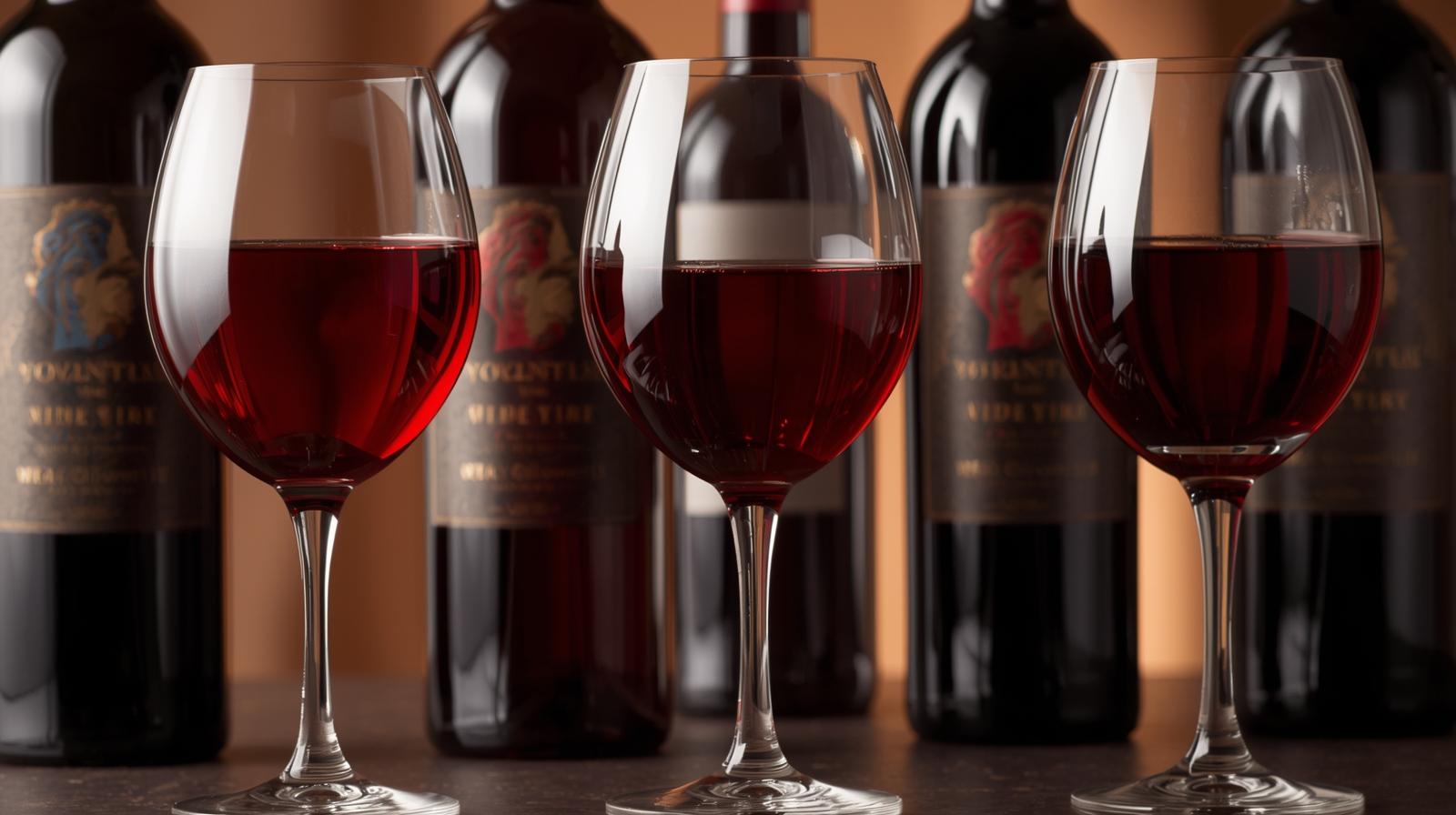
Red wine varieties exist across a spectrum from light and delicate to powerful and age-worthy. Understanding these distinctions matters not for snobbery but for practical enjoyment and food pairing. The difference between Pinot Noir and Shiraz isn’t merely technical classification. It’s the difference between two entirely different drinking experiences, two distinct approaches to how wine can taste and feel in your mouth.
The challenge for wine drinkers comes not from complexity but from abundance. The varieties alone number in the dozens, regions span continents, and production styles vary wildly even within single vineyards. This guide focuses on the types that matter most to Australian wine enthusiasts, those you’ll actually encounter at bottle shops and restaurants, combined with understanding the characteristics that define each category.
The Lightest Reds: Delicate and Food-Friendly
Pinot Noir: The Elegant Challenge
Pinot Noir occupies a unique position. It’s simultaneously one of the world’s most celebrated grapes and notoriously difficult to grow successfully. The results, when done well, reward the effort invested.
Light to medium-bodied, with low tannins and brilliant acidity, Pinot Noir showcases red fruit rather than dark fruit. Think strawberry, raspberry, and cherry with underlying earthy undertones. The variety doesn’t scream from the glass. It whispers, revealing layers gradually as you sip. This subtlety makes it seem lighter than it actually is, a deceptively complex wine that reveals different facets depending on how and when you taste it.
Australian Pinot Noir divides between cool-climate sophistication and warmer-region fruit-forward expressions. Yarra Valley and Mornington Peninsula produce Pinots with European restraint and structural elegance. These wines pair beautifully with grilled salmon, roasted chicken, or duck, foods that benefit from the wine’s delicate touch without overwhelming richness.
Winemakers have learned that Pinot Noir’s greatness emerges not from extraction and power but from understanding and respecting the variety’s natural character. The best Australian Pinots embrace this philosophy, producing wines that taste balanced and complete rather than forced into a mold they don’t naturally fit.
Lighter Italian Varieties: Underrated and Versatile
Corvina, native to Italy’s Veneto region, produces light to medium-bodied reds with low tannins and high acidity. Flavours of smokey red cherry, raspberries, and subtle geranium floral notes mark the variety’s character. Small amounts are appearing in Australian production, creating interesting options for those seeking alternatives to Pinot Noir’s dominance.
These lighter Italian varieties work particularly well in warm climates where they retain freshness despite surrounding heat. The high acidity preserves food compatibility while the light body makes them approachable for everyday drinking without feeling simplistic.
The Middle Ground: Balanced and Approachable
Merlot: The Misunderstood Middle Child
Merlot gets unfairly dismissed as boring, a characterization that says more about how it’s been marketed than what it actually offers. Good Merlot provides velvety texture, ripe plum and blackberry fruit, and enough structure to pair confidently with varied foods without demanding attention.
The variety’s relatively low acidity and soft tannin structure make it immediately approachable, never demanding you wait years for it to soften or become drinkable. This accessibility has led to it being undervalued by those seeking challenge and complexity. Yet this same character makes Merlot genuinely useful in everyday wine drinking, working with roasted meats, mushroom-based dishes, and cheese platters where less forgiving wines might show rough edges.
Australian Merlot from cooler regions like Adelaide Hills maintains the variety’s softness while adding precision and definition. Look for expressions at AU$15 to AU$25 that show clear varietal character without excessive oak or alcohol.
Tempranillo: The Spanish Alternative
Tempranillo, the fourth most widely planted red grape globally, remains relatively unknown in Australian wine culture despite its quality credentials. This thick-skinned variety produces medium to full-bodied reds with high tannins balanced by good acidity.
The flavour profile spans from bright strawberry and raspberry in younger wines to deeper cherry, leather, and tobacco as the wine ages. This evolution makes Tempranillo appealing both for near-term drinking and cellaring. Southern Australian regions increasingly explore Tempranillo, producing wines that show the variety’s elegant side rather than the heavy-handed expressions sometimes encountered elsewhere.
The tannin structure and acidity make Tempranillo work beautifully with game, rich mushroom preparations, and aged cheeses. It’s a wine for those seeking something beyond Australian classics without venturing too far into unfamiliar territory.
Malbec: More Nuanced Than Marketing Suggests
Malbec suffers from marketing that emphasizes raw power and bold flavours. While the variety certainly can produce powerful wines, the best expressions combine this fruit intensity with surprising elegance and restraint.
Medium to full-bodied, with high tannins and pronounced dark fruit flavours of blackberry and plum, Malbec shows tobacco, pepper, and earthy notes that add savouriness to the fruit. Australian Malbec, particularly from Langhorne Creek and Barossa Valley, balances the variety’s natural power with refinement. These wines age beautifully, softening over years while developing leather and secondary complexity.
The key to appreciating Malbec lies in pairing it thoughtfully. The high tannins demand bold flavours. Match it with steak, barbecued meats, or spicy dishes that complement rather than clash with its intensity. Similarly, Malbec pairs wonderfully with strong cheeses and cured meats where its savouriness becomes an asset rather than a liability.
The Full-Bodied Reds: Powerful and Complex
Shiraz: Australia’s Signature
Shiraz remains Australia’s most famous red wine, and for good reason. The variety thrives in warm climates, producing deeply coloured, full-bodied wines with firm tannins and bold fruit character.
The flavour profile spans blackberry, blueberry, cherry, chocolate, and spice, with darker expressions showing pepper, herbs, leather, and tobacco. Australian Shiraz varies dramatically by region. Barossa Valley produces the most powerful, concentrated expressions. McLaren Vale offers slightly more restraint with maritime freshness moderating the warmth. Heathcote adds velvety tannin texture to the fruit-forward intensity.
The variety’s versatility means it works across food pairings from BBQ to cheese platters to game meats. Young Shiraz displays overt fruit character suitable for immediate drinking. Aged Shiraz develops secondary complexity that rewards patience and proper cellaring.
Understanding Shiraz means recognizing that it doesn’t apologize for being bold. The wine makes a statement, demands to be noticed, and pairs best with foods that can match its intensity.
Cabernet Sauvignon: Structure and Elegance
Cabernet Sauvignon represents wine structure in its purest form. High tannin levels, moderate acidity, and firm body create a wine that commands attention and rewards ageing.
The fruit character emphasizes blackcurrant and blackberry rather than lighter red fruits. Cedar, graphite, and tobacco notes add complexity and savouriness. Australian Cabernet varies by region but maintains the variety’s characteristic structure. Coonawarra produces elegant, wine-show-worthy expressions. Margaret River offers fruit-forward power balanced by maritime freshness. Eden Valley creates structured wines with lifted aromatics and refined tannins.
Cabernet Sauvignon’s tannin structure means young wines often taste slightly austere or aggressive. Proper pairing with food softens these edges dramatically, making Cabernet one of the most food-friendly wines when matched thoughtfully. Steak, roasted lamb, and grilled meats all show how the wine should taste in proper context.
The cellaring potential of quality Cabernet Sauvignon means these wines reward patience. A structured, well-made Cabernet at 10 to 20 years old will taste markedly better than the same wine drunk immediately after release.
Nebbiolo: For the Adventurous
Nebbiolo represents wine for those seeking genuine challenge. This full-bodied northern Italian variety produces powerful wines with high tannins while remaining surprisingly pale in colour.
The tannin structure can feel aggressive and drying when young, leading many to dismiss the variety as unpleasant. Yet with age and proper food pairing, Nebbiolo reveals remarkable complexity. Flavours of cherry and plum emerge, joined by leather, tobacco, coffee, and floral rose notes. The high acidity provides freshness and vibrancy that prevents the tannins from becoming cloying.
Australian producers of Nebbiolo remain rare, but small amounts emerge from cool-climate regions where the grape can express its complex character. These wines demand bold food pairings with rich sauces, aged meats, or strong cheeses where the wine’s intensity becomes complementary rather than overwhelming.
Sangiovese: The Acquired Taste
Sangiovese, predominantly Italian and notoriously difficult to grow, produces medium to full-bodied reds with high tannins, very high acidity, and complex layered flavours.
The variety emphasizes tart cherry and plum with hints of vanilla and cinnamon. As the wine ages, secondary flavours of leather, tobacco, and dried herbs emerge. The acidity level surprises many tasters, lending the wine a fresh, food-friendly character despite its full body and tannin structure.
Australian Sangiovese remains uncommon, but experimental producers in regions like Adelaide Hills and Margaret River have shown the variety’s potential. These wines work beautifully with Italian-influenced cuisine, particularly pasta dishes with tomato-based sauces where the wine’s acidity mirrors the sauce’s brightness.
Blended Reds: When Varieties Work Together
Australian red blends represent some of the country’s most interesting wines. Rather than adhering to strict regional definitions, blended wines allow winemakers to emphasize what they consider optimal fruit combinations.
The most famous Australian blends combine Shiraz, Grenache, and Mourvèdre (known as GSM blends). This combination balances Shiraz’s power with Grenache’s perfume and Mourvèdre’s structural complexity. The resulting wines show greater nuance than single varietals while maintaining drinkability and food compatibility.
Cabernet blends, often combining Cabernet Sauvignon with Malbec or Merlot, offer alternative approaches to Bordeaux-style wine. These blends can show additional complexity compared to varietal Cabernets while maintaining the structural integrity expected of the category.
Quality blends often exceed their component parts, creating wines that express winemaker vision rather than varietal limitations. The best demonstrate how thoughtful blending improves rather than compromises the final expression.
Understanding What You’re Drinking
The spectrum of red wine types represents different approaches to what wine can be. Light Pinot Noir and powerful Shiraz aren’t better or worse than each other. They’re different tools for different purposes.
The key to enjoying red wine lies in understanding these distinctions and matching them to how and what you’re drinking. A wine that seems harsh and unpleasant served alone might taste perfect with food. A wine that disappoints at room temperature might shine if slightly chilled. Context dramatically affects perception and enjoyment.
When shopping for red wine, consider several factors. What foods will you pair it with? Are you drinking immediately or cellaring? How much alcohol can you comfortably enjoy? What regions and styles appeal to you based on past experiences?
Australian wine offers remarkable diversity across all these categories. The same bottle shop that stocks powerful Barossa Shiraz also carries delicate Adelaide Hills Pinot Noir. The choice between them needn’t rely on price or prestige. It should reflect genuine understanding of what you enjoy drinking and how that wine fits into your life.
 Shiraz
 Cabernet Sauvignon
 Pinot Noir
 Grenache
 Merlot
 Red Wine Blends
 Chardonnay
 Riesling
 Pinot Gris
 Semillon
 Viognier
 Grenache Rosé
 Pinot Noir Rosé
 Shiraz Rosé
 Sangiovese Rosé
 Aglianico Rosé
 Clairette Rose
 Champagne
 Prosecco
 Sparkling Shiraz
 Blanc de Blanc
 Blanc de Noir
 Pet Nat
 Moscato
 Topaque
 Port
Port Sherry (dry & sweet)
 Muscat & Tokay
 Vermouth