 0473 644 098 · Mon–Fri 9am–5pm AESTHelp & FAQ


Red Wine Jus Recipe – The Art of Building Depth, Plus Which Australian Wines Actually Work

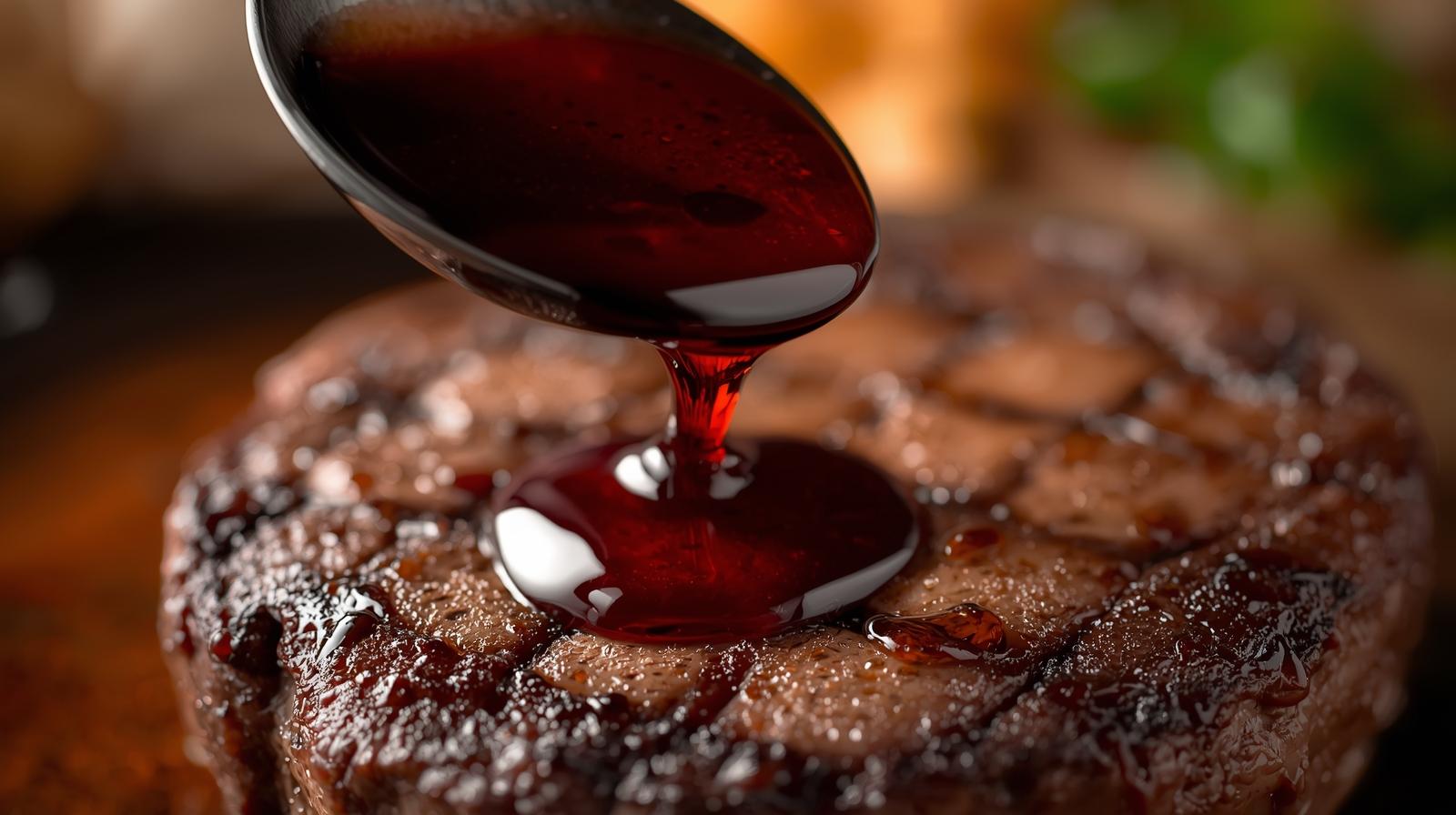
Red wine jus represents one of the most versatile sauces in any kitchen. The combination of concentrated wine, rich stock, and silky butter creates something that enhances virtually any quality protein without overwhelming delicate flavours or clashing with bold preparations.
How to Actually Make It: Step by Step
The foundation begins with good stock. Beef stock provides the most obvious choice for meat jus, though veal stock offers superior elegance if available. At minimum, use quality stock whether homemade, reduced sodium commercial, or even stock cubes combined with water. Avoid the intense, overly salty commercial varieties that concentrate further through reduction.
Step 1: Start the base
Heat one tablespoon of olive oil or butter in a saucepan over medium heat. Add finely chopped shallots, about 2 to 3 depending on final volume desired. Cook the shallots for three to four minutes until softened and just beginning to colour. This step builds foundational sweetness and body without rushing.
Step 2: Add your aromatics
Add three minced garlic cloves and cook for another minute without allowing them to burn. This is important. Burnt garlic ruins everything. You want the garlic just softened and fragrant, nothing more.
Step 3: Create the thickening agent
A quick 30-second addition of cornstarch or plain flour (approximately one teaspoon) creates the thickening agent that gives a proper jus its glossy, coating consistency. Stir well until the garlic and flour combine into a paste. This prevents lumps later.
Step 4: The wine reduction (this is where it matters)
Pour in your chosen red wine, about 250ml for a standard four-person serving. Immediately increase heat to medium-high and allow the wine to come to a rolling boil. This is crucial. The rapid boiling drives off alcohol while concentrating the wine’s fruit and acid characteristics.
Maintain the boil for roughly 10 minutes until the wine reduces by approximately 75 percent. You’ll see it become noticeably syrupy and intensely fragrant. The volume should reduce from 250ml to roughly 60ml. This is where cheap wine becomes obviously problematic and quality wine shines brilliantly.
Step 5: Add your stock
Add your stock, approximately 250ml to match the original wine volume, along with salt, pepper, and fresh herbs. Bay leaves, thyme sprigs, and rosemary all work beautifully. Use what you have. Return the jus to a boil, then reduce heat to medium and maintain a gentle simmer for another 15 minutes, stirring occasionally.
Step 6: Reduce to your preferred thickness
At this point, reduce the jus further depending on your preferred consistency. Some prefer a lighter sauce that barely clings to the back of a spoon. Others demand thickness approaching traditional gravy. Continue simmering, stirring occasionally, until you achieve the desired body. Taste as you go and adjust seasoning. Most jus needs more salt than you initially think.
Step 7: The butter finish
The final enrichment arrives in the form of cold butter whisked in at the end. Two tablespoons of quality butter, added off heat after removing the pan from the stove, creates the signature glossy shine and silky texture that distinguishes proper jus from merely reduced wine and stock. The residual heat melts the butter, creating an emulsion that coats the palate beautifully. Don’t skip this step.
Final optional step: Strain if you want perfection
Strain through a fine sieve if you prefer maximum refinement, removing solids for a perfectly smooth sauce. Alternatively, keep the shallots if you enjoy textural interest. Either approach works fine.
Why What Happens at Temperature Matters
Red wine jus represents one of cuisine’s great democratizing moments. A sauce that conjures images of white tablecloths and French bistros requires no professional culinary training to master. Yet this apparent simplicity masks genuine technique. The difference between a jus that coats the palate with concentrated flavour and one that tastes thin and overly acidic comes down to wine selection, reduction discipline, and understanding how heat transforms alcohol and tannins.
Jus differs fundamentally from traditional gravy. Where gravy relies on roux for thickening and extracts flavour from meat stock, jus emerges through careful reduction and natural gelatin released from bones and connective tissue. The French term “au jus” simply means “with juice,” though contemporary preparation extends well beyond meat juices alone.
The basic formula remains consistent across variations. Wine and stock combine over heat, reducing until flavours concentrate and the sauce naturally thickens to coat the back of a spoon with glossy intensity. Aromatics like shallots, garlic, and herbs build foundational complexity before reduction amplifies their presence.
The critical moment arrives when the wine hits heat. Alcohol evaporates rapidly, which is essential. What you want retained are the wine’s fruit characters, tannin structure, and acid balance. Cheap wines stripped of their subtle elements become increasingly unpleasant as alcohol burns off, leaving bitterness and harshness. Quality wine, conversely, intensifies beautifully through reduction, gaining depth and complexity rather than deteriorating.
Why Your Bottle Choice Actually Matters
Professional kitchens guard their cooking wine selections carefully. Most operate on the principle that you should only use wine in cooking if you’d happily drink it. This needn’t mean expensive bottles. It means wines with clear varietal character, balanced acidity, moderate tannin structure, and minimal oak treatment.
The worst performing cooking wines share common characteristics: excessive new oak that becomes acrid when reduced, residual sugar that caramelizes into burnt sweetness, high alcohol that concentrates into burning sensations, or extreme tannin levels that intensify into astringency. These wines might make serviceable table beverages if you’re not paying attention. They become actively problematic in sauce applications where flavours compress into small volumes.
Many home cooks instinctively reach for the cheapest bottle available for cooking purposes. This reasoning fails on practical grounds. The difference between a AU$8 and AU$12 bottle often determines success or failure of your finished dish. That extra few dollars prevents your jus from tasting harsh, overly tannic, or chemically sharp.
The challenge most home cooks face isn’t complexity of method. It’s choosing the right wine. Too many Australian kitchens rely on cheap bottles that taste marginal when drunk straight and actively detract from a sauce when concentrated through reduction. The good news: Australian wine offers exceptional options for jus production at price points that won’t sadden your wallet.
McLaren Vale Shiraz: The Obvious Choice
McLaren Vale Shiraz occupies the sweet spot for jus production. The region’s warm climate produces wines with ripe, accessible dark fruit that translates beautifully through reduction. The moderate tannin structure that makes McLaren Vale Shiraz such approachable table wines becomes an asset in sauce work, contributing grip without excessive astringency.
Bleasdale’s Generations Malbec and Shiraz blends from Langhorne Creek, just across the border in McLaren Vale’s geographic region, work exceptionally well. These wines exhibit lifted aromatics and balanced acidity that survives reduction without becoming harsh. Even at AU$15 to AU$20, they’re investment-grade for serious sauce work.
For everyday applications, the AU$10 to AU$15 range offers surprising quality. Yalumba’s entry-level expressions, particularly their shiraz offerings from the Barossa, provide excellent value. The key characteristic to seek: wines that display ripe fruit without excess alcohol or obvious oakiness.
Barossa Cabernet When You Want More Backbone
Barossa Cabernet Sauvignon brings structural integrity to jus that Shiraz sometimes lacks. The variety’s naturally higher tannin levels provide body and texture that coats the palate impressively through reduction. The challenge becomes selecting expressions that show restraint rather than aggressive extraction.
Seabrook’s “The Founder” Cabernet Sauvignon from Barossa has become something of a cult cooking wine among Adelaide chefs. At AU$20 to AU$25, it delivers remarkable concentration and depth when reduced, transforming a basic pan sauce into something genuinely special.
For more modest budgets, Wolf Blass’s Red Label range offers Barossa Cabernet Sauvignon at AU$12 to AU$15 that punches well above its price point in sauce applications. The wine shows clean fruit character without excessive oak, making it ideal for jus reduction.
Clare Valley’s Underrated Secret
Clare Valley’s natural acidity profile makes its wines particularly suited to jus work. The region’s combination of warm days and cool nights preserves acid structure that survives heating without deteriorating into harsh notes. Taylors Wines’ entry-level expressions from Clare Valley provide excellent jus potential at AU$12 to AU$16.
What makes Clare Valley particularly appealing for sauce work is the region’s tendency toward slightly restrained alcohol levels compared to warm-climate competitors. Wines that ferment to 13% to 13.5% alcohol rather than 14% to 15% handle reduction more gracefully, producing sauces that taste refined rather than burnt or overextracted.
Merlot Deserves More Attention Here
While Australian winemakers have never championed Merlot with the fervor reserved for Shiraz or Cabernet, the variety offers distinct advantages in jus production. Merlot’s softer tannin profile and plush fruit character translate into accessible, food-friendly sauces. A Cook’s Illustrated taste test found that Côtes du Rhône and similarly styled unoaked red blends performed best for sauce production, with Merlot occupying that territory stylistically.
Australian Merlots from Adelaide Hills or McLaren Vale in the AU$12 to AU$18 range work beautifully. The slight coolness of these regions tempers the richness that sometimes makes warm-climate Merlot feel indulgent in concentrated form.
Budget Wine That Actually Works
Aldi’s Australian wine selection has disrupted traditional pricing structures. For those serious about cooking on modest budgets, their Unspoken Barossa Shiraz Merlot at AU$12.99 represents remarkable value. The wine shows clean, balanced character suitable for reduction without the sharp edges characteristic of many budget offerings. Similarly, their Wolf Blass Shiraz Cabernet blend (exclusive to Aldi) performs admirably in sauce applications.
For those buying at standard Australian bottle shops, the Bleasdale Second Innings range from Langhorne Creek offers Malbec, Shiraz, and blends at AU$15 to AU$20 that work exceptionally well for jus production while remaining accessible for table drinking with leftover portions.
Getting the Timing Right
Red wine jus can be prepared entirely in advance, making it ideal for entertaining. Make the sauce earlier in the day, store it in the refrigerator, and reheat gently while your meat rests. The flavours actually benefit from a few hours of rest, allowing disparate elements to marry into greater cohesion.
When reheating, warm gently over low heat, stirring occasionally. Don’t allow the jus to come to a rolling boil, which can break the emulsion and cause the butter to separate. If preparing ahead, skip the final butter enrichment until just before service, adding it during reheating instead. This ensures maximum glossiness and silky texture when the jus reaches the table.
For freezing, prepare the jus completely except for the final butter enrichment. Cool to room temperature, transfer to airtight containers, and freeze for up to three months. Thaw overnight in the refrigerator, reheat gently, then whisk in fresh cold butter while warm.
What Your Finished Sauce Should Look Like
A properly made red wine jus should taste concentrated but balanced. The wine’s fruit character should shine clearly, supported by savory stock undertones and bright acid from the reduction. The sauce should coat the meat with glossy intensity, not run off the plate like thin gravy.
Serve the jus warm (not scalding, which dulls flavour) alongside your main course. A small amount goes a long way given the sauce’s intensity. Three to four tablespoons per serving typically suffices, though adjust based on personal preference.
The pairing possibilities extend well beyond steak. Red wine jus works beautifully with braised beef, roast lamb, grilled pork chops, pan-seared duck breast, or even roasted chicken prepared ambitiously. The sauce’s savory complexity complements virtually any quality protein, making it one of the most versatile techniques worth mastering.
Why Australian Wine Makes This Worth Doing
Australian wine culture has historically positioned itself against French traditions, yet red wine jus represents one area where embracing French technique creates genuine advantage. Many Australian home cooks either skip sauce work entirely or default to heavy cream-based preparations.
Mastering a proper red wine jus using quality Australian wine accomplishes multiple goals simultaneously. It celebrates local wine production without pretension, demonstrates that Australian wines perform brilliantly in professional-level cooking applications, and elevates everyday home cooking into something genuinely refined.
The irony of Australian wine lies in its frequent underutilization for cooking purposes. Quality Australian wine at AU$12 to AU$20 outperforms wines costing twice as much from other regions when used in sauce production. Yet many cooks remain unaware that their local bottle shop contains perfect cooking wine disguised as table wine.
For those investing time in mastering the technique, selecting Australian wine becomes an exercise in supporting local producers while ensuring superior results. A jus built from quality McLaren Vale Shiraz or Clare Valley Merlot won’t just taste better than versions built from anonymous cheaper alternatives. It will taste distinctly Australian in the best possible way: ripe, balanced, food-friendly, and delivering genuine depth through concentration rather than artificial extraction.
This simple sauce deserves serious attention. Master it once, and you’ll reach for it constantly, each time discovering new dimensions as you experiment with different Australian wines and meat preparations. That investment in technique repays itself exponentially through improved home cooking year after year.
 Shiraz
 Cabernet Sauvignon
 Pinot Noir
 Grenache
 Merlot
 Red Wine Blends
 Chardonnay
 Riesling
 Pinot Gris
 Semillon
 Viognier
 Grenache Rosé
 Pinot Noir Rosé
 Shiraz Rosé
 Sangiovese Rosé
 Aglianico Rosé
 Clairette Rose
 Champagne
 Prosecco
 Sparkling Shiraz
 Blanc de Blanc
 Blanc de Noir
 Pet Nat
 Moscato
 Topaque
 Port
Port Sherry (dry & sweet)
 Muscat & Tokay
 Vermouth