 0473 644 098 · Mon–Fri 9am–5pm AESTHelp & FAQ


Australian Malbec – How a Forgotten Variety Found Its True Home Down Under

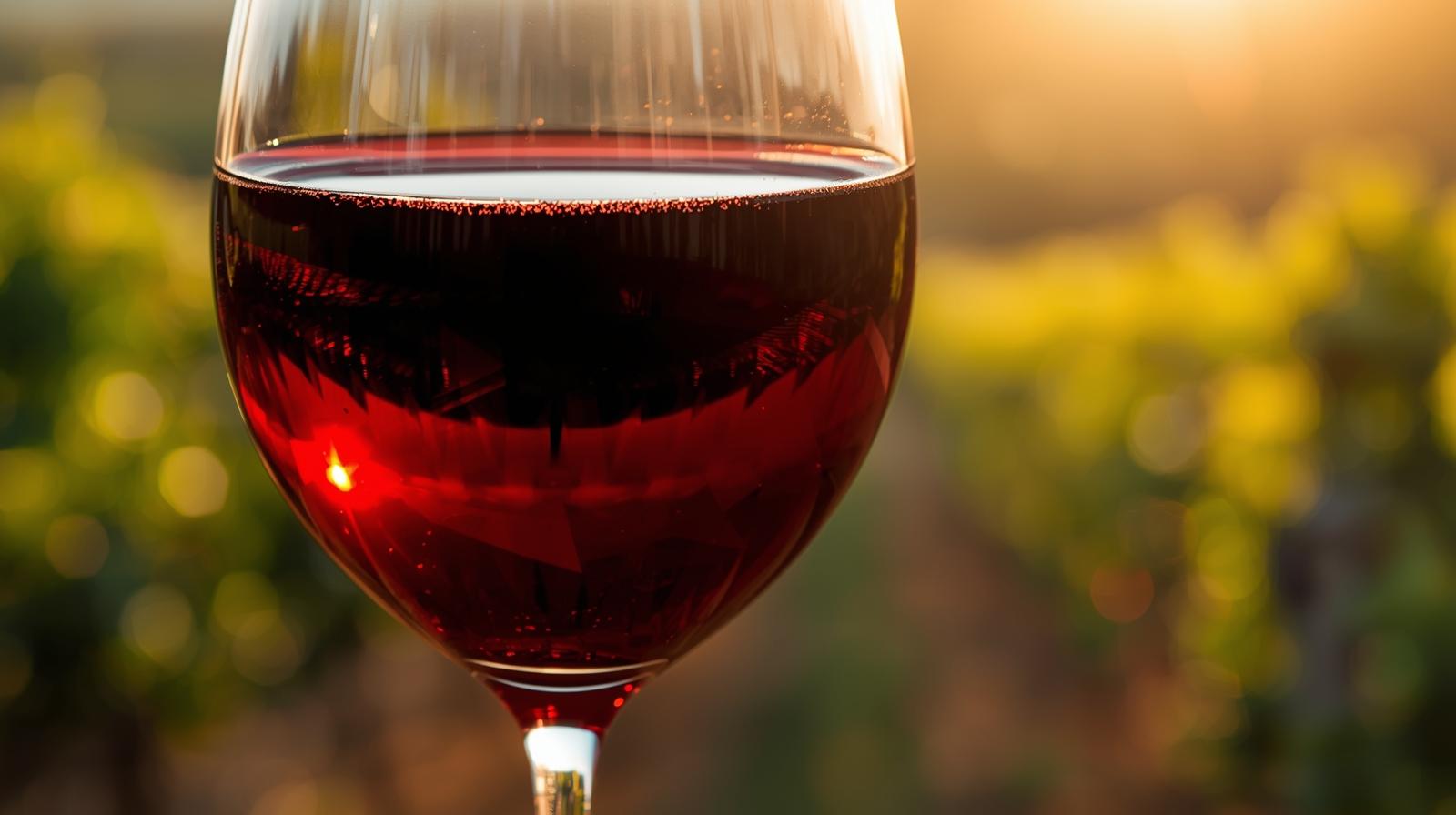
While Argentina dominates the conversation around Malbec, Australia has quietly established itself as the world’s third great home for this noble variety. The story of Australian Malbec stretches back to the late 1800s, when Frank Potts planted the first vines on the banks of the Bremer River in Langhorne Creek. Bleasdale Vineyards, founded by Potts, produced the region’s first single varietal Malbec table wine in 1961, decades before Argentina’s Malbec revolution captured global attention.
Today, Australian Malbec is experiencing a renaissance. The variety thrives in the country’s moderate climate regions, producing wines that blend the fruit richness of New World expressions with structural elegance and surprising longevity. Chair of judges Sue Bell declared at the 2024 Langhorne Creek Wine Show: “The 2021 and 2022 vintages are showing very strong, with a special nod to the Malbec class. A variety that Langhorne Creek can really hang its hat on.”
The Premier Australian Malbec Regions
Langhorne Creek: The Spiritual Home
Langhorne Creek stands as the spiritual home of Australian Malbec, with viticultural history dating to the 1850s when Frank Potts established what would become Bleasdale Vineyards. Rebecca Willson, winemaker at Bremerton Wines, argues persuasively that Malbec has a spiritual home in South Australia as “it was the first dry red variety ever planted in Langhorne Creek by The Potts Family of Bleasdale in the late 1800s.”
The region’s mild climate, with little variation across its boundaries, creates ideal conditions for Malbec. The availability and certainty of irrigation water from the Murray-Darling system provides the facility to grow grapes of very good quality at relatively low costs. The heavy, fertile soils suit Malbec exceptionally well, producing healthy, rich fruit with intense purple colour and jammy fruit characteristics.
While Cabernet Sauvignon with its minty overtones remains the most significant product of the region, Malbec has gained increasing attention. The major wine companies that established operations in Langhorne Creek during the 1990s recognized the variety’s quality potential, contributing to expanded plantings and improving viticultural practices.
Clare Valley: Altitude and Precision
Clare Valley holds the distinction of having the most significant plantings of Malbec in Australia. Located 90 minutes north of Adelaide, the region benefits from remarkable diurnal temperature range, with warm days encouraging the ripening of both flavour and aroma while cooler evenings arrest development and retain acidity and elegance in the resulting wines.
Winemaker Cherry Stowman from Taylors Wines describes their multi-award winning Taylor Made Malbec as “eminently enjoyable,” noting: “This is a lush, mouth-filling wine with intense black cherry, plum, raspberry and some earthy undertones. We use American oak for maturation which brings vanilla and mocha characters to the palate. The wine is medium to full-bodied with great balance, well-integrated oak and a persistent finish.”
The Clare Valley’s ancient slate and limestone soils, combined with temperatures averaging 2 to 3°C above normal during critical summer months yet 1.7°C lower at night, create wines that balance Clare’s characteristic intensity with unexpected finesse. The region’s Mediterranean climate, with cool maritime breezes originating from the Gulf of St Vincent just 60 kilometres west, moderates the warm days and preserves the variety’s natural acidity.
Emerging Cool-Climate Expressions
Malbec’s versatility has revealed itself through successful plantings in cooler Australian regions. Tamburlaine Organic Wines chief winemaker Mark Davidson notes that “just like in Argentina, the real lesson has been that the wine produced at higher altitudes of 800m to 1000m has really shone.”
High-elevation regions including Orange, Canberra, and the Yarra Valley produce Malbec of notable elegance and aromatic complexity. These cool-climate expressions contrast sharply with the fuller-bodied styles from Langhorne Creek and Clare Valley, offering floral notes, brighter acidity, and more restrained alcohol levels. The success of these wines suggests Australian Malbec need not follow a single stylistic pathway.
Margaret River and Great Southern in Western Australia have also emerged as capable Malbec producers, creating structured, fresh, and slightly spicy reds that sit stylistically between traditional Cahors and Argentine Malbec. The relatively cool Margaret River climate produces wines with refined tannins and maritime freshness, while Great Southern’s isolation allows for pure fruit expression.
The Award-Winning Wines
Bleasdale Generations Malbec 2022
Paul Hotker’s final vintage at Bleasdale proved a triumph. The Bleasdale 2022 Generations Malbec claimed the Champion Wine of Show at the 2024 Langhorne Creek Wine Show, marking a fitting conclusion to Hotker’s tenure. “The balance of poise, fruit and tannin of the Bleasdale 2022 Generations Malbec came out on top, but not without stiff competition,” noted judge Sue Bell.
This victory represents more than individual achievement. It signals that Australian Malbec can compete with any variety for top regional honours. Bleasdale’s new senior winemaker Matt Laube, who worked alongside Hotker for 15 years, accepted the trophy on behalf of the team, ensuring continuity of the estate’s Malbec expertise.
Bleasdale has established itself as Australia’s foremost producer of Malbec, a reputation built over more than 150 years of continuous production. The estate’s commitment to the variety, maintained even during the devastating vine-pull schemes of the 1970s and 1980s, preserved genetic material and accumulated knowledge that now provides competitive advantage.
Bleasdale Second Innings Malbec 2021
James Halliday awarded this wine 95 points and proclaimed it “Exceptional Value,” describing it as “seriously good Malbec” from “Australia’s foremost maker of the variety.” The wine collected four Gold medals including a prestigious Top Gold, exceptional recognition for a wine at its price point.
Halliday’s tasting notes capture the wine’s appeal: “Rich, velvety plum and blackberry fruits, supported with amiable tannins.” This accessibility, combined with structural integrity, positions the wine as exemplary of modern Australian Malbec’s evolution from rustic workhorse to sophisticated varietal expression.
The Second Innings range represents Bleasdale’s commitment to offering quality Malbec across multiple price tiers. While the Generations bottling showcases the variety’s premium potential, Second Innings demonstrates that excellent Malbec need not command luxury pricing.
Taylors Taylor Made Malbec 2024
Taylors Wines, Clare Valley’s largest land holder, produces Malbec that won Silver at the 2025 Global Malbec Masters, placing it among the world’s elite expressions of the variety. The wine showcases Clare Valley’s ability to produce lush, mouth-filling Malbec with intense dark fruit and well-integrated oak.
Chief winemaker Adam Eggins, recipient of the Clare Valley Winemaker Award in 2024, brings technical expertise and regional understanding to the estate’s Malbec program. His approach emphasizes varietal purity while allowing American oak maturation to contribute vanilla and mocha complexity without overwhelming the fruit.
The Taylor Made Malbec demonstrates remarkable consistency across vintages, a testament to both viticultural precision and winemaking discipline. At its price point, the wine offers extraordinary value for those seeking an introduction to quality Australian Malbec.
Zilzie Regional Collection Langhorne Creek Malbec 2019
This wine secured Double Gold at the China Wine and Spirits Awards and Gold Medal at the Melbourne Royal Wine Show, impressive recognition for a producer whose estate holds around 1,700 acres under vine across Victoria and South Australia’s best-known regions including Adelaide Hills, Barossa, Coonawarra, and Yarra Valley.
The winemaking approach emphasizes freshness and vibrancy, with fruit from premium Langhorne Creek vineyards cool-fermented on skins for eight days then pressed into stainless steel. The wine underwent malolactic fermentation and maturation on a small percentage of thick, tight-grained French oak to add length while allowing the fruit to shine through.
Tasting notes describe “bright medium red with purple edge, lifted blackberry and toasted spice, dark cherry and violets on the palate with consistent and approachable tannins, peppery oak spice finishing the wine.” This profile exemplifies Australian Malbec’s fruit-forward character balanced by appropriate structural elements.
Hither & Yon Malbec 2022
James Suckling awarded 91 points to this wine, describing it as “a solid, well-made malbec, showing aromas of dark plums, raw cocoa and sweet spices on the nose following through to a medium body and fine tannins. Driven and focused with a flavorful, pulpy finish.”
Stuart Knox from The Real Review also scored it 91 points, noting: “Opaque core, deep ruby rim. Rich nose of blackberry and cured meats. Deep and weighty black fruits fill the senses. It is well encased in firm gravelly tannins that ensure length and accentuate meat and bloody savoury notes into the finish.”
The wine achieved Gold with 96 points at the Australian Alternative Varieties Wine Show, recognition that speaks to the variety’s increasing acceptance within the broader Australian wine landscape. Alternative varieties, once dismissed as novelties, now compete on equal footing with traditional Australian grapes.
Additional Distinguished Bottlings
Bremerton Wines, winner of Producer of the Year at the 2024 Langhorne Creek Wine Show with five trophies, produces Malbec that winemaker Rebecca Willson describes as offering “violet, currant purple fruits with velvety tannins, plushness and purity.” The estate’s commitment to Malbec reflects belief in the variety’s intrinsic quality and market potential.
Lake Breeze, named Halliday’s Best Value Winery of the Year 2022, offers Chapel Road Malbec that demonstrates exceptional quality-to-price ratios. The estate’s Langhorne Creek location and commitment to traditional winemaking techniques produce Malbec of genuine character.
Felix Noctua Malbec 2024 from South-Eastern Australia earned Best Australian Malbec recognition in BBC Good Food’s 2025 taste test. The wine showcases “sun-kissed, perfectly ripe Australian Malbec grapes known for their pronounced jammy fruit flavours, offering plenty of depth without excess, jammy dark fruit presence balanced by some subtle spice and a touch of earthiness, framed by silky tannins and a long fruity finish.”
The Viticultural Challenge and Modern Solutions
Malbec presents significant viticultural challenges. The variety suffers susceptibility to frosts, rots, downy mildew and various grape diseases. Historically, these issues limited Malbec plantings to regions with reduced risk of these hazards, explaining the variety’s concentration in Langhorne Creek and Clare Valley.
Contemporary Australian viticulture has solved many of these problems. New clones selected for disease resistance and improved fruit quality now populate Australian vineyards. Better vineyard management techniques, including canopy manipulation, precise irrigation scheduling, and targeted disease prevention programs, have dramatically reduced risk.
Liam Carmody, chief winemaker at Forest Hill Wines, appreciates the “intense purple colour and fruit brightness” while noting Malbec has “a generally softer tannin structure than some other red grape varieties.” This characteristic, once seen as limiting, now appears advantageous as consumer preferences shift toward more approachable, less tannic reds.
The variety requires significant time on the vine to develop flavour and sufficiently ripe tannins. Australian growing seasons, particularly in South Australia’s moderate climate regions, provide the extended hang time Malbec demands without risking over-ripeness or excessive alcohol. This natural compatibility between variety and region explains Australian Malbec’s consistent success.
Stylistic Profile and Food Pairing
Australian Malbec displays distinctive dark purple colour and notes of red plum, blueberry, vanilla, cocoa and an essence of sweet tobacco. The wines typically show big, juicy and plush flavours with robust structure and moderately firm tannins. Compared to Argentine Malbec’s often extracted, high-alcohol style, Australian expressions tend toward greater restraint and balance.
The acidity level in Australian Malbec, preserved through cool overnight temperatures and careful harvest timing, provides natural food compatibility. The variety’s bold characters and tangy fruit profile make it ideal for traditional grilled meats. “Because of its acidity and bold characters, it is the ideal match to traditional grilled Argentinian meats. It really steps into the spotlight in warmer seasons, which makes it the perfect wine to drink during the great Australian pastime, the BBQ,” notes wine education material.
The savoury flavours and richness of grilled meat balance the wine’s tannin structure, while fruity, tangy, smoky and spicy BBQ sauces happily match Malbec’s corresponding flavour profile. Sage, rosemary, cumin, pepper, shallot, Cajun spice and cumin spice all complement Australian Malbec’s character. The variety also pairs beautifully with chorizo, fennel tossed salad, and various tapas preparations.
Market Position and Consumer Appeal
Rebecca Willson believes Malbec’s current popularity stems from offering “an alternative to Shiraz as our biggest consumed red varietal, it’s berry-driven and plush.” For Australian consumers accustomed to Shiraz’s bold fruit and approachable tannins, Malbec provides familiar comfort with novel distinction.
The variety appeals particularly to drinkers seeking bold reds that aren’t too dry. Malbec’s fruit-forward character, combined with moderate tannin levels and balanced acidity, creates immediate drinkability without sacrificing substance. This accessibility has driven increasing domestic consumption and restaurant wine list placements.
International recognition has elevated Australian Malbec’s profile. Success at competitions including the International Wine Challenge, Decanter World Wine Awards, and Global Malbec Masters demonstrates that Australian expressions can compete with Argentine and French benchmarks. The 2024 award season saw Australian Malbec earning medals across multiple international competitions, bringing export market attention.
Pricing remains competitive, with excellent examples available from AU$15 to AU$35, premium expressions from AU$40 to AU$70, and rare library releases approaching AU$100. This range provides entry points for curious consumers while offering enthusiasts opportunities to explore age-worthy expressions.
What Sets Australian Malbec Apart
The critical distinction between Australian Malbec and expressions from other regions lies in balance. Where Argentine Malbec often pursues extraction and power, Australian producers increasingly prioritize elegance and drinkability. Where Cahors emphasizes structure and austerity, Australian Malbec offers approachability without sacrificing complexity.
Climate plays a crucial role. Australia’s moderate wine regions, particularly Langhorne Creek and Clare Valley, provide warmth for full flavour development without the extreme heat that can produce overripe, jammy character. Nighttime cooling, whether from elevation in Clare Valley or maritime influence in Langhorne Creek, preserves natural acidity that keeps wines fresh and food-friendly.
The viticultural resource of old vines, while not as extensive as for Shiraz or Cabernet, provides genetic material selected over generations for Australian conditions. These adapted vines produce fruit with natural balance, reducing the need for aggressive winemaking intervention. Producers increasingly recognize that great Australian Malbec emerges from vineyard work rather than cellar manipulation.
Winemaking philosophy has evolved dramatically. Early Australian Malbec often received heavy oak treatment to add structure and weight. Contemporary producers favour large-format oak, concrete, or stainless steel that allows varietal character to express itself clearly. This shift reflects broader movements in Australian wine toward restrained winemaking and terroir expression.
The Bleasdale Legacy
No discussion of Australian Malbec can ignore Bleasdale Vineyards’ central role in the variety’s history and continued success. As the only Langhorne Creek winery to maintain continuous production since the region’s founding, Bleasdale preserved Malbec knowledge and plant material through decades when the variety held minimal commercial value.
The estate’s triumph at the 2024 Langhorne Creek Wine Show, combined with consistent recognition across multiple competitions, validates this long-term commitment. Bleasdale now holds the distinction of Australia’s leading Malbec producer, a reputation built through persistence, quality focus, and willingness to champion an unfashionable variety.
Paul Hotker’s tenure as winemaker established benchmarks for Australian Malbec quality. His successor, Matt Laube, inherits both technical knowledge and established markets for premium Malbec. The transition suggests Bleasdale’s Malbec program will continue evolving rather than resting on historical reputation.
Where Australian Malbec Goes From Here
The recent surge in critical acclaim and consumer interest positions Australian Malbec for continued growth. Plantings remain modest compared to Shiraz or Cabernet, creating opportunity for expansion without oversupply risk. The variety’s relatively recent arrival in premium wine conversations means many consumers remain unaware of Australian expressions’ quality potential.
Export markets, particularly the UK and North America, show increasing receptivity to Australian Malbec. Sommeliers and wine buyers seeking alternatives to ubiquitous Argentine expressions find Australian wines offer distinctive profiles at competitive prices. This export demand should drive continued quality improvements and encourage additional producers to explore the variety seriously.
Climate change paradoxically strengthens Malbec’s position within Australian viticulture. As temperatures rise, varieties like Pinot Noir struggle in traditional regions while Malbec thrives. The grape’s heat tolerance, combined with natural disease resistance in drier climates, positions it advantageously for Australia’s warming conditions.
The next generation of winemakers shows enthusiasm for alternative varieties including Malbec. Young producers entering the industry seek opportunities to differentiate themselves from established brands, making Malbec an attractive proposition. Their fresh perspectives, combined with improving viticultural understanding, should yield increasingly refined expressions.
For Australian wine drinkers seeking something beyond the familiar, Malbec offers compelling value and genuine quality. The variety’s accessibility makes it suitable for casual drinking while its structural complexity rewards serious attention. With prices remaining reasonable and quality continuing to improve, Australian Malbec deserves recognition as one of the country’s most underrated wine stories.
 Shiraz
 Cabernet Sauvignon
 Pinot Noir
 Grenache
 Merlot
 Red Wine Blends
 Chardonnay
 Riesling
 Pinot Gris
 Semillon
 Viognier
 Grenache Rosé
 Pinot Noir Rosé
 Shiraz Rosé
 Sangiovese Rosé
 Aglianico Rosé
 Clairette Rose
 Champagne
 Prosecco
 Sparkling Shiraz
 Blanc de Blanc
 Blanc de Noir
 Pet Nat
 Moscato
 Topaque
 Port
Port Sherry (dry & sweet)
 Muscat & Tokay
 Vermouth