 0473 644 098 · Mon–Fri 9am–5pm AESTHelp & FAQ


Pepper Tree Stone Mountain Riesling: Why This Single Vineyard Expression Commands Attention

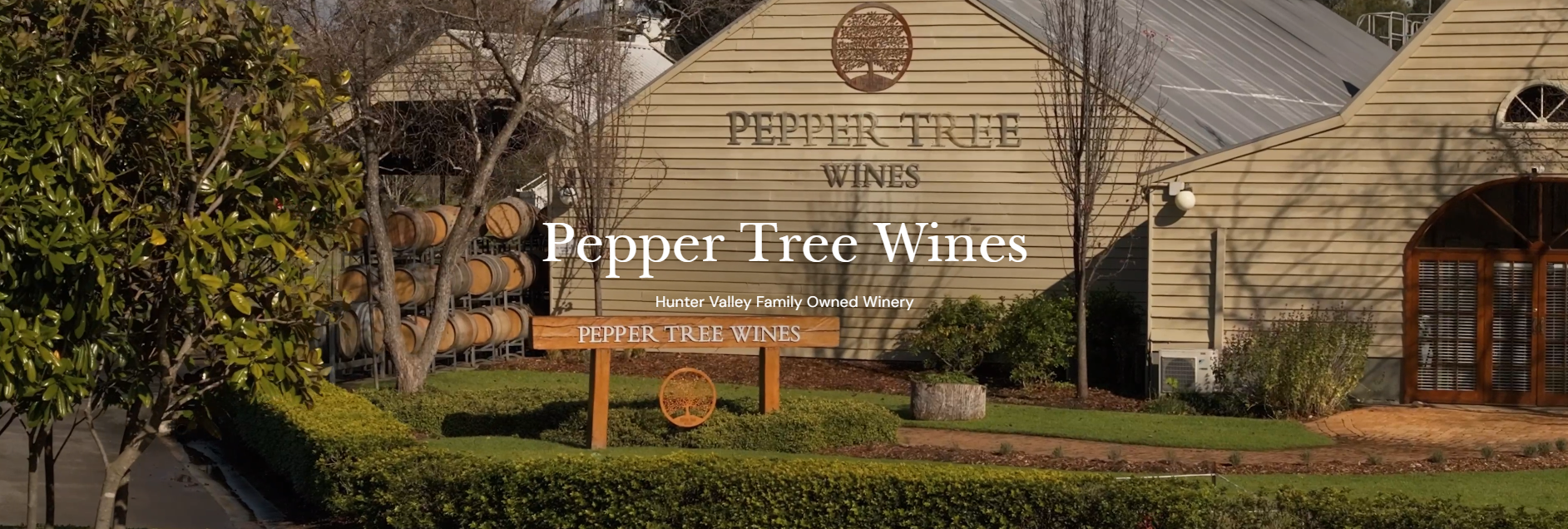
The Pepper Tree Stone Mountain Single Vineyard Riesling represents one of Australia’s most compelling Riesling expressions, earning 96 points from James Halliday’s Wine Companion and showcasing the exceptional terroir of Orange, NSW. This is precisely the type of wine that demonstrates why Australian Riesling has carved out its own distinctive identity on the world stage.
What Makes Stone Mountain Vineyard So Special
The magic begins with location. Situated at 810 metres above sea level on the volcanic slopes of Mount Canobolas in Orange, the Stone Mountain vineyard occupies one of Australia’s most privileged sites for cool-climate viticulture. The elevation provides crucial diurnal temperature variation – warm days for flavour development, cool nights for acidity retention – creating the perfect conditions for premium Riesling production.
The volcanic basalt soils contribute a distinctive mineral backbone that sets this wine apart from Rieslings grown on different geological foundations. This terroir influence is immediately apparent in the wine’s structure, providing what critics describe as “chalky minerality” and “briny” characteristics that speak directly to the site’s unique geology.
The Pepper Tree Philosophy: Single Vineyard Purity
Under the guidance of owner John Davis, a geologist turned winemaker, and head winemaker Gwyn Olsen, Pepper Tree Wines has built its reputation on expressing individual vineyard character. Rather than blending fruit from multiple sites to create a house style, their single vineyard approach allows the Stone Mountain Riesling to speak with an authentic voice that reflects its specific place of origin.
This philosophy of terroir expression over winemaker intervention ensures that each vintage captures the essence of the growing season and the unique characteristics of this elevated Orange site.
Tasting Notes: What to Expect in Your Glass
Professional critics have been unanimous in their praise for this wine’s complexity and balance. James Halliday’s Wine Companion awarded it 96 points, with Shanteh Wale noting it as “a powerhouse of a wine, but equally moreish and understated”. The aromatic profile opens with elderflower and lime cordial, evolving into Granny Smith apple skin, kiwi fruit, and distinctive custard apple flavours.
What distinguishes this wine is its textural sophistication. Critics describe “a wire mesh of skin phenolics intermixed with briny oyster water and coconut juice”, indicating genuine depth and mouthfeel that develops from careful fruit handling and the site’s volcanic influence. The finish delivers bone-dry precision, showcasing the classic Australian Riesling style.
Stuart Knox from The Real Review’s 95-point assessment highlights the wine’s “tropical fruit nuances, hints of lime zest and chalky minerality” with “wonderfully textural and gliding acidity” – characteristics that make this wine immediately appealing yet capable of extended cellaring.
Why You Should Add This to Your Cellar
The Stone Mountain Riesling offers the best of both worlds: immediate drinking pleasure and long-term cellaring potential. Australian Rieslings are renowned for their ability to develop honeyed complexity whilst maintaining essential freshness over decades. This wine’s combination of natural acidity, mineral backbone, and fruit concentration provides the perfect foundation for graceful aging over the next 10-15 years.
The wine’s bone-dry style represents Australia’s signature contribution to the global Riesling conversation, offering complexity without relying on residual sugar for immediate appeal. At 12-13% alcohol, it maintains perfect balance, allowing fruit and mineral expression to remain the focus.
Perfect Food Matches for Stone Mountain Riesling
The wine’s bright acidity and mineral backbone make it exceptionally versatile at the table. For seafood lovers, it’s sublime with fresh oysters, where the wine’s mineral complexity complements the briny sweetness perfectly. The clean, dry finish makes it ideal with delicate fish preparations where you might traditionally add lemon.
Asian cuisine finds a perfect partner in this Riesling’s aromatic intensity and fresh profile. Consider pairing with Thai salads featuring lime and fresh herbs, Vietnamese spring rolls, or Japanese sashimi. The wine’s textural complexity also makes it exceptional with roasted chicken prepared with herbs, while the volcanic minerality beautifully complements aged hard cheeses.
The Orange Region: Australia’s Cool Climate Jewel
The Orange wine region represents one of Australia’s most exciting cool-climate areas, with its high altitude and volcanic soils creating unique conditions for premium wine production. The significant diurnal temperature variation allows for extended hang time, developing complex flavours whilst preserving the natural acidity that makes great Riesling.
This terroir produces wines with a distinctive mineral character that sets them apart from other Australian regions, and the Stone Mountain Riesling captures this regional identity perfectly.
Investment Quality: A Wine That Rewards Patience
With critical scores of 95-96 points from respected wine critics, this wine represents exceptional value for collectors and enthusiasts. Australian Rieslings have a proven track record for graceful aging, developing additional layers of complexity whilst maintaining their essential character. The Stone Mountain vineyard’s elevated site and volcanic soils provide the structural foundation necessary for extended cellaring.
Whether you choose to enjoy it now or cellar it for future occasions, the Pepper Tree Stone Mountain Single Vineyard Riesling delivers exceptional quality that justifies its critical acclaim and represents the pinnacle of Australian cool-climate Riesling production.
 Shiraz
 Cabernet Sauvignon
 Pinot Noir
 Grenache
 Merlot
 Red Wine Blends
 Chardonnay
 Riesling
 Pinot Gris
 Semillon
 Viognier
 Grenache Rosé
 Pinot Noir Rosé
 Shiraz Rosé
 Sangiovese Rosé
 Aglianico Rosé
 Clairette Rose
 Champagne
 Prosecco
 Sparkling Shiraz
 Blanc de Blanc
 Blanc de Noir
 Pet Nat
 Moscato
 Topaque
 Port
Port Sherry (dry & sweet)
 Muscat & Tokay
 Vermouth