 0473 644 098 · Mon–Fri 9am–5pm AESTHelp & FAQ


Best Australian Cabernet Sauvignon Regions: Coonawarra vs Margaret River Explained


Best Australian Cabernet Sauvignon Regions: Where Does Cabernet Really Shine?
Talk to any serious critic about Australian Cabernet Sauvignon and two regions surface before almost any others: Coonawarra and Margaret River. Around them orbit a handful of other sites that quietly turn out superb examples, yet it is these two names that define how Australian Cabernet is understood on the world stage. For anyone about to explore our big range of Cabernet Sauvignon wines or browse our Cabernet Sauvignon red wine range, understanding why these locations matter is the key to buying with confidence rather than guesswork.
Why Coonawarra Cabernet Sauvignon Is Considered A Benchmark
Cabernet Sauvignon arrived in Australia in the nineteenth century, but it was the strip of vivid red terra rossa soil in Coonawarra that first proved just how noble this grape could be here. These free‑draining, iron‑rich clays over limestone limit vine vigour and concentrate flavour, giving wines that combine dark cassis fruit with a leafy, almost cigar‑box savouriness that many tasters instinctively associate with fine Bordeaux. Crucially, Coonawarra’s cool to moderate climate stretches the growing season, allowing Cabernet’s tannins to ripen fully without pushing alcohol to extremes, which is why the region’s best wines can age gracefully for decades.
Over the past two decades, James Halliday’s Halliday Wine Companion has repeatedly highlighted Coonawarra in its Cabernet Sauvignon varietal awards, and Wine Australia itself still points to the region as a reference point for the variety. Wine Spectator has also noted that many Australian drinkers instinctively name Coonawarra when asked where the country’s best Cabernet comes from, even if vintage variation can mean that true greatness appears only in the best seasons. For readers who like classic structure, fine but firm tannins and that interplay of blackcurrant, mint and subtle oak, Coonawarra remains one of the safest answers to the question of where to shop Australian Cabernet Sauvignon red wine with long‑term potential.
Margaret River Cabernet Sauvignon: Australia’s Answer To Bordeaux?
If Coonawarra represents a cool, limestone‑rimmed expression of Cabernet, Margaret River presents a slightly warmer but remarkably consistent maritime alternative that many commentators compare directly to Bordeaux. As early as the 1960s, Dr John Gladstones noted the similarity between Margaret River’s growing conditions and those of Bordeaux, and from the first modern plantings, Cabernet Sauvignon was at the centre of the region’s ambition. Today, Margaret River Cabernet is known for its combination of ripe black and red fruits, fine graphite‑like tannins and a savoury, bay‑leaf edge, often with slightly lower alcohol and brighter acidity than equivalent wines from Napa.
Where Coonawarra must ride a rollercoaster of cooler and warmer vintages, Margaret River has enjoyed an extraordinary run of high‑quality seasons, which is one reason so many of Halliday’s top Cabernet releases now come from the west. Tasting comparisons that set Bordeaux, Napa Valley and Margaret River side by side frequently note that the best Margaret River wines deliver comparable quality at far gentler prices, something that should be front of mind for anyone looking to buy Australian Cabernet Sauvignon online today. For drinkers who like classic structure, fine but firm tannins and that interplay of blackcurrant, mint and subtle oak, this classic Coonawarra Cabernet corridor remains one of the safest answers to the question of where to shop Australian Cabernet Sauvignon red wine with long‑term potential.
Beyond The Big Two: Yarra Valley, Barossa, Clare And More
Although Coonawarra and Margaret River rightly dominate discussions of Australian Cabernet Sauvignon, they are far from alone in producing compelling wines. Halliday’s Cabernet Sauvignon varietal awards have, in recent years, drawn attention to the Yarra Valley and Barossa Valley for standout bottles, including wines from rare Ancestor Vine plantings over 125 years old. Cool‑climate regions such as Yarra and parts of the Eden Valley and Clare Valley tend to give Cabernets with redder fruit, higher natural acidity and a more obvious herbal edge, appealing to those who prefer a slightly lighter frame and savoury complexity.
On the other hand, warmer areas such as the Barossa Valley and Langhorne Creek can produce Cabernets with deeper colour, riper black fruit and broader tannins, often suiting those who are accustomed to the generosity of Californian or South Australian Shiraz. Wine Australia notes that whilst Cabernet Sauvignon does best in moderate climates like Coonawarra and Margaret River, it is planted widely, from value‑focused Riverland vineyards to serious single‑site bottlings in regions like the Pyrenees. For an online retailer, highlighting this diversity allows customers to browse our Cabernet Sauvignon red wine range not just by price, but by regional style and structure, which in turn encourages more thoughtful cellaring and food matching.
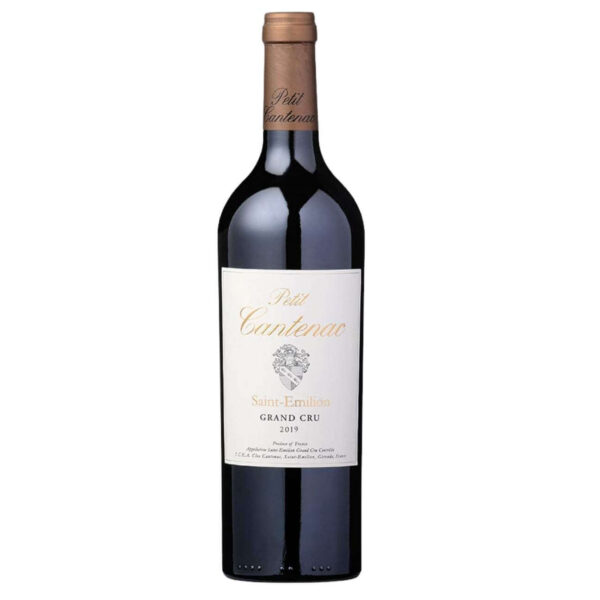 $69.00
/ bottle
$414.00 for a case of 6
$69.00
/ bottle
$414.00 for a case of 6
Clos Cantenac Petit Cantenac Saint-Émilion Grand Cru
Shipped by
Oatley Fine Wine Merchants
$69.00
/ bottle
$414.00 for a case of 6
 $36.00
/ bottle
$216.00 for a case of 6
$36.00
/ bottle
$216.00 for a case of 6
Johns Blend Cabernet Sauvignon
Shipped by
The Winehouse Langhorne Creek
$36.00
/ bottle
$216.00 for a case of 6
$240
off RRP
-57% Hot
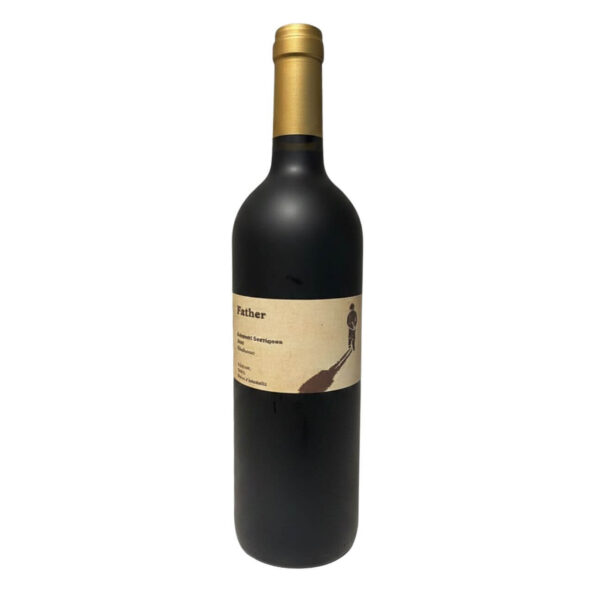 $70.00
$30.00
/ bottle
$180.00 for a case of 6
$70.00
$30.00
/ bottle
$180.00 for a case of 6
Sunshine Creek Father Cabernet Sauvignon
Shipped by
Cellars100
$70.00
$30.00
/ bottle
$180.00 for a case of 6

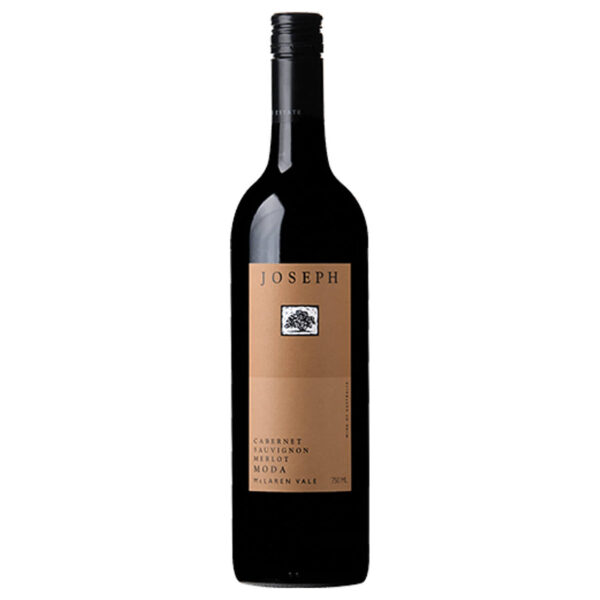 $90.50
/ bottle
$543.00 for a case of 6
$90.50
/ bottle
$543.00 for a case of 6
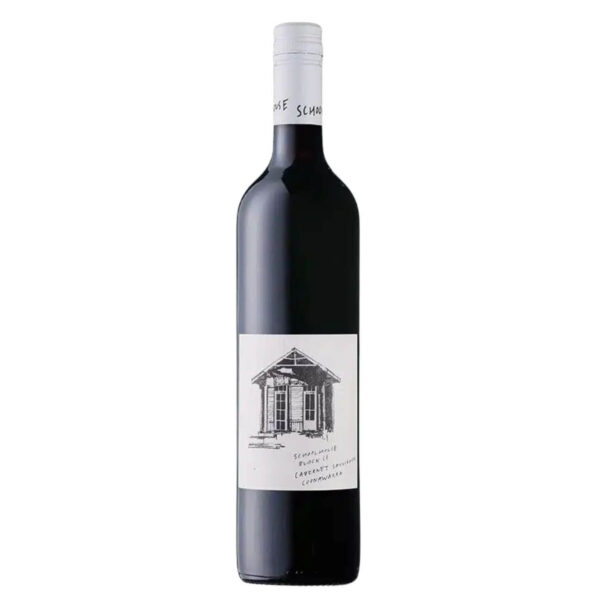 $80.00
/ bottle
$480.00 for a case of 6
$80.00
/ bottle
$480.00 for a case of 6

 $42
off RRP
-16% Hot
$42
off RRP
-16% Hot
 $22.00
$18.50
/ bottle
$222.00 for a case of 12
$22.00
$18.50
/ bottle
$222.00 for a case of 12
Stonehaven Stepping Stone Cabernet Sauvignon
Shipped by
Wines By Cellars
$22.00
$18.50
/ bottle
$222.00 for a case of 12
 414 pts
 What Makes Cabernet Sauvignon So Good For Ageing?
Part of Cabernet Sauvignon’s appeal, whether from Coonawarra, Margaret River or elsewhere, lies in its natural architecture. The grape has thick skins and high levels of tannin, which act as a natural preservative and give wines the backbone to evolve from primary fruit towards more complex cedar, tobacco and earth notes over many years. Viticultural research emphasises that the most powerful Cabernets usually come from well‑drained, nutrient‑poor soils that moderate vine vigour and produce smaller, more concentrated berries, a description that fits both Coonawarra’s terra rossa over limestone and the gravelly, free‑draining sites favoured in top Margaret River vineyards.
Ageworthiness, however, is not only about grapes and dirt; it is also about climate, winemaking and storage. Moderately warm but not overly hot seasons allow tannins to ripen without sugar levels soaring, which is why extreme vintages can leave Cabernet either under‑ripe and green or overly plush and short on definition. Careful extraction, balanced oak use and correct bottling decisions then shape those tannins into something that will soften gradually over time rather than fall apart, provided the bottle is stored somewhere cool and dark. When readers choose to buy Cabernet Sauvignon online in Australia for the cellar rather than immediate drinking, these are the hidden structural details that separate merely good wines from truly great ones.
How Critics See Australian Cabernet Sauvignon Today
Looking back over the past twenty years, it is striking how consistently global and local critics have returned to Cabernet Sauvignon when trying to explain Australia’s regional diversity. Wine Spectator once quoted an industry figure arguing that Cabernet is “the best vehicle for telling the story of Australian wine”, precisely because it reflects place so vividly: the mint and cassis of Coonawarra, the bay leaf and graphite of Margaret River, the red‑fruited lift of cool‑climate Yarra Valley. At the same time, critics have become more candid about challenges, noting that both Coonawarra and Margaret River can miss the mark in cooler or wetter seasons, when wines risk a greener, more vegetal profile than many international drinkers prefer.
Halliday’s vintage chart shows just how uneven some years have been, yet it also highlights that when conditions align, Australian Cabernet Sauvignon can rival famous wines from Bordeaux or Napa in both quality and longevity. Recent comparative tastings published by educators and specialist writers have found that top Margaret River Cabernets in particular often deliver “outstanding” quality at prices that feel modest beside many international icons, which is encouraging news for consumers browsing our Cabernet Sauvignon red wine range with an eye on value as well as prestige. For an Australian audience, there is a quiet satisfaction in seeing local bottles judged not as curiosities from a distant hemisphere, but as peers and, occasionally, as over‑performers.
So Which Australian Region Makes The Best Cabernet Sauvignon?
Ask four experts this question and four different answers will come back, which is precisely what makes the topic so interesting. Coonawarra has seniority, terroir distinctiveness and a long track record of wines that still taste vivid after twenty or thirty years, so anyone looking to buy Australian Cabernet Sauvignon online today with cellaring in mind must take it seriously. Margaret River offers perhaps the most consistently high quality, ringing with a maritime freshness that has convinced many commentators it is now Australia’s most complete expression of the grape, particularly for those who value balance as much as sheer power.
Around them, regions such as Yarra Valley, Barossa Valley, Clare Valley and Eden Valley continue to turn out Cabernets that broaden the conversation and challenge the idea that greatness belongs to only two postcodes. Perhaps the most practical answer for readers is this: rather than chasing an abstract “best”, use the ability to buy Cabernet Sauvignon online in Australia to taste across regions, vintages and producers, then decide which combination of fruit, tannin and savouriness feels most compelling. After all, Cabernet Sauvignon shows regional differences with unusual clarity, and there is no better way to understand them than by lining up a few bottles from Coonawarra, Margaret River and beyond, and letting the glasses speak for themselves.


 Shiraz
 Cabernet Sauvignon
 Pinot Noir
 Grenache
 Merlot
 Red Wine Blends
 Chardonnay
 Riesling
 Pinot Gris
 Semillon
 Viognier
 Grenache Rosé
 Pinot Noir Rosé
 Shiraz Rosé
 Sangiovese Rosé
 Aglianico Rosé
 Clairette Rose
 Champagne
 Prosecco
 Sparkling Shiraz
 Blanc de Blanc
 Blanc de Noir
 Pet Nat
 Moscato
 Topaque
 Port
Port Sherry (dry & sweet)
 Muscat & Tokay
 Vermouth