 0473 644 098 · Mon–Fri 9am–5pm AESTHelp & FAQ


The Australian Guide to Decanting Wine – When, Why & How

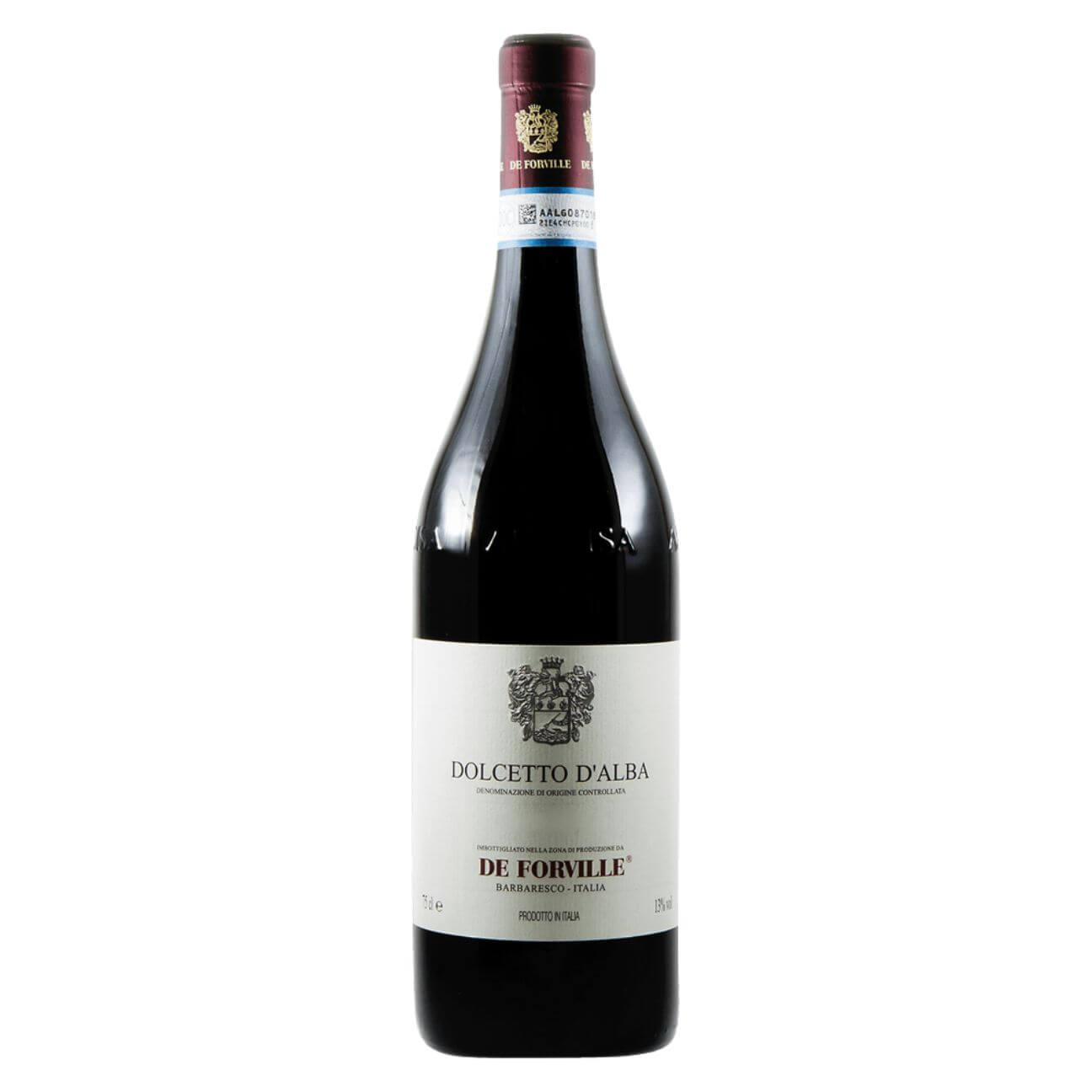
Decanting is one of the most misunderstood aspects of wine service, yet it’s crucial for getting the best from many Australian wines. From young, powerful Barossa Valley Shiraz that needs time to breathe, to aged Hunter Valley Semillon with delicate sediment, understanding when and how to decant will transform your wine experience.
Understanding Why We Decant
Decanting serves two primary purposes, and knowing which applies to your wine determines your approach. Separation decanting removes sediment from older wines, whilst aeration decanting introduces controlled oxygen to young wines, softening harsh tannins and releasing complex aromatics that might otherwise remain locked in the bottle for hours.
Sediment formation occurs naturally in many quality wines as tannins, colour compounds, and tartrate crystals precipitate over time. This is particularly common in full-bodied Australian reds like Coonawarra Cabernet Sauvignon, Margaret River blends, and premium Shiraz from regions like Barossa Valley or Eden Valley. The sediment itself is harmless but can create a gritty texture and bitter taste if poured into your glass.
Aeration benefits are most pronounced in young, tannic wines where controlled oxidation helps integrate alcohol, soften astringent tannins, and allow fruit flavours to emerge. This process, which would naturally occur over several years in the bottle, can be accelerated through decanting in 30-90 minutes.
When to Decant Australian Wines
Full-Bodied Reds Requiring Long Decanting (60-90 minutes)
Barossa Valley Shiraz aged 2-5 years benefits enormously from extended decanting. These wines often display intense dark fruit, high alcohol (14-15%), and substantial tannin structure. Young examples can taste closed and astringent straight from the bottle, but after 60-90 minutes of decanting, they reveal layers of blackberry, chocolate, and spice with much more approachable tannins.
Coonawarra Cabernet Sauvignon particularly from premium producers like Wynns, Penley Estate, or Hollick, should be decanted for at least 60 minutes. The region’s terra rossa soil produces wines with distinctive eucalyptus and mint characteristics that emerge beautifully with aeration, whilst the firm tannin structure softens to reveal classic blackcurrant fruit.
Margaret River blends combining Cabernet Sauvignon, Merlot, and sometimes Malbec or Petit Verdot, respond excellently to extended decanting. The maritime climate produces wines with excellent structure and complexity that unfolds gradually with oxygen exposure.
Medium-Bodied Reds Requiring Moderate Decanting (30-45 minutes)
McLaren Vale Grenache represents one of Australia’s most food-friendly red wine styles, but young examples benefit from 30-45 minutes decanting to reveal their characteristic spice, earth, and red fruit character. The wines’ natural tendency towards elegance means shorter decanting times prevent over-oxidation.
Adelaide Hills Shiraz from this cool climate region produces more elegant, pepper-driven wines than their warm climate cousins. Decanting for 30-45 minutes allows the subtle aromatics to emerge whilst preserving the wine’s inherent finesse.
Clare Valley Shiraz/Cabernet blends often show excellent integration after moderate decanting, allowing the region’s distinctive mineral character to shine through fruit and oak components.
Delicate Wines Requiring Careful Decanting (15-30 minutes)
Pinot Noir from Tasmania, Yarra Valley, or Mornington Peninsula requires the most careful approach. These wines can easily be over-decanted, losing their delicate aromatics and becoming flat. Start with 15 minutes and taste regularly, rarely extending beyond 30 minutes.
Aged Hunter Valley Semillon (10+ years) may have developed sediment and benefits from gentle separation decanting. However, these wines can be extremely delicate, so minimal aeration time prevents the loss of their characteristic honey, toast, and citrus development.
Step-by-Step Decanting Process
Preparation Phase (24 hours ahead)
Store the bottle upright for at least 24 hours before decanting. This allows any sediment to settle to the bottom, making separation much easier. For wines stored on their side for months or years, this settling period is crucial.
Check your decanter cleanliness—any soap residue or musty odours will contaminate the wine. Rinse with clean water and polish dry with a lint-free cloth. Crystal decanters should be at room temperature to prevent thermal shock when wine is added.
Opening and Initial Assessment
Remove the foil capsule completely to avoid any contamination. For older wines with fragile corks, use a high-quality corkscrew with a long, thin worm to minimise breakage risk. If the cork breaks, don’t panic—push remaining pieces into the bottle and strain during decanting.
Taste the wine immediately after opening to assess its condition and determine optimal decanting time. Wines showing signs of reduction (sulphur-like aromas) often benefit from longer decanting, whilst those displaying primary fruit character may need less time.
Decanting Technique
Position a light source (candle, flashlight, or phone torch) behind the bottle neck to monitor sediment movement. Pour slowly and steadily at a 45-degree angle, maintaining constant flow to prevent splashing and excessive aeration during the pour.
Watch for sediment approaching the neck—stop immediately when you see dark particles or cloudiness approaching. The last 50-100ml often contains most sediment; this can be strained through muslin if you want to capture every drop.
Timing and Service
Start timing from when decanting is complete, not when you first open the bottle. Young, tannic wines continue developing in the decanter, often improving significantly in the final 30 minutes before service.
Taste periodically throughout the decanting process, especially for older or delicate wines. This allows you to serve at optimal development rather than relying solely on prescribed timing.
Regional Decanting Guide
Barossa Valley: Most Shiraz benefits from 60-90 minutes; GSM blends 45-60 minutes
McLaren Vale: Shiraz 45-60 minutes; Grenache 30-45 minutes
Coonawarra: Cabernet Sauvignon 60-90 minutes; blends 45-60 minutes
Margaret River: Cabernet blends 60-75 minutes; Chardonnay 15-20 minutes
Adelaide Hills: Pinot Noir 15-30 minutes; Chardonnay 10-20 minutes
Tasmania: Pinot Noir 15-25 minutes; sparkling wines should never be decanted
Hunter Valley: Young Shiraz 45-60 minutes; aged Semillon 10-15 minutes maximum
Common Decanting Mistakes
Over-decanting delicate wines is the most frequent error. Pinot Noir, aged wines, and aromatic varieties can lose their character quickly. Always err on the side of caution.
Ignoring temperature affects decanting success. Wines served too warm taste alcoholic and lose freshness, whilst over-chilled wines don’t release aromatics properly.
Using contaminated decanters or failing to let bottles settle before opening leads to cloudy wine and compromised flavours.
Mastering decanting transforms your appreciation of Australian wines, revealing complexity and character that remains hidden in unopened bottles. Whether you’re serving a young Barossa Shiraz or an aged Margaret River Cabernet blend, proper decanting technique ensures every glass delivers the winemaker’s intended expression.
 Shiraz
 Cabernet Sauvignon
 Pinot Noir
 Grenache
 Merlot
 Red Wine Blends
 Chardonnay
 Riesling
 Pinot Gris
 Semillon
 Viognier
 Grenache Rosé
 Pinot Noir Rosé
 Shiraz Rosé
 Sangiovese Rosé
 Aglianico Rosé
 Clairette Rose
 Champagne
 Prosecco
 Sparkling Shiraz
 Blanc de Blanc
 Blanc de Noir
 Pet Nat
 Moscato
 Topaque
 Port
Port Sherry (dry & sweet)
 Muscat & Tokay
 Vermouth