 0473 644 098 · Mon–Fri 9am–5pm AESTHelp & FAQ


Cool-Coastal Chardonnay: Why Geelong Is Australia’s Quiet Overachiever


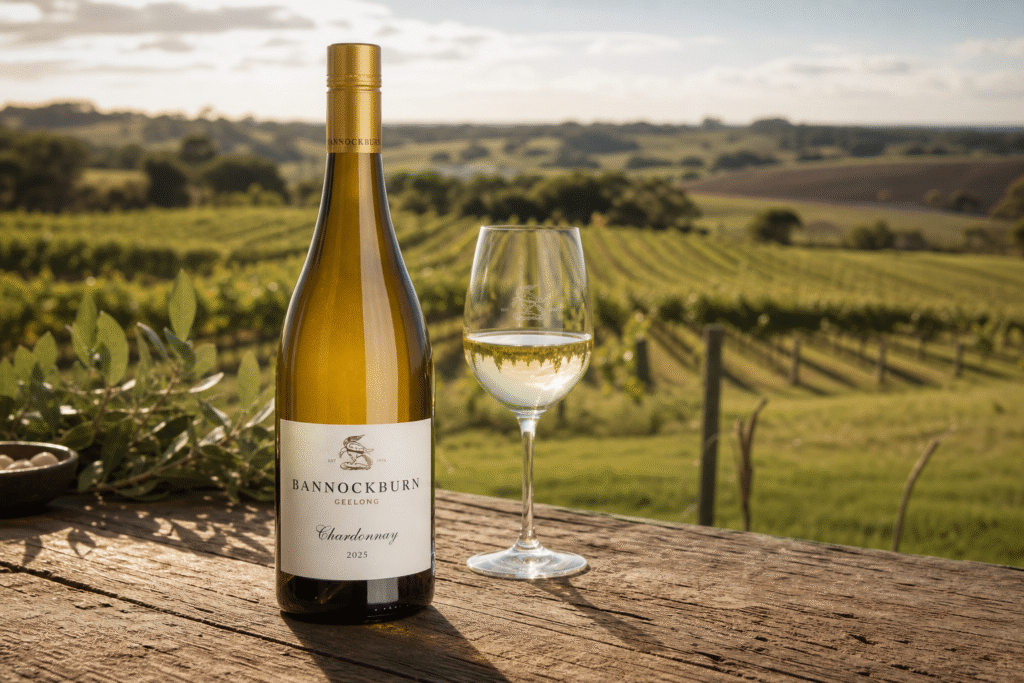
Geelong has become one of the quiet overachievers of Australian Chardonnay. Where some regions trade on big reputations and louder marketing, Geelong works differently. It offers a distinctive mix of coastal influence, limestone and volcanic soils, and a long growing season that together shape wines of remarkable tension and depth. For drinkers who regularly buy Chardonnay online in Australia, understanding what makes this corner of Victoria so special can transform how they read a label and what they choose to open.
Geelong wine region and Chardonnay
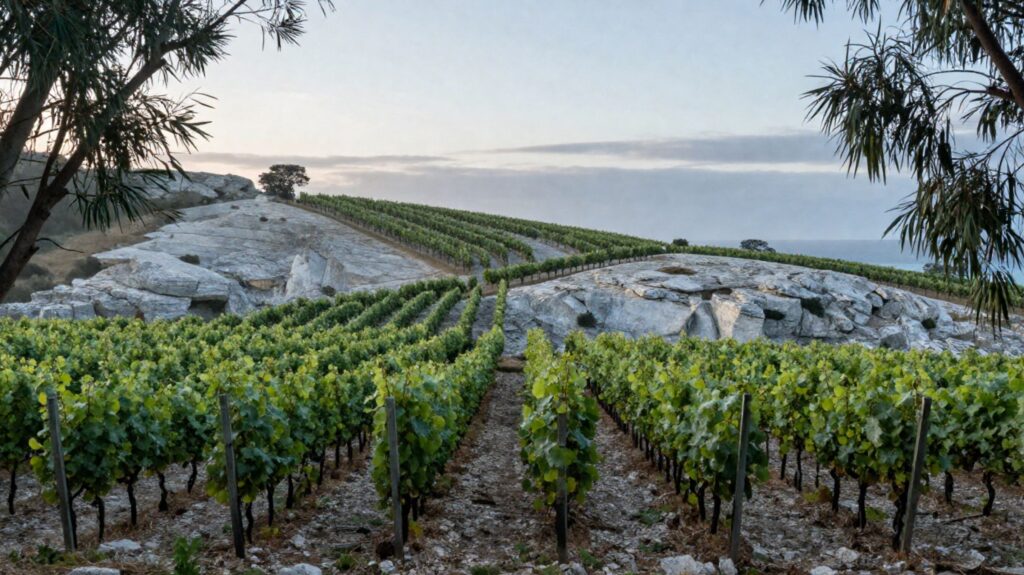
Geelong sits to the south‑west of Melbourne, wrapped around Corio Bay and opening towards the Bellarine Peninsula and Surf Coast. This position is more than a point on a map. The region channels cold Southern Ocean winds and salt‑tinged air inland, creating growing conditions that look far more like a cool European coastal region than a sun‑drenched Australian cliché. Summers are relatively moderate, autumns are long and dry, and diurnal swings between daytime warmth and night‑time chill are significant.
For Chardonnay, that combination is gold. The variety thrives where it can ripen slowly, building flavour without losing acidity. In Geelong, the season is typically extended enough for grapes to reach physiological ripeness whilst still retaining a core of fresh, almost saline drive. That is why so many producers from the Moorabool Valley to the Bellarine Peninsula talk about line and length when they discuss their Chardonnay; the structure is written into the climate.
Limestone, basalt and the taste of the ground
One of the under‑appreciated strengths of Geelong is its geological diversity. Much of the inland Moorabool Valley sits on ancient marine sediments and pockets of limestone, while other sites show darker, basalt‑derived soils from long‑dormant volcanic activity. For Chardonnay, these differences are not academic. They change everything from root penetration and water‑holding capacity to mineral uptake and, ultimately, flavour profile.
Limestone‑rich soils tend to give wines a sense of firmness and chalky precision. Drinkers often report characters reminiscent of crushed rock, sea spray or a fine, pithy bitterness that keeps richer fruit flavours in check. Basalt and heavier clays, on the other hand, can contribute to texture and mid‑palate weight. When a producer skilfully blends fruit across these soil types, the resulting Chardonnay can feel simultaneously taut and generous, with citrus and stone fruit riding on a fine mineral spine.
Cool-climate viticulture and meticulous farming
The cool‑climate story in Geelong does not stop at latitude and wind. It continues in the vineyard, where growers have learned to work with low vigour, careful canopy management and low yields to coax concentration from relatively marginal conditions. Vines often experience stress late in the season, which, handled correctly, can intensify flavour and thicken skins without tipping fruit into over‑ripeness.
Many of the leading Chardonnay sites in Geelong are now farmed with a strong emphasis on soil health and biodiversity. Cover crops, compost usage and minimal synthetic inputs help preserve the microbial life on which vine resilience depends. This attention to detail shows up in the glass as clarity rather than noise: fruit flavours that are pure, acidity that feels integrated rather than clipped on, and a sense that nothing is out of place. For readers who like to compare Australian Chardonnay wines online, these viticultural choices explain why certain Geelong labels consistently taste more composed and complete than their peers.

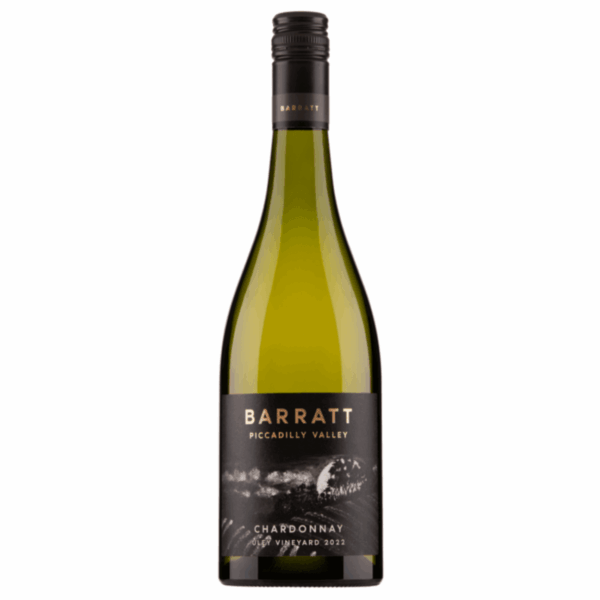 $37.33
/ bottle
$224.00 for a case of 6
$37.33
/ bottle
$224.00 for a case of 6
 $24.83
/ bottle
$149.00 for a case of 6
$24.83
/ bottle
$149.00 for a case of 6
Hay Shed Hill Vineyard Series Morrison's Gift Chardonnay /
Shipped by
Wines Australia
$24.83
/ bottle
$149.00 for a case of 6
 $47.67
/ bottle
$286.00 for a case of 6
$47.67
/ bottle
$286.00 for a case of 6
McHenry Hohnen Laterite Hills Chardonnay
Shipped by
Wine Cellars
$47.67
/ bottle
$286.00 for a case of 6
 $32.75
/ bottle
$393.00 for a case of 12
$32.75
/ bottle
$393.00 for a case of 12
Freycinet Wines Louis Chardonnay /
Shipped by
Wines Australia
$32.75
/ bottle
$393.00 for a case of 12


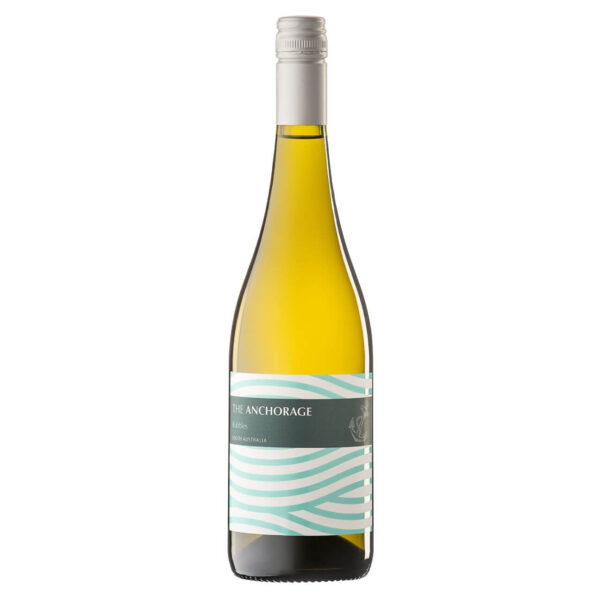 $10.67
/ bottle
$128.00 for a case of 12
$10.67
/ bottle
$128.00 for a case of 12
The Anchorage Bubbles NV
Shipped by
Vintage House Wine & Spirits
$10.67
/ bottle
$128.00 for a case of 12
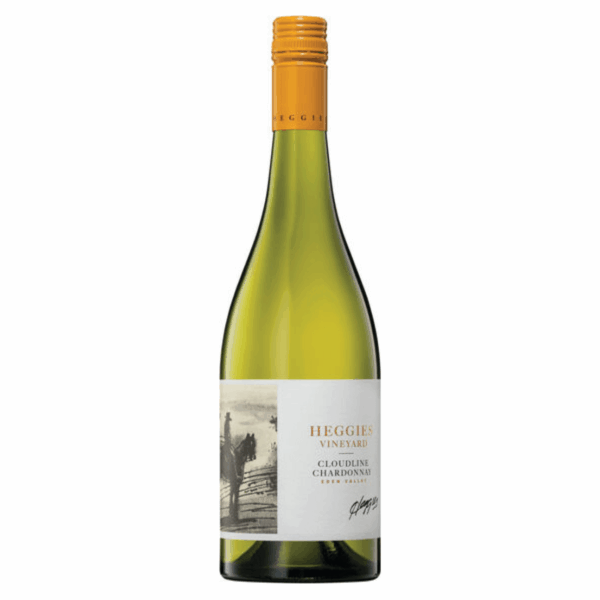 $23.33
/ bottle
$140.00 for a case of 6
$23.33
/ bottle
$140.00 for a case of 6
 224 pts
 Winemaking choices that enhance, not mask, the region
Geelong’s best Chardonnay producers tend to share a similar philosophy in the cellar. Fruit is typically handpicked at moderate potential alcohol, then whole‑bunch pressed to preserve delicacy. Fermentation in French oak is the norm, with a relatively restrained proportion of new barrels. The goal is not to plaster on flavour, but to frame what the vineyard has already given.
Wild fermentations are common, bringing subtle savoury and flinty nuances that complement, rather than dominate, citrus and stone fruit. Many winemakers allow full or near‑full malolactic conversion, softening acidity into a creamy, integrated line, but they balance this with time on lees, often with minimal stirring. The result is a mouthfeel that is silky rather than buttery, carrying notes of nougat, hazelnut and freshly baked pastry without sliding into heaviness. These stylistic choices are part of what makes Geelong such fertile ground for those who are trying to find top-rated Chardonnay white wines with both immediate charm and serious structure.
Signature flavour profile of Geelong Chardonnay
Describing a “typical” Geelong Chardonnay is always risky, because sub‑regions and individual sites show such strong personalities. Yet some common threads appear again and again. Aromatically, many wines sit in a band that stretches from lemon pith, grapefruit and white nectarine through to riper yellow peach in warmer years. Layered over this, there is often a subtle savoury overlay: struck flint, sea spray, sourdough crumb or roasted nuts.
On the palate, the best examples combine a sense of density with a linear, almost saline finish. Texturally, they feel coiled rather than fat, with acidity carrying flavours long after each sip. One of the reasons collectors gravitate towards Geelong as they buy popular Chardonnay brands online is this duality. The wines can be opened young for their brightness and tension, yet they also have the stuffing to evolve, gaining honeyed, hazelnut and toast notes with time in the cellar while retaining freshness.
Positioning Geelong against other Australian Chardonnay regions
Australia’s Chardonnay landscape is crowded with regions that justifiably command attention, from Margaret River and its powerful, sea‑sprayed styles to the high‑altitude finesse of the Yarra Valley and Tasmania. Geelong does not shout as loudly, but it offers something distinct. Its wines are usually more savoury than the average Margaret River bottling, with a cooler, slightly more herbal edge. Compared to many Yarra Valley wines, Geelong can feel a shade more concentrated through the mid‑palate, thanks in part to its combination of limestone and clay.
For drinkers who like to compare Australian Chardonnay wines online, tasting across these regions reveals just how useful Geelong can be as a reference point. Line up a serious Geelong bottle beside a top Margaret River and a leading Tasmanian wine and the conversation quickly turns to texture, acidity shape and the specific kind of minerality each region delivers. In that discussion, Geelong often emerges as the middle path: neither as overtly powerful as some West Australian wines nor as racy and linear as the coldest Tasmanian examples, but offering a balance that feels very much its own.
Food matches that showcase Geelong’s strengths
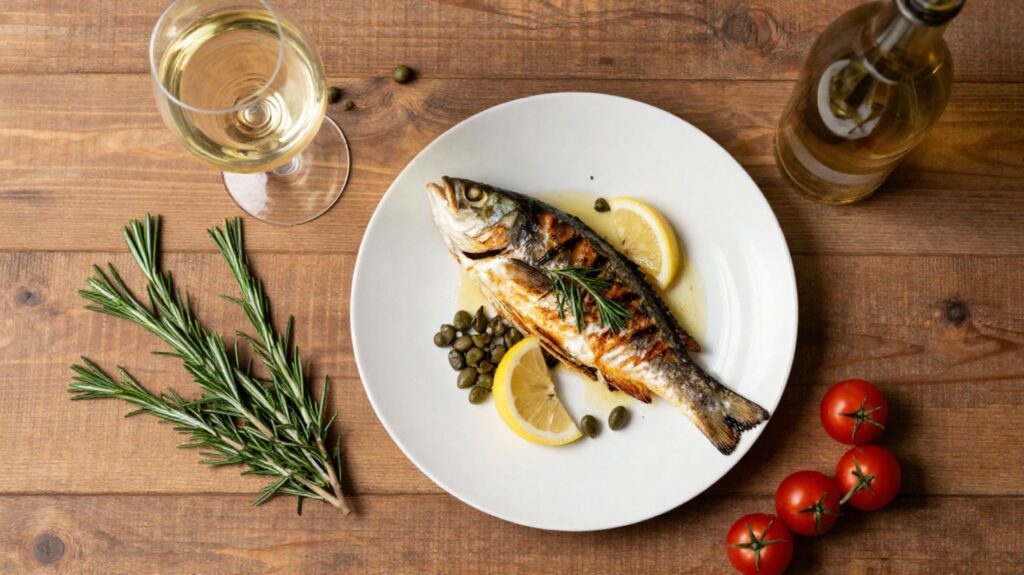
Geelong Chardonnay is particularly adept at handling dishes that might overpower lighter whites or be smothered by richer, oakier styles. The natural acidity and savoury nuance make it a superb partner for shellfish and simply grilled fish, especially where lemon, butter and herbs are involved. The saline streak that runs through many wines seems tailor‑made for oysters, scallops and prawns.
At the same time, the texture and gentle nuttiness created by lees ageing and oak give these wines enough weight to stand up to roast chicken, pork with crackling, and even richer vegetarian dishes based on mushrooms, root vegetables and cream sauces. For Australian households who order Chardonnay wine with Australia-wide delivery, Geelong styles can become remarkably versatile “house whites”, equally at home with weeknight dinners and more elaborate weekend meals.
Cellaring potential and how Geelong Chardonnay ages
One of the most compelling reasons serious drinkers have turned their attention to Geelong is how well the wines age. The best bottlings from leading producers have shown a graceful, steady evolution over a decade or more. In youth, they emphasise citrus, stone fruit and flint; with time, these elements shift towards grilled lemon, baked apple, hazelnut praline and a more pronounced savoury complexity.
Importantly, the underlying acidity rarely disappears. Even at ten or fifteen years of age, well‑stored bottles can retain a line of freshness that keeps them from feeling tired or flat. For collectors who routinely find top-rated Chardonnay white wines and put them away, Geelong now ranks alongside Australia’s most reliable sources of cellar‑worthy Chardonnay. The combination of cool climate, careful picking decisions and restrained winemaking builds in the structural components that long life demands.
Why Geelong should be on every serious Chardonnay drinker’s radar
For many Australian drinkers, Geelong still flies under the radar compared to more heavily marketed regions. Yet the factors that matter most to quality are firmly in place. The climate is genuinely cool, moderated by ocean influence and extended growing seasons. The soils, ranging from limestone and marine sediments to basalt and clay, give wines a clear mineral accent and textural depth. Viticulture has become increasingly attentive and sustainable, and winemakers have learned to let the region speak rather than imposing heavy‑handed styles.
In practical terms, that means anyone who likes to buy Chardonnay online in Australia has an opportunity. Geelong remains a source of wines whose quality sometimes exceeds their current fame. Whether the goal is to stock an everyday selection that works seamlessly with food or to build a small collection of bottles capable of evolving over a decade, this region more than earns its place on the shortlist. The cool‑climate edge that shapes Geelong Chardonnay is not a marketing slogan; it is the lived reality of the place, captured and bottled, waiting patiently for a corkscrew.




 Shiraz
 Cabernet Sauvignon
 Pinot Noir
 Grenache
 Merlot
 Red Wine Blends
 Chardonnay
 Riesling
 Pinot Gris
 Semillon
 Viognier
 Grenache Rosé
 Pinot Noir Rosé
 Shiraz Rosé
 Sangiovese Rosé
 Aglianico Rosé
 Clairette Rose
 Champagne
 Prosecco
 Sparkling Shiraz
 Blanc de Blanc
 Blanc de Noir
 Pet Nat
 Moscato
 Topaque
 Port
Port Sherry (dry & sweet)
 Muscat & Tokay
 Vermouth