 0473 644 098 · Mon–Fri 9am–5pm AESTHelp & FAQ


Langmeil High Road Chardonnay 2024 Review: Eden Valley Barossa Chardonnay For Modern Palates

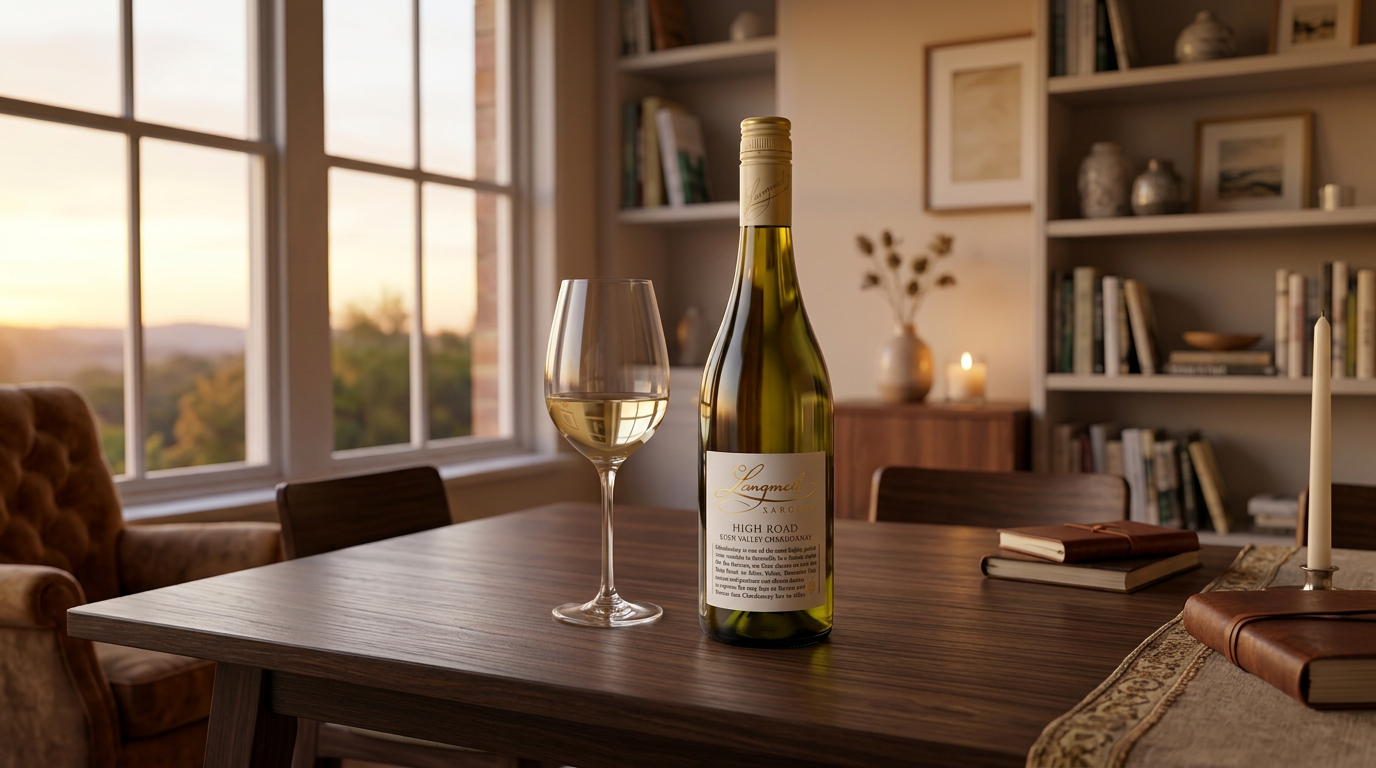
Langmeil High Road Chardonnay 2024 shows that Barossa’s whites can offer as much interest as its celebrated reds, especially when fruit from the higher, cooler Eden Valley is allowed to shine. This is Chardonnay aimed at drinkability and detail rather than oak bombast, a style that fits neatly into contemporary Australian expectations when they set out to buy Chardonnay wine with freshness and texture in mind.
Langmeil High Road Chardonnay 2024: first impressions in the glass
Langmeil describes Langmeil High Road Chardonnay 2024 as opening with an inviting, fresh aroma of citrus, peach, tropical fruit and even a cool note of cucumber, with a touch of marzipan complexity. That immediately places it in the modern, fruit‑driven camp rather than the old‑school, heavily buttery mould, although there is still clear evidence of thoughtful barrel work. On the palate, distributor notes emphasise hints of nutty and creamy barrel‑ferment characters alongside a zesty finish, balanced by lovely texture, some minerality and zingy acidity.
Consumer descriptions of earlier vintages echo this picture: medium‑bodied, well balanced, with citrus, grapefruit and lemon notes over subtle oak, butter and vanilla, all wrapped in a creamy yet not heavy frame. Taken together, these accounts suggest that Langmeil High Road Chardonnay 2024 offers ripe stone fruit and tropical hints, but keeps its line and energy through bright acidity and restrained, integrated oak. This is the sort of profile that suits Australian drinkers who want generosity of flavour without losing the ability to refresh the palate over a long lunch.
Barossa and Eden Valley: where this Chardonnay comes from
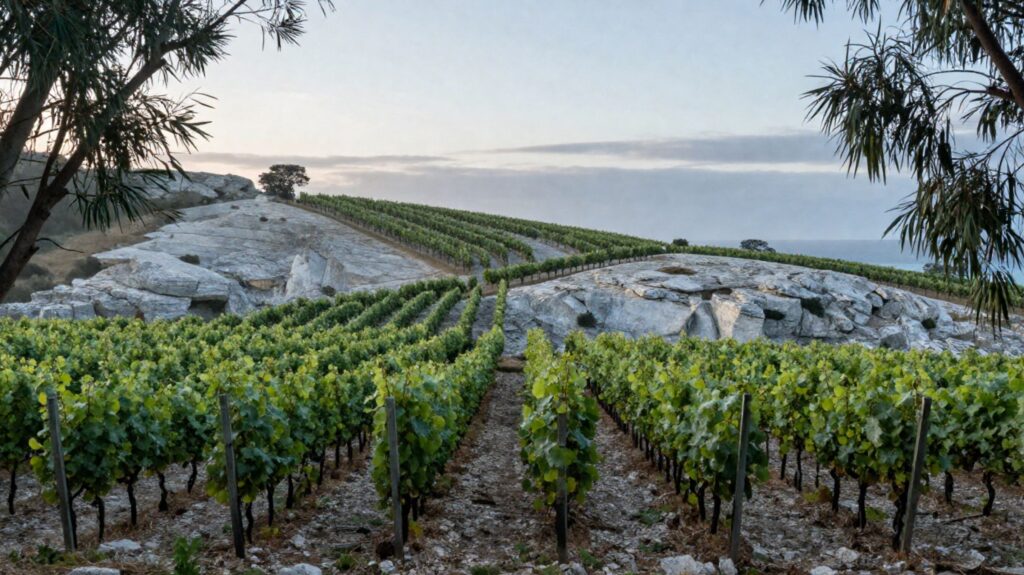
Although Langmeil is based in Tanunda in the heart of the Barossa Valley, High Road Chardonnay is sourced from the higher, cooler slopes of Eden Valley, the Barossa’s elevated subregion. Eden Valley sits above the main valley floor, with higher altitude, cooler nights and a slightly later ripening window, conditions that allow white varieties such as Chardonnay and Riesling to retain acidity and develop more nuanced aromatics. Wine Australia notes that across Barossa’s combined Barossa Valley and Eden Valley zones, white grapes like Chardonnay rank among the top varieties grown, even if red wines dominate the region’s reputation.
The Barossa more broadly is one of Australia’s most historic wine regions, with a vine and wine history stretching back to the 1840s and more than 150 wineries now operating across its villages and hills. While Barossa Valley itself is famous for rich Shiraz, Grenache and Mataro, Eden Valley quietly supplies much of the region’s more lifted, acid‑driven whites, and producers like Langmeil lean on these vineyards when they want to build whites with drive and finesse. Langmeil High Road Chardonnay 2024 therefore reflects a classic Barossa combination: Eden Valley fruit bringing perfume and line, handled by a long‑established valley‑floor estate with deep experience in balancing richness and freshness.
Taste profile: oak, texture and acidity
Readers searching “Langmeil High Road Chardonnay 2024 review” usually want to know where it sits on the spectrum between lean and opulent. Everything published about the style points to a wine that threads the needle between fruit purity and measured oak complexity. The citrus, peach and tropical notes are joined by marzipan and nuttiness from barrel ferment, which brings a gentle creaminess without overwhelming the fruit. The mention of cucumber in the official aroma description is telling; it hints at a cool, fresh undertone that keeps the nose from drifting into confection.
On the palate, High Road is framed as medium‑bodied with some creamy texture and minerality, but crucially supported by zingy acidity and a zesty, almost citrus‑pith finish. Wine‑searcher’s summary categorises the style as “White – Buttery and Complex”, yet food‑pairing suggestions such as mushrooms and richer dishes underline that this is complexity built on balance, not blunt richness. For many Australian drinkers wanting to buy Chardonnay wine that can move from aperitif to main course without tiring the palate, this combination of stone fruit, subtle oak, nutty detail and crisp finish sits in a very comfortable spot.
Featured Wines
Langmeil High Road Chardonnay 2024 (6 Bottles) Eden Valley, SA
Add to Cart
$27.00
/ bottle
$162.00 for a case of 6
Langmeil Jackaman’s Cabernet Sauvignon 2023 (6 Bottles) Barossa Valley, SA
Add to Cart
$69.83
/ bottle
$419.00 for a case of 6
Langmeil Live Wire Riesling 2025 (6 Bottles) Barossa Valley, SA
Add to Cart
$23.83
/ bottle
$143.00 for a case of 6
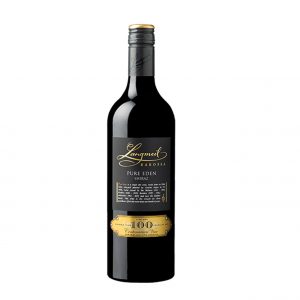
Langmeil Pure Eden Shiraz 2021 (6 Bottles) Barossa Valley, SA
Add to Cart
$157.00
/ bottle
$942.00 for a case of 6
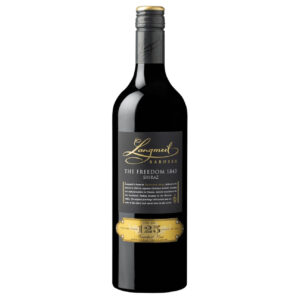
Langmeil The Freedom 1843 Shiraz 2023 (3 Bottles) Barossa Valley, SA
Add to Cart
$160.33
/ bottle
$481.00 for a case of 3
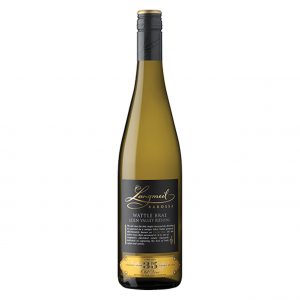
Langmeil Winery Wattle Brae Eden Valley Riesling 2025 (6 Bottles) Barossa Valley, SA
Add to Cart
$30.00
/ bottle
$180.00 for a case of 6
Food pairings: what Langmeil High Road Chardonnay 2024 does well at the table
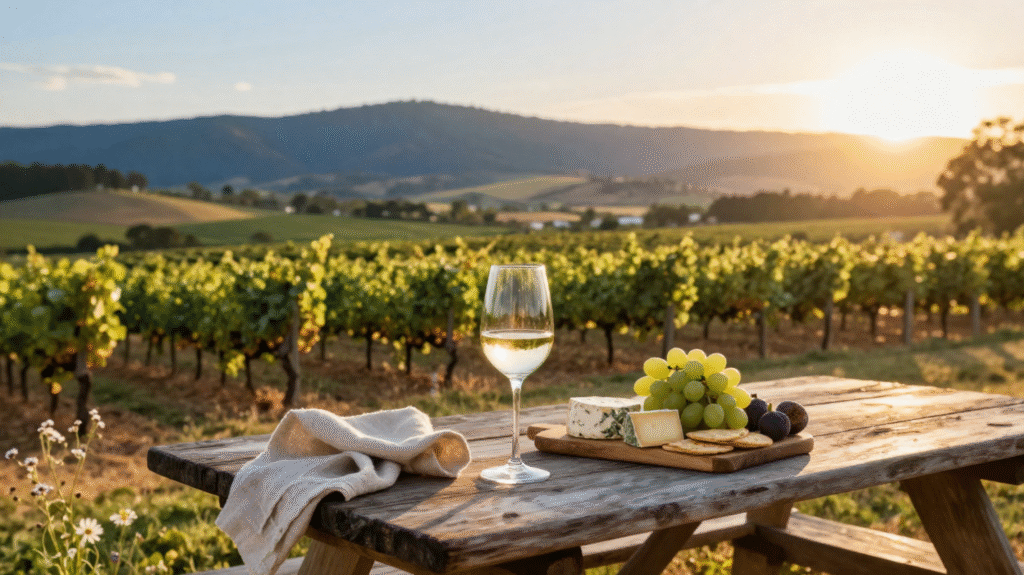
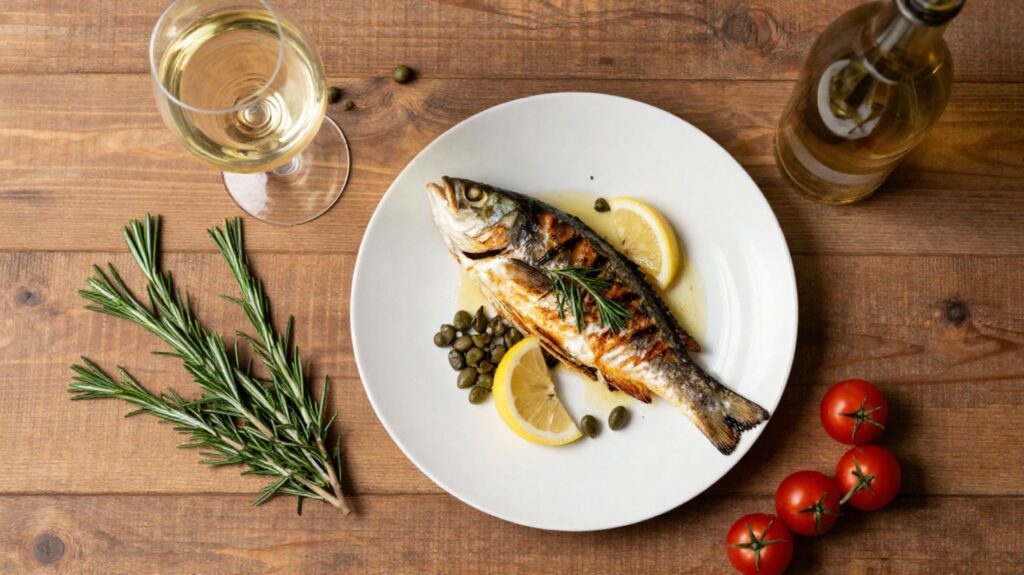
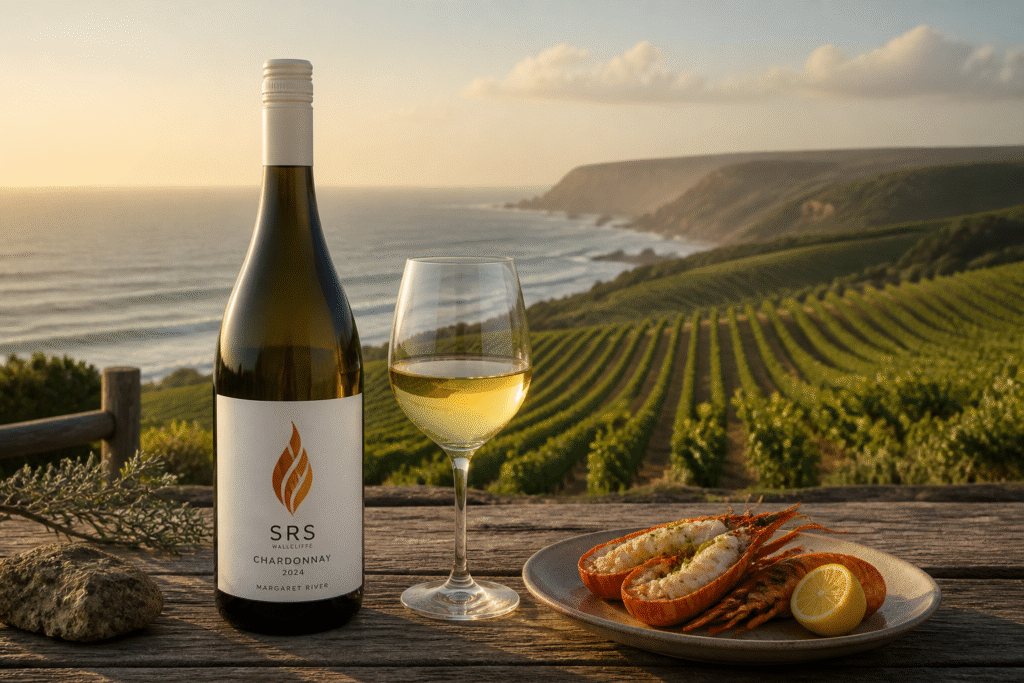
The flavour set of Langmeil High Road Chardonnay 2024 makes it one of those Barossa whites that can handle a broad range of food without losing its identity. The citrus and stone‑fruit core, combined with zesty acidity, works brilliantly alongside roast chicken, grilled spatchcock or pork loin, especially when there is a lemon and herb dimension in the seasoning. The creamy, nutty barrel notes make the wine comfortable with richer textures: think mushroom risotto, pan‑seared gnocchi with brown butter and sage, or even grilled lobster with garlic butter, where the wine’s acidity cuts through the richness while the oak echoes the browned flavours.
Barossa’s own food culture, with its emphasis on hearty country dishes, slow‑roasted meats and generous hospitality, gives plenty of local contexts in which this Chardonnay feels at home. At a Barossa table groaning under platters of roast poultry, warm vegetable salads and soft cheeses, Langmeil High Road Chardonnay 2024 can function as the all‑rounder white: structured enough for main courses, approachable enough for casual sharing. It is precisely the sort of bottle someone might reach for when they buy Chardonnay wine intending to open just one white and rely on it to carry the meal.
Langmeil Winery: heritage and approach
Langmeil Winery occupies one of the Barossa’s most historic sites, with some of the world’s oldest continuously producing Shiraz vines forming part of its vineyard holdings. While the estate is best known for reds such as Valley Floor Shiraz and Fifth Wave Grenache, its white wines, including High Road Chardonnay, sit within a portfolio designed to showcase Barossa’s diversity beyond the obvious. Trade descriptions highlight Langmeil’s focus on balance and drinkability, often noting that even the mid‑tier wines are crafted to be reliable and food‑friendly.
The High Road label fits that brief neatly. Positioned as an Eden Valley‑sourced Chardonnay with enough oak influence to please classicists but enough freshness to match current tastes, it reflects the estate’s interest in modernising without abandoning Barossa’s sense of generosity. That balance explains why earlier vintages attract solid critical attention, with The Real Review tracking the label across multiple years as a consistent South Australian Chardonnay. Langmeil High Road Chardonnay 2024 continues this trajectory, offering a recognisably Barossa white wine that neither chases razor‑edged minimalism nor wallows in excess.
Why Langmeil High Road Chardonnay 2024 matters for Barossa whites
Barossa’s reputation has always tilted towards red wine, yet bottles like Langmeil High Road Chardonnay 2024 quietly support a more nuanced story. They show that Eden Valley fruit and careful winemaking can deliver Chardonnay with real character: citrus and white peach, nutty complexity, mineral undertones and a clean, zesty finish. For Australian drinkers used to looking to Margaret River or the Yarra Valley for their Chardonnay benchmarks, this wine is a reminder that Barossa and Eden Valley still deserve a place in that conversation.
As tastes continue to shift towards balanced, food‑friendly whites, Langmeil High Road Chardonnay 2024 stands as a compelling option from a region better known for its reds. It gives those who buy Chardonnay wine an opportunity to explore a Barossa‑Eden expression that respects tradition while speaking fluently to contemporary palates, making it a smart bottle to pull from the rack when the menu calls for both richness and refreshment.
 Shiraz
 Cabernet Sauvignon
 Pinot Noir
 Grenache
 Merlot
 Red Wine Blends
 Chardonnay
 Riesling
 Pinot Gris
 Semillon
 Viognier
 Grenache Rosé
 Pinot Noir Rosé
 Shiraz Rosé
 Sangiovese Rosé
 Aglianico Rosé
 Clairette Rose
 Champagne
 Prosecco
 Sparkling Shiraz
 Blanc de Blanc
 Blanc de Noir
 Pet Nat
 Moscato
 Topaque
 Port
Port Sherry (dry & sweet)
 Muscat & Tokay
 Vermouth