 0473 644 098 · Mon–Fri 9am–5pm AESTHelp & FAQ


Screw Caps vs Corks: How Australia Changed the Rules on Wine Closures

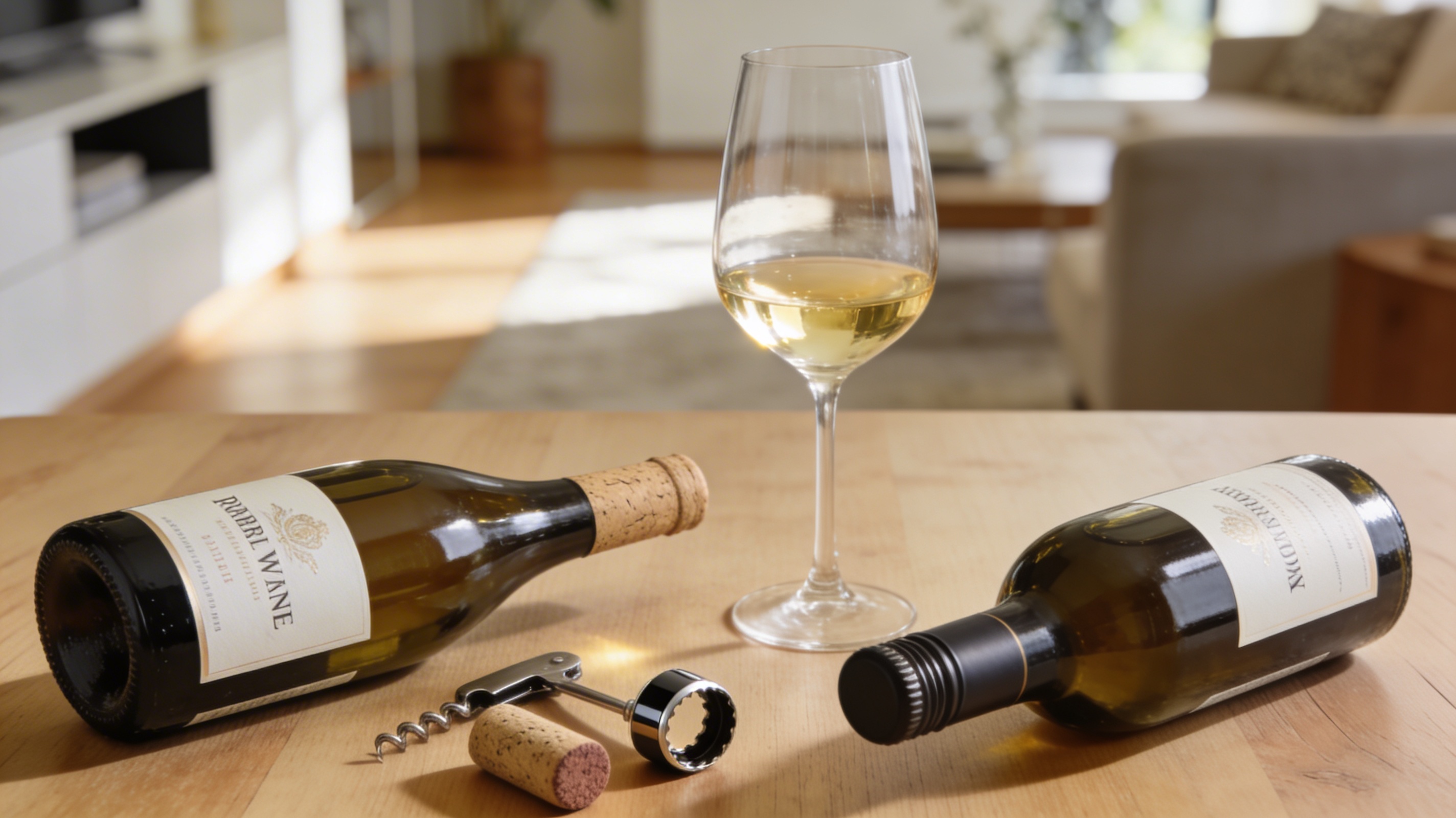
Wine closures sound like a tiny detail, but they sit at the heart of one of the biggest debates in modern wine: cork versus screw cap. If someone is new to the industry, this can feel confusing very quickly, so it helps to strip it right back.
What this debate is actually about
Every bottle needs a closure: something to seal the neck, keep the wine in, and stop too much air getting involved. For centuries that closure was almost always natural cork, punched from the bark of cork oak trees, especially from Portugal and Spain. In the second half of the twentieth century, metal screw caps appeared as a serious alternative, particularly once the Stelvin screw cap system was developed and tested from the 1960s onward.
The debate is not simply “old versus new” or “cheap versus expensive.” It is really about three key questions: how reliably the closure protects the wine from faults, how the wine develops as it ages, and how people emotionally respond to the ritual of opening the bottle.
Why we even needed a new closure
The main technical problem with natural cork is something called cork taint. This is usually caused by a chemical called TCA (2,4,6‑trichloroanisole), which can make the wine smell like wet cardboard, a damp cellar or a soggy dog. Even at very low levels, TCA can strip out fruit flavour and leave a dull, musty wine that nobody wants to drink. Various studies and industry estimates have put the rate of cork‑tainted bottles at around 1–2 percent or more, which means a lot of spoilt bottles over a year.
By the late twentieth century, as global wine production grew and consumers became more quality‑focused, that level of wastage became harder to accept. Winemakers, especially in places like Australia and New Zealand, wanted a closure that reduced faults and gave more consistency from bottle to bottle. Screw caps arrived as a clean, reliable answer to that problem.
Cork: how it began and why it stayed so long
Natural cork took off because it did several things very well in the days before modern materials. Cork is elastic, compressible and naturally water‑resistant, so it can be pushed into the neck of a bottle, expand to form a tight seal, and still allow tiny amounts of oxygen to pass through over time. That slow oxygen transfer seems to help some wines, particularly age‑worthy reds and complex whites, develop more savoury, tertiary characters (things like dried fruits, nuts and leather) as they age.
Cork also built up a powerful cultural story. The sound of a cork being pulled from a bottle became associated with celebration and “proper” wine. Traditional fine wine regions, particularly in Europe, reinforced this idea, and collectors often saw cork as part of the prestige package. For a long time, there simply was no serious alternative that matched cork’s flexibility, seal and availability.
 $60.00
/ bottle
$180.00 for a case of 3
$60.00
/ bottle
$180.00 for a case of 3
Payten and Jones Fot-li Vermut Antiga
Shipped by
Payten and Jones
$60.00
/ bottle
$180.00 for a case of 3


 $80.42
/ bottle
$965.00 for a case of 12
$80.42
/ bottle
$965.00 for a case of 12
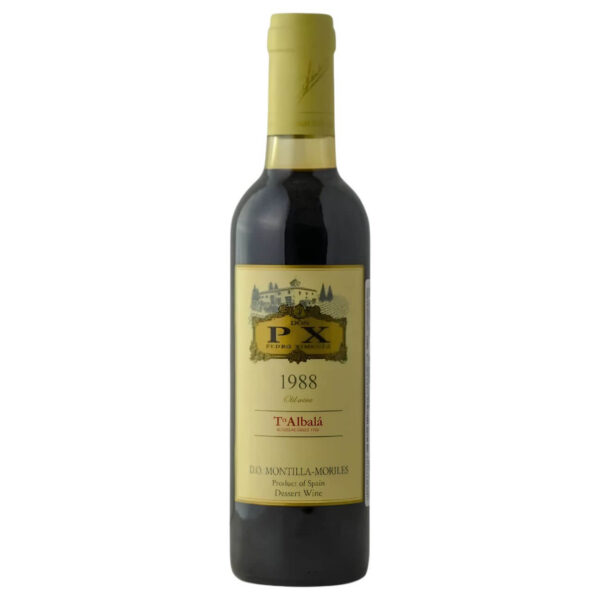
Toro Albala Don PX Gran Reserva 375ml
Shipped by
Fine Wine Cellars
$80.42
/ bottle
$965.00 for a case of 12

 $138.00
/ bottle
$414.00 for a case of 3
$138.00
/ bottle
$414.00 for a case of 3
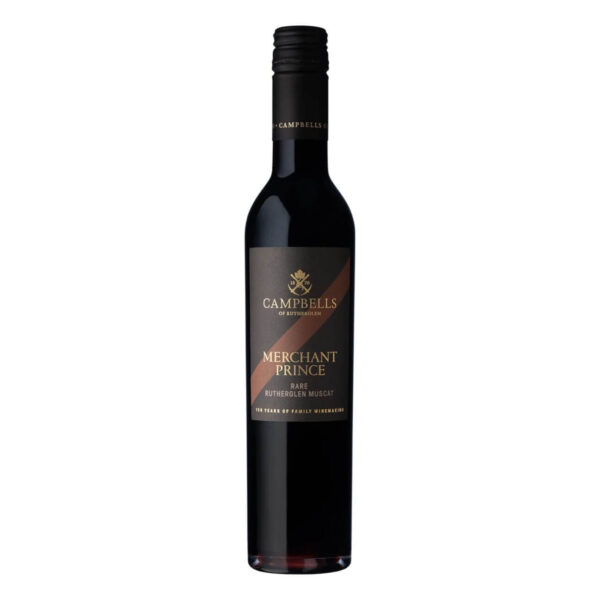
Campbells Merchant Prince Rare Muscat 375ml
Shipped by
Campbells of Rutherglen
$138.00
/ bottle
$414.00 for a case of 3

 $51.33
/ bottle
$308.00 for a case of 6
$51.33
/ bottle
$308.00 for a case of 6
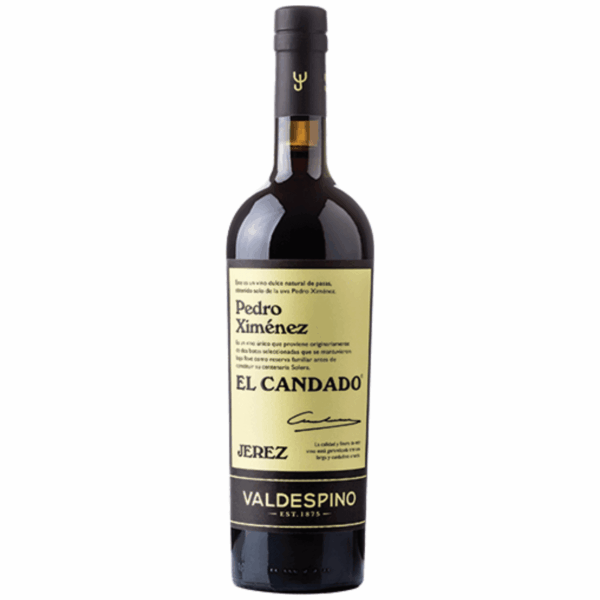
Valdespino Pedro Ximénez El Candado NV
Shipped by
Wines Australia
$51.33
/ bottle
$308.00 for a case of 6

 $61.00
/ bottle
$366.00 for a case of 6
$61.00
/ bottle
$366.00 for a case of 6
Toro Albala Poley Fino del Lagar 10 Años NV (500ml)
Shipped by
Fine Wine Cellars
$61.00
/ bottle
$366.00 for a case of 6
 $72.00
/ bottle
$72.00 for a case of 1
$72.00
/ bottle
$72.00 for a case of 1
 180 pts
 The early screw cap story, and why Australia jumped first
Screw caps for wine are not just any metal cap; they are engineered systems that include the aluminium cap and a specially designed liner inside that controls how much oxygen (if any) can move into the bottle over time. The modern Stelvin screw cap was first developed in the 1960s by the French company Le Bouchage Mécanique, with the first versions commercialised in the 1970s. Switzerland was one of the earliest adopters for its Chasselas wines, which were particularly vulnerable to cork faults.
Australia’s part of the story becomes crucial from the 1970s onward. Australian Consolidated Industries acquired the licence to manufacture Stelvin closures in 1970, and by the early 1970s, Australian wineries such as Yalumba and others began commercial trials. Later, from the late 1990s, Clare Valley Riesling producers and New Zealand winemakers pushed screw caps aggressively as a solution to cork taint and inconsistent ageing, forming initiatives that encouraged widespread adoption.
Today, it is estimated that around 90 percent of wines bottled in Australia and New Zealand use screw caps, which makes these countries world leaders in normalising this closure at all price points, including serious, cellar‑worthy wines.
What cork does well
For many traditional producers, natural cork still offers important advantages. Properly made, high‑quality corks can provide a good long‑term seal and allow controlled oxygen ingress, which can be beneficial for wines designed to age for decades. Tasters who compare the same wine under different closures sometimes find cork‑sealed bottles show a slightly more evolved, complex profile after many years, which some people prefer.
Cork is also biodegradable and based on a renewable resource, since cork oak trees are not cut down when the bark is harvested. There is a whole rural economy around cork forests in Portugal and Spain, which adds a social and environmental dimension that many producers value. Emotionally, the ritual of cutting the foil, inserting the corkscrew and hearing that soft pop still matters to a lot of wine drinkers.
The downside, of course, is variability. Even with modern quality controls, natural cork is not perfectly consistent, and some level of cork taint or random oxidation still shows up. That means two bottles from the same case can age differently, which can be charming for some enthusiasts but extremely frustrating for winemakers and consumers who want reliability.
What screw caps do well
Screw caps, by contrast, offer highly consistent performance. They create a very tight seal and are excellent at protecting wine from unwanted oxygen exposure and from external contamination, which dramatically reduces the risk of oxidation and closure‑related faults. For fresh, aromatic whites and light to medium‑bodied reds that are meant to be drunk within a few years of bottling, screw caps preserve fruit character and crispness extremely effectively.
They also win on convenience. Screw‑capped bottles are easy to open and reseal, they travel well, and there is no need for a corkscrew or fear of breaking the cork. From a producer’s perspective, screw caps can be more cost‑effective and remove a large chunk of quality risk over thousands or millions of bottles. That is one reason so many Australian and New Zealand wineries adopted them across their ranges, not just on entry‑level wines.
The criticism often levelled at screw caps is about ageing potential. Some worry that a near‑airtight seal might prevent wines from developing the same complexity as cork‑sealed bottles over twenty or thirty years, or might keep them in a kind of “suspended animation.” The reality is nuanced: long‑term comparative data is still being gathered, and modern screw caps can be manufactured with different liners that allow controlled oxygen ingress, which means producers can tailor the closure to the wine’s intended lifespan.
Where the science stands right now
Researchers and winemakers who have tasted the same wines under both cork and screw cap over time generally agree on a few points. First, screw‑capped wines are much less likely to be faulty due to the closure; many producers report almost no closure‑related returns on screw‑capped bottles, compared with regular issues under cork. Second, wines under screw cap tend to retain fresher fruit aromas and higher perceived acidity over the first several years, whilst some cork‑sealed bottles show more oxidative development and variation between bottles.
What is less settled is the very long term (decades rather than years). Some tasters still prefer what they see as the more complex evolution of great wines under top‑quality cork, but others find that carefully chosen screw caps can match or even outperform cork in keeping wines sound and age‑worthy. Australian and New Zealand producers are effectively running a live experiment on this, cellaring icon wines under screw cap and watching how they evolve over time.
Why Australia is seen as “getting it right”
From an industry point of view, what sets Australia apart is the willingness to adopt screw caps widely based on technical merit rather than tradition. By the early 2000s, many Australian producers, particularly in regions renowned for Riesling such as Clare and Eden, were vocal about their frustration with cork taint and made a collective shift to screw caps for top wines. This move signalled to consumers that a screw cap on an Australian bottle had nothing to do with cheapness and everything to do with quality control and respect for the wine.
The result is that Australian drinkers now think very differently about closures than many European consumers. In Australia and New Zealand, a screw cap on a premium wine feels completely normal, and a cork can sometimes even raise eyebrows. In much of Europe, the opposite instinct still lingers, although attitudes are changing as more producers experiment and publish the results.
So when someone says “Australia got it right before the rest of the world,” the point is that Australian wineries trusted the science early, prioritised reliability and freshness, and helped break the old assumption that serious wine must always be sealed with cork.








 Shiraz
 Cabernet Sauvignon
 Pinot Noir
 Grenache
 Merlot
 Red Wine Blends
 Chardonnay
 Riesling
 Pinot Gris
 Semillon
 Viognier
 Grenache Rosé
 Pinot Noir Rosé
 Shiraz Rosé
 Sangiovese Rosé
 Aglianico Rosé
 Clairette Rose
 Champagne
 Prosecco
 Sparkling Shiraz
 Blanc de Blanc
 Blanc de Noir
 Pet Nat
 Moscato
 Topaque
 Port
Port Sherry (dry & sweet)
 Muscat & Tokay
 Vermouth