 0473 644 098 · Mon–Fri 9am–5pm AESTHelp & FAQ


Turning Sips into Scores: A Curious Drinker’s Guide to the 100‑Point Wine Game

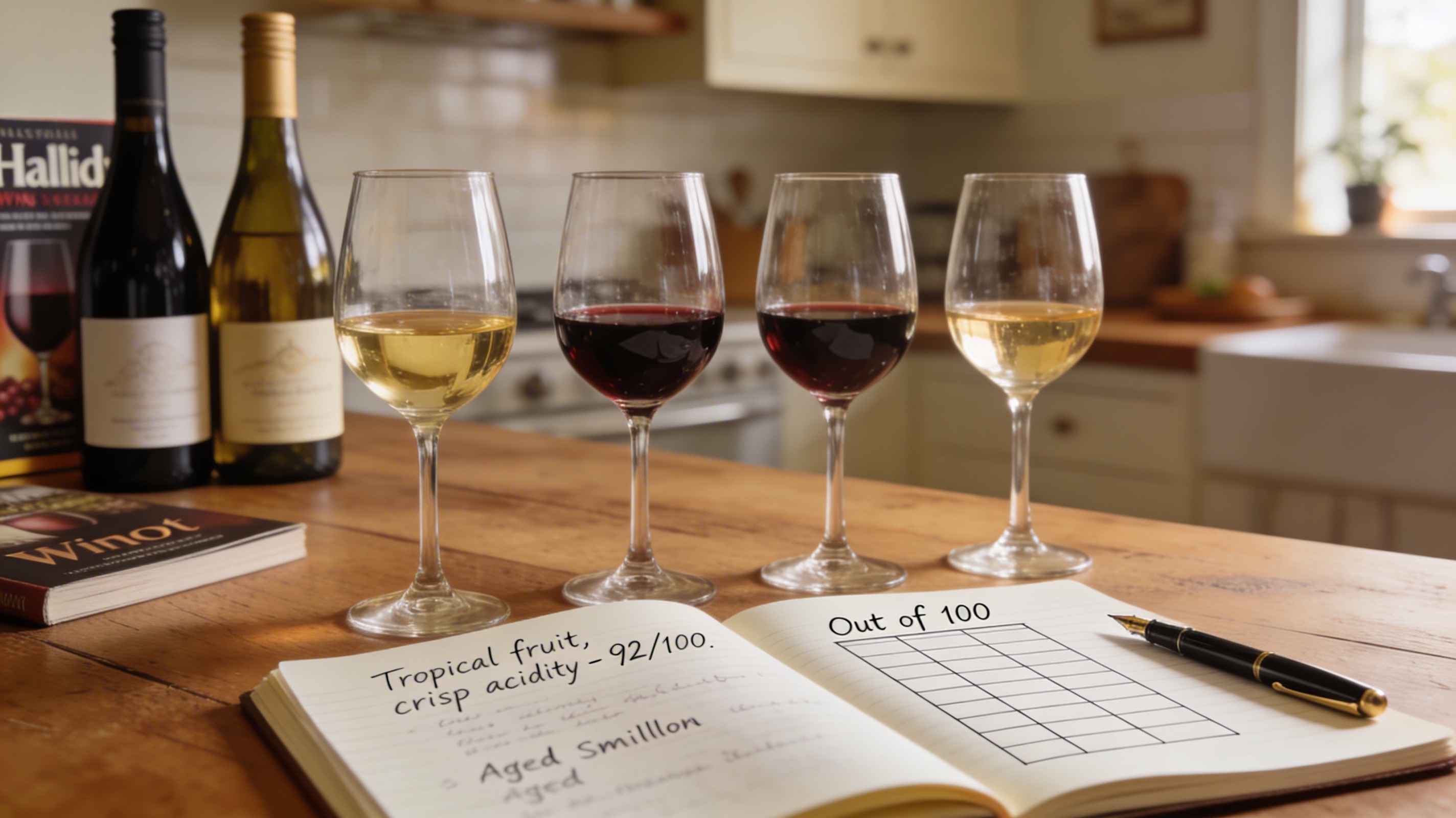
Most critics are using some version of a school report card: A to F quietly turned into 100 points, then wrapped in a lot of authority and a bit of mystique. The interesting bit is that any curious drinker can build a stripped‑back version at home that is both fun and surprisingly clarifying.
How the 100‑point idea actually came about
The modern points culture really crystallised with Robert Parker in the late 1970s, when he launched The Wine Advocate and wanted something that felt as intuitive as the American school grading system. Instead of stars or vague terms like “good” or “excellent”, he used 50–100 points so that a quick glance would tell readers whether a wine was worth chasing.
In Parker’s framework, wines effectively start at 50 points and then gain marks across colour, aroma, palate, and overall quality, ending up somewhere between 50 and 100. Other publications adopted similar scales, partly because it allowed them to publish hundreds of reviews in a neat, sortable way for time‑poor readers.
What those numbers actually mean on paper
Though each critic tweaks the language, the broad bands are remarkably similar worldwide. They usually read something like this:
-
50–59: Fundamentally faulty, effectively undrinkable in quality terms.
-
60–69: Technically drinkable but flawed or poor, not recommended.
-
70–79: Sound but simple, often with noticeable issues or lack of character.
-
80–89: From decent everyday wines up to very good, sometimes excellent; this is where most commercial wine lives.
-
90–95: Clearly superior wines, with balance, length and complexity that mark them out from the crowd.
-
96–100: Wines of rare class; critics tend to reserve this range for bottles they see as truly exceptional or even historic.
In the Australian context, the Halliday Wine Companion adopts this same 100‑point framework, using descriptions such as “Outstanding” for 95–96 and “Exceptional” for 97–99, often aligning those scores with gold‑medal level wines at serious shows. It is worth noticing that anything below the mid‑80s essentially disappears from marketing; technically “acceptable”, but not something most retailers are keen to trumpet.
Why a 92 from Halliday is not the same as a 92 from anyone else
Here is the crucial reality. A score only really has meaning when anchored to a specific palate and publication. A “95 points” from the Halliday Wine Companion reflects that tasting team’s sense of balance, varietal definition and regional authenticity, applied blind and using their own calibration. A “95” from a US publication or a retailer’s in‑house taster might come from a different set of priorities entirely, whether that is ripeness, oak, or sheer impact.
Jancis Robinson has described scores as a “necessary evil”, arguing that they are a crude way to communicate something as subtle and mutable as wine, yet still handy when people are looking for shortcuts in a crowded market. In interview, she has also pointed out that, at least in the UK, points have become less central, whilst in the US a low score can still kill a wine commercially, which says a great deal about how culturally charged a simple number can become.
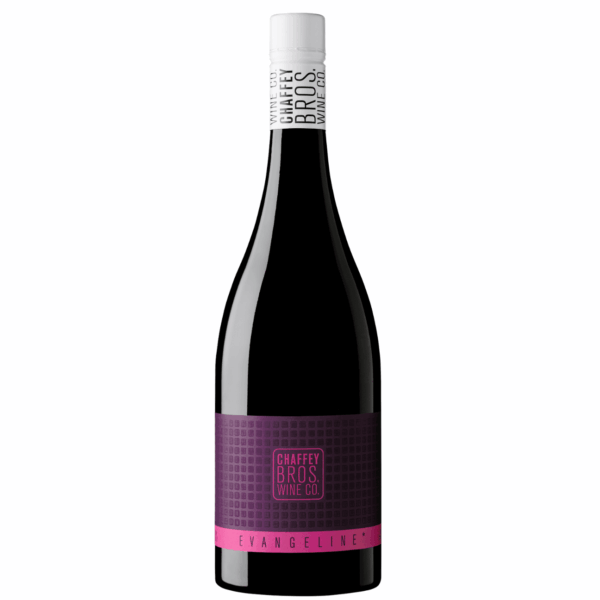
$38.83
/ bottle
$233.00 for a case of 6
 233 pts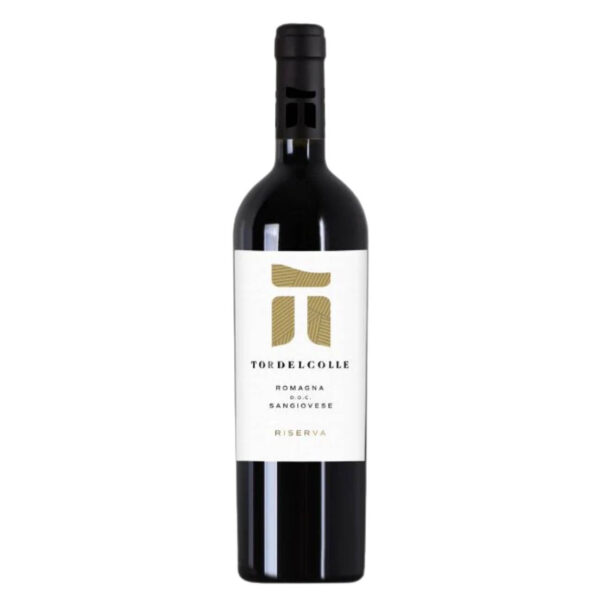
$32.83
/ bottle
$197.00 for a case of 6
$58.67
/ bottle
$352.00 for a case of 6
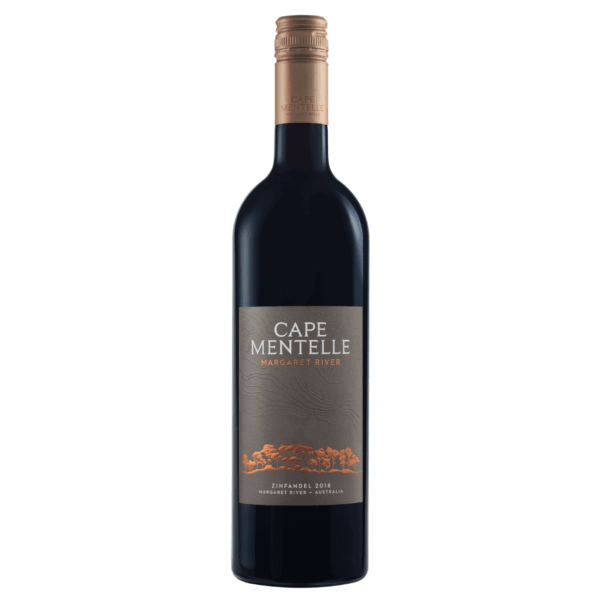
Cape Mentelle Zinfandel
$58.67
/ bottle
$352.00 for a case of 6

$25.17
/ bottle
$151.00 for a case of 6


$42.00
/ bottle
$252.00 for a case of 6

$31.17
/ bottle
$187.00 for a case of 6
What those points really do to a wine’s reputation
In the commercial world, scores function as accelerants. A high rating, especially from a globally recognised critic or guide, can sharply increase demand and pricing for a producer, sometimes overnight. Retailers and distributors know that a shelf‑talker shouting “96 points Halliday” or “98 points Robert Parker” can move stock quickly, particularly in busy Australian independent shops and chains.
The flip side is more subtle. Lower scores often never see daylight, and many wines simply go unrated, which quietly reinforces a belief that anything without a number is somehow lesser. Several critics have warned that this can narrow drinkers’ horizons; if everyone chases 95+ points in a handful of styles, quieter, more idiosyncratic wines (and regions) risk being overlooked entirely.
Building a home scoring system that actually works
Here is where things get interesting for ordinary drinkers. The value of the 100‑point model at home is not that it reveals an objective truth. It is that it forces close attention. A simple, structured, repeatable system can turn casual drinking into an informal masterclass.
A practical home framework can be built around four pillars that mirror professional approaches: appearance, aroma, palate and overall impression. One workable template (still using a 100‑point top line, because it is familiar) might look like this:
-
Base score: 50 points (any sound, drinkable wine starts here, just as in Parker’s original logic).
-
Appearance: up to 5 points (colour, clarity, consistency with style).
-
Aroma: up to 20 points (intensity, complexity, cleanliness; does it smell like what it is supposed to be?).
-
Palate: up to 20 points (balance of fruit, acidity, tannin, alcohol; texture; length of flavour).
-
Overall character: up to 5 points (distinctiveness, harmony, “do you want another glass?”).
This keeps the maths easy and aligns with the way many critics essentially carve up their own internal scales, even if they do not show all the sub‑scores publicly. Crucially, it leaves room for both technical assessment and personal pleasure; a wine might be perfectly made yet leave you unmoved, or slightly rustic but utterly charming.
How to run a simple tasting at home
A small group, three or four bottles, and some basic structure are all that is needed. Pour each wine into identical glasses, conceal the labels if possible, and taste in flights of similar style (for example, three South Australian Shiraz, or three Hunter Semillon of different ages). Professional shows and guides group wines similarly to avoid unfair comparisons across wildly different styles.
For each wine, everyone notes a quick description and then assigns their points for appearance, aroma, palate and overall impression, adding them to reach a total out of 100. This mirrors, in miniature, the way show panels and critics’ teams pool impressions before finalising a score. When the numbers are in, comparing notes often reveals the most instructive part: where tasters aligned, where they diverged, and which elements each person weighted most heavily.
Calibrating your own 90, 95 and 100 at home
One of the quiet secrets of professional scoring is calibration. A critic knows, instinctively, what a 90‑point wine feels like in their world, because they taste thousands of bottles every year and continually compare them. Home drinkers obviously will not replicate that volume, but they can still choose some reference points.
A useful exercise is to buy one or two wines that have well‑documented scores from a critic whose palate seems broadly aligned with Australian tastes, such as the Halliday Wine Companion tasting team, and then taste them blind alongside unscored bottles. Seeing where your own scores land relative to that benchmark helps anchor what “excellent” or “outstanding” means in your personal system, even if you ultimately decide to diverge.
When it comes to the very top of the scale, even professionals acknowledge that there is more emotion than science involved. One of Parker’s colleagues has written that he once described 100‑point wines as being roughly “90% about tasting quality and 10% about pure emotion”, an admission that even the highest number contains a human shiver of excitement. At home, it is entirely reasonable to reserve anything above, say, 96 points for those rare bottles that feel unforgettable, not just very good.
The limits of numbers, and why that matters for enthusiasts
Several leading critics and educators have voiced reservations about the dominance of points, particularly when they become the only lens through which wines are judged. Concerns range from score inflation and the narrowing of styles, to the risk that nuanced written tasting notes and context get sidelined in favour of a single bold number.
Here is something genuinely useful for serious enthusiasts in Australia. Treat the score as the beginning of the story, not the ending. Let it prompt questions: why did this Eden Valley Riesling gather 95 points from the Halliday Wine Companion yet leave you cold, whilst an unheralded Riverland blend gave you far more joy? Those questions lead naturally into exploring terroir, winemaking choices and personal preference, which is where the real education lies.
If a small group in Adelaide sat down every few weeks with four or five bottles and this simple framework, they would, over time, build a shared palate language as robust as many formal classes. The numbers themselves are less important than the conversation they provoke. The interesting challenge is deciding where each drinker wants to pitch their own private “95”; should it be rare and hard‑won, or generously granted to anything that simply gives enormous pleasure?







 Shiraz
 Cabernet Sauvignon
 Pinot Noir
 Grenache
 Merlot
 Red Wine Blends
 Chardonnay
 Riesling
 Pinot Gris
 Semillon
 Viognier
 Grenache Rosé
 Pinot Noir Rosé
 Shiraz Rosé
 Sangiovese Rosé
 Aglianico Rosé
 Clairette Rose
 Champagne
 Prosecco
 Sparkling Shiraz
 Blanc de Blanc
 Blanc de Noir
 Pet Nat
 Moscato
 Topaque
 Port
Port Sherry (dry & sweet)
 Muscat & Tokay
 Vermouth