 0473 644 098 · Mon–Fri 9am–5pm AESTHelp & FAQ


First Glass To Cellar Door: A Beginner’s Guide To Tasting Wine

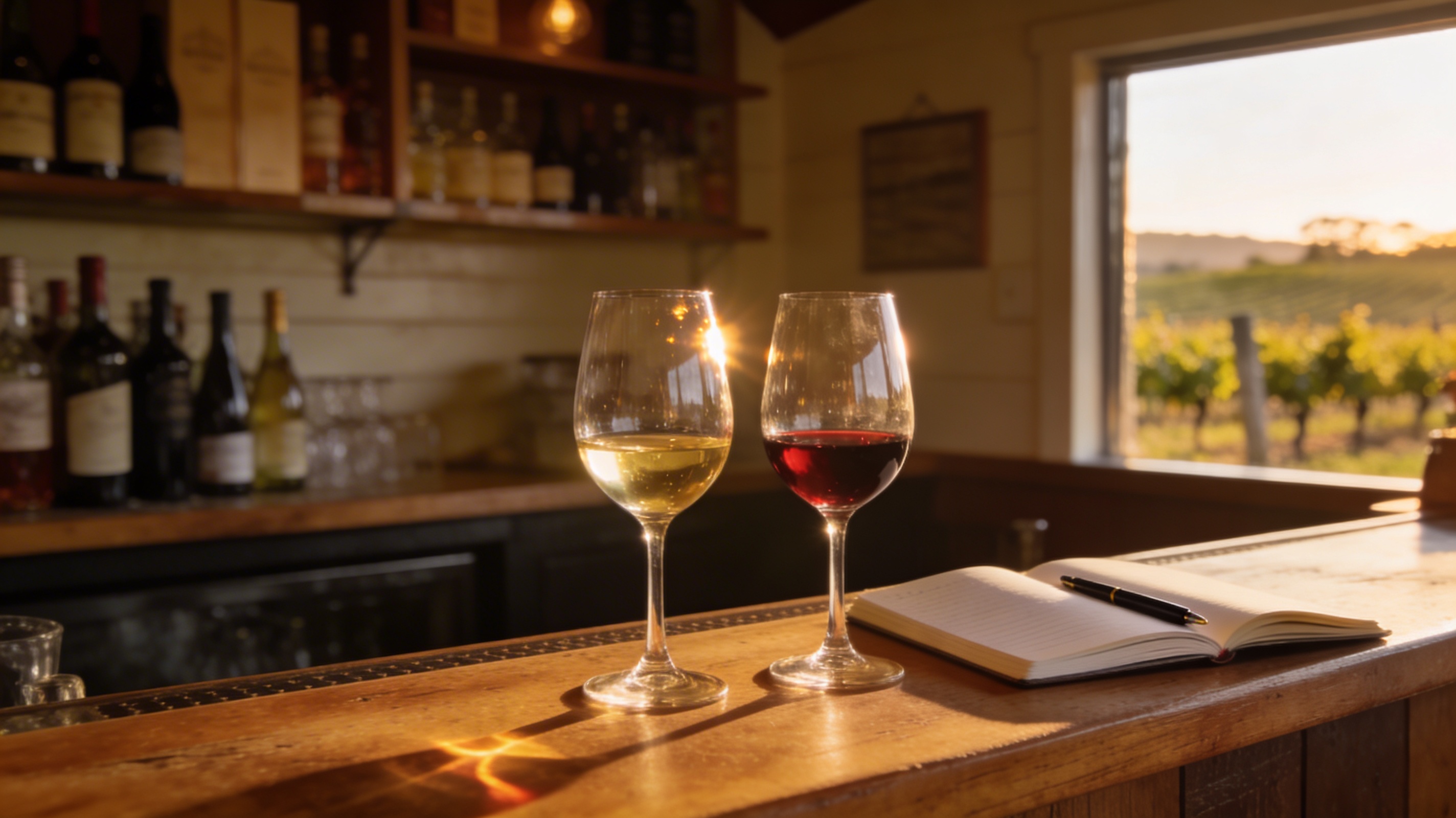
Setting the scene before you pour anything
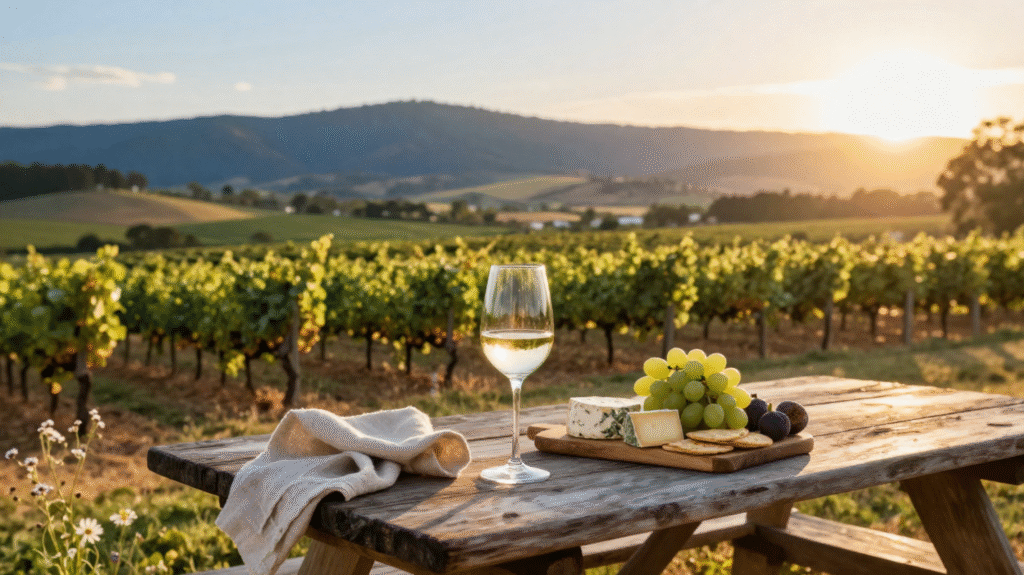
Tasting wine well is not about showing off. It is about paying close attention, whether someone is opening a bottle on a Tuesday night in Adelaide or stepping nervously up to their first cellar‑door bench in the Barossa.
Here is where most beginners quietly sabotage themselves: before the cork is even pulled. Serving temperature alone can make a modest wine sing or fall flat. Sparkling and lighter whites like Riesling or Pinot Grigio are happiest properly chilled, fuller whites like Chardonnay prefer a little less fridge time, and most reds feel more honest when they are just a touch cool rather than warm and soupy. A wine left to bake on a kitchen bench in an Australian summer will never show at its best, no matter how careful the tasting ritual.
Glassware does not need to be expensive crystal, but shape and cleanliness matter. A clear, tulip‑shaped glass with a stem gives room for swirling and concentrates aroma, which is where most of the pleasure lives. Cloudy dishwasher film or lingering detergent can dull or distort a wine’s scent; for a beginner, that makes the learning curve steeper than it needs to be. At home, rinsing glasses in hot water and letting them air‑dry is a small habit that pays off quickly.
Context matters too. Trying to “learn” a wine with loud music, strong perfume and a heavily scented candle burning away in the corner is a bit like attempting to read a novel in the middle of a football match. A reasonably neutral environment, no powerful smells, and a moment where there is no rush to finish the glass all allow a new drinker to notice far more than they expect.
When you are standing at a cellar door for the first time
The cellar‑door context adds its own layer of pressure. There is someone behind the bench in a branded shirt, there may be other tasters listening, and newcomers often feel watched or judged. In reality, cellar‑door staff are usually relieved when someone admits they are new to wine. It gives them permission to slow down, translate jargon, and tailor the tasting to what that person actually enjoys.
Two simple moves help enormously. First, tell the staff it is a first or early tasting. That one sentence unlocks patient, generous explanations of varieties, regions and styles that might otherwise never be offered. Secondly, do not be afraid to spit. This is normal behaviour in any serious tasting environment and allows a person to try a range of wines without fatigue or the fog that comes with drinking everything. At many Australian cellar doors, spittoons are provided and rarely used. Using them quietly signals that the visitor is there to learn, not just to drink.
The tempo at cellar door also differs from home. Small pours come one after another. The temptation is to rush, knock them back and move on. Slowing the pace, taking a moment with the glass before and after tasting, and not feeling obliged to finish every sample shifts the experience from a free pour to a genuine exploration.
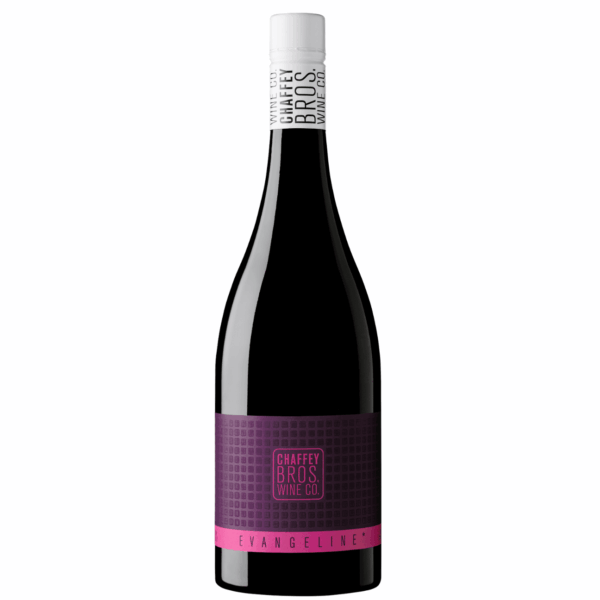 $38.83
/ bottle
$233.00 for a case of 6
$38.83
/ bottle
$233.00 for a case of 6
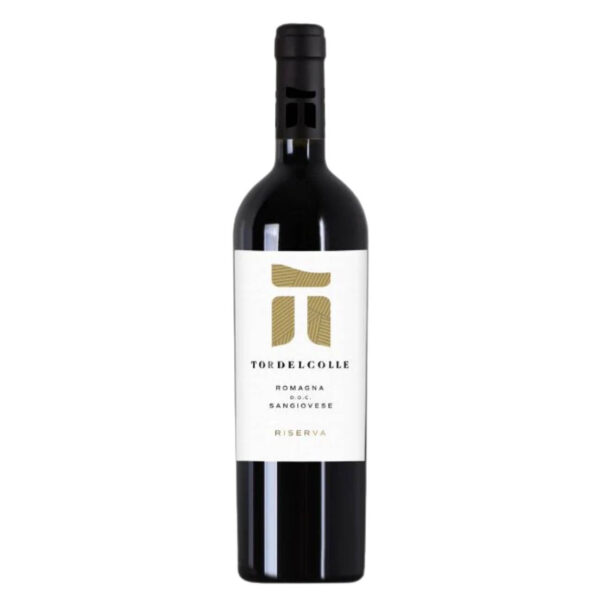 $32.83
/ bottle
$197.00 for a case of 6
$32.83
/ bottle
$197.00 for a case of 6
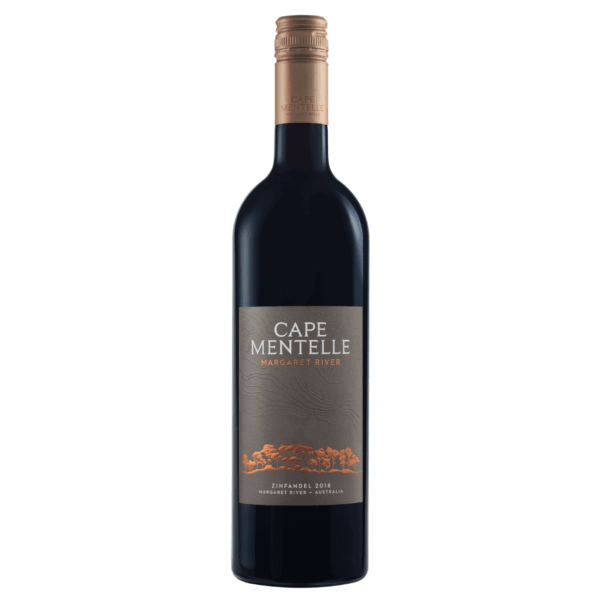 $58.67
/ bottle
$352.00 for a case of 6
$58.67
/ bottle
$352.00 for a case of 6
Cape Mentelle Zinfandel
Shipped by
Oatley Fine Wine Merchants
$58.67
/ bottle
$352.00 for a case of 6
 $25.17
/ bottle
$151.00 for a case of 6
$25.17
/ bottle
$151.00 for a case of 6

 $42.00
/ bottle
$252.00 for a case of 6
$42.00
/ bottle
$252.00 for a case of 6
 $31.17
/ bottle
$187.00 for a case of 6
$31.17
/ bottle
$187.00 for a case of 6
 233 pts
 The first look: teaching your eyes what to notice
Before smelling or tasting, simply looking at the wine gives a great deal away. At home, tilting the glass over a white tablecloth or even a sheet of printer paper reveals colour and clarity very clearly. In the glare of a cellar‑door bar, holding the glass slightly away from the body and towards a neutral surface works just as well.
Colour hints at both grape and age. A very pale, almost glass‑clear white might suggest a young Riesling or Pinot Grigio, whereas a deeper gold could indicate barrel‑aged Chardonnay or an older bottle that has had time to evolve. Young reds are often bright purple or crimson at the rim, while more developed wines fade to garnet or even brick tones. Clarity matters too. Most everyday wines are brilliantly clear; unexpected haze or fizz in a still wine can suggest a fault, and a beginner has every right to mention this to a cellar‑door host or simply open a second bottle at home.
This first visual check takes seconds, but it starts training the eye. Over time the connection between what the wine looks like and how it behaves on the palate becomes second nature.
Swirling and smelling without feeling ridiculous
Swirling is where self‑consciousness tends to erupt. The trick is to treat it as a practical tool rather than a performance. At home, placing the base of the glass on the table and drawing small circles with the stem gives controlled, easy movement. At a tasting bench, keeping the glass only half full and using small, gentle motions helps avoid splashes. The aim is simply to spread a thin film of wine around the inside of the bowl, exposing more surface area to air.
Then comes the nose, and here is where wine becomes genuinely fascinating. Most of what people call “taste” is actually smell. Bringing the glass to the nose and taking one or two short, deliberate sniffs is usually more revealing than a single huge inhale. Beginners sometimes expect to find a master sommelier’s vocabulary straight away. In reality, the most helpful question is simply: “What does this remind me of?” It might be lemons, blackberries, violets, vanilla, wet stones after rain, or even something less obviously poetic like “grandad’s shed.” Those associations are the foundation of wine literacy.
At cellar door, hosts often list aromas as they talk through the wine, which can be both helpful and intimidating. Treat those words as possibilities rather than tests. Smelling again after hearing “black cherry” or “white peach” can unlock an aroma that seemed hidden a moment before. At home, there is no commentary, which is both liberating and a little unnerving. Keeping a small notebook or notes app, jotting down two or three simple words per wine, is a low‑pressure way to build an internal library of smells.
 $27.00
/ bottle
$162.00 for a case of 6
$27.00
/ bottle
$162.00 for a case of 6
Santi Sortesele Pinot Grigio UV
Shipped by
Oatley Fine Wine Merchants
$27.00
/ bottle
$162.00 for a case of 6
 $24.58
/ bottle
$295.00 for a case of 12
$24.58
/ bottle
$295.00 for a case of 12
 $30.17
/ bottle
$181.00 for a case of 6
$30.17
/ bottle
$181.00 for a case of 6
 $19.17
/ bottle
$115.00 for a case of 6
$19.17
/ bottle
$115.00 for a case of 6
Dunes & Greene Split Pick Moscato NV
Shipped by
Wines Australia
$19.17
/ bottle
$115.00 for a case of 6
 $34.00
/ bottle
$204.00 for a case of 6
$34.00
/ bottle
$204.00 for a case of 6
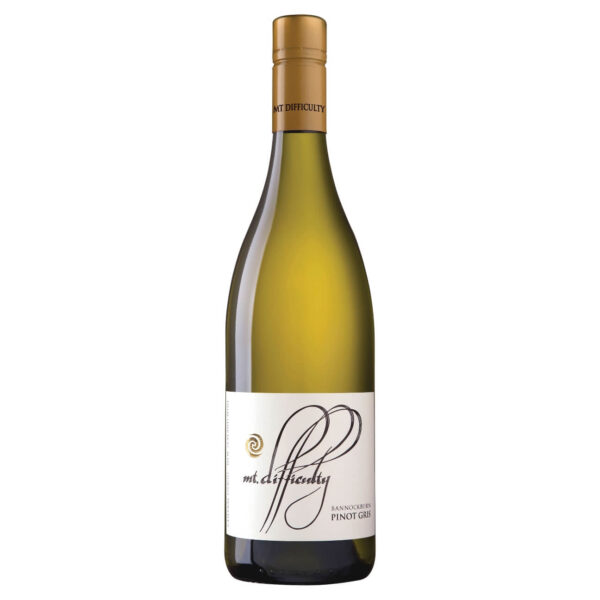
Mt Difficulty Bannockburn Pinot Gris /25
Shipped by
Wines Australia
$34.00
/ bottle
$204.00 for a case of 6
 $37.33
/ bottle
$224.00 for a case of 6
$37.33
/ bottle
$224.00 for a case of 6
The sip itself: getting beyond “nice” or “not nice”
The first instinct for a newcomer is often to take a tiny, polite sip and swallow quickly. Unfortunately, that makes any kind of detailed perception almost impossible. A more useful approach is a modest but confident mouthful, enough to coat the tongue and cheeks without feeling like a gulp.
Once the wine is in the mouth, holding it for a few seconds and gently moving it around allows different taste buds to engage. Some people like to draw in a small breath through slightly parted lips, letting air mix with the wine and lifting aromatics up into the nasal cavity. Others prefer to skip that step at first, which is perfectly reasonable. The important thing is not to rush the swallow.
Instead of hunting for more flavour descriptors straight away, it helps to ask structural questions. Is the wine dry, off‑dry or distinctly sweet. Does the acidity make the mouth water, leaving things feeling fresh and bright, or does it feel softer and rounder. In reds especially, how do the tannins feel on the gums and tongue: velvety, firm, grippy, even a little coarse. Finally, after swallowing or spitting, how long do flavours linger. If fruit and other notes fade almost instantly, that suggests a simpler wine; if they echo on for several seconds or more, that length is one of the key hallmarks of quality.
At a tasting, articulating even one of these thoughts to the host, such as “this feels fresher than the last one” or “the tannins here are quite firm for me,” gives them something to work with. They can then steer recommendations towards styles that suit, rather than guessing. At home, speaking thoughts aloud, even to an empty room, can feel slightly odd at first but quickly becomes a way of clarifying and remembering.
A simple framework that works anywhere
For someone new to wine, elaborate scoring systems are usually more distraction than help. What does work, in both lounge room and cellar‑door contexts, is a small, repeatable mental checklist.
One easy framework is: appearance, nose, palate, and overall impression. Appearance is the colour and clarity check already discussed. Nose is the set of aromas and their intensity: faint, moderate, or quite powerful. Palate covers both flavour and structure; here, just a few words about sweetness, acidity, tannin (for reds) and body are enough. Overall impression is where someone can ask whether the wine feels in balance, whether any element shouts too loudly, and whether they would happily drink another glass.
Folding this into the classic “see, swirl, smell, sip, savour” keeps things organised without feeling like homework. At home, this might happen over a single glass in the evening, perhaps returning to the wine after ten or fifteen minutes to see whether it has changed. In a tasting room, the same process can be compressed to a minute or two per sample, but the bones are identical.
Crucially, this is as much about learning personal preference as it is about judging quality. A wine can be objectively balanced and well made but not to someone’s taste. The more consciously a beginner tastes, the faster patterns emerge: perhaps a love for high‑acid Riesling, or a softness toward plush Barossa Shiraz, or a fascination with savoury, lighter‑bodied Pinot Noir from cooler regions.
Turning tasting into a habit rather than a performance
The most useful “tip or trick” for any newcomer is to make tasting a small habit rather than a rare special event. Opening one bottle a week at home and giving it ten minutes of focused attention does more for understanding than racing through twenty samples at a busy festival. Visiting cellar doors with a clear, modest plan, perhaps focusing on one region or grape variety at a time, keeps things from blurring into an indistinct memory of crowded bars and clinking glassware.
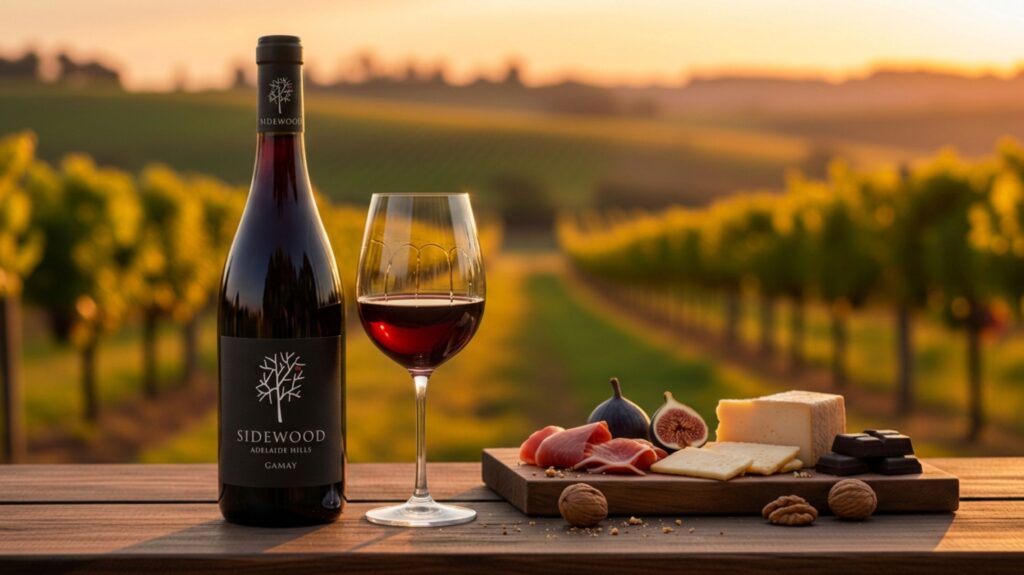
It also helps to remember that uncertainty is part of the enjoyment. Even highly experienced tasters disagree about aroma descriptors, preferred styles and relative quality. A beginner’s fresh perspective can be surprisingly insightful, precisely because it is not weighed down by received wisdom. Over time, the quiet rituals of looking, swirling, smelling, sipping and reflecting become almost meditative, whether in a suburban kitchen or looking out over a South Australian vineyard.
 Shiraz
 Cabernet Sauvignon
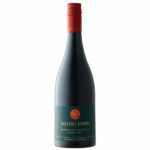 Pinot Noir
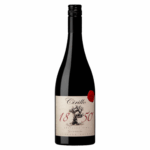 Grenache
 Merlot
 Red Wine Blends
 Chardonnay
 Riesling
 Pinot Gris
 Semillon
 Viognier
 Grenache Rosé
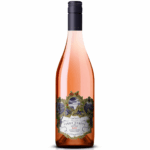 Pinot Noir Rosé
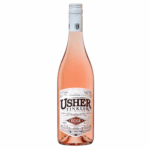 Shiraz Rosé
 Sangiovese Rosé
 Aglianico Rosé
 Clairette Rose
 Champagne
 Prosecco
 Sparkling Shiraz
 Blanc de Blanc
 Blanc de Noir
 Pet Nat
 Moscato
 Topaque
 Port
Port Sherry (dry & sweet)
 Muscat & Tokay
 Vermouth