 0473 644 098 · Mon–Fri 9am–5pm AESTHelp & FAQ


Oaked vs Unoaked: When Chardonnay Whispers Or Shouts

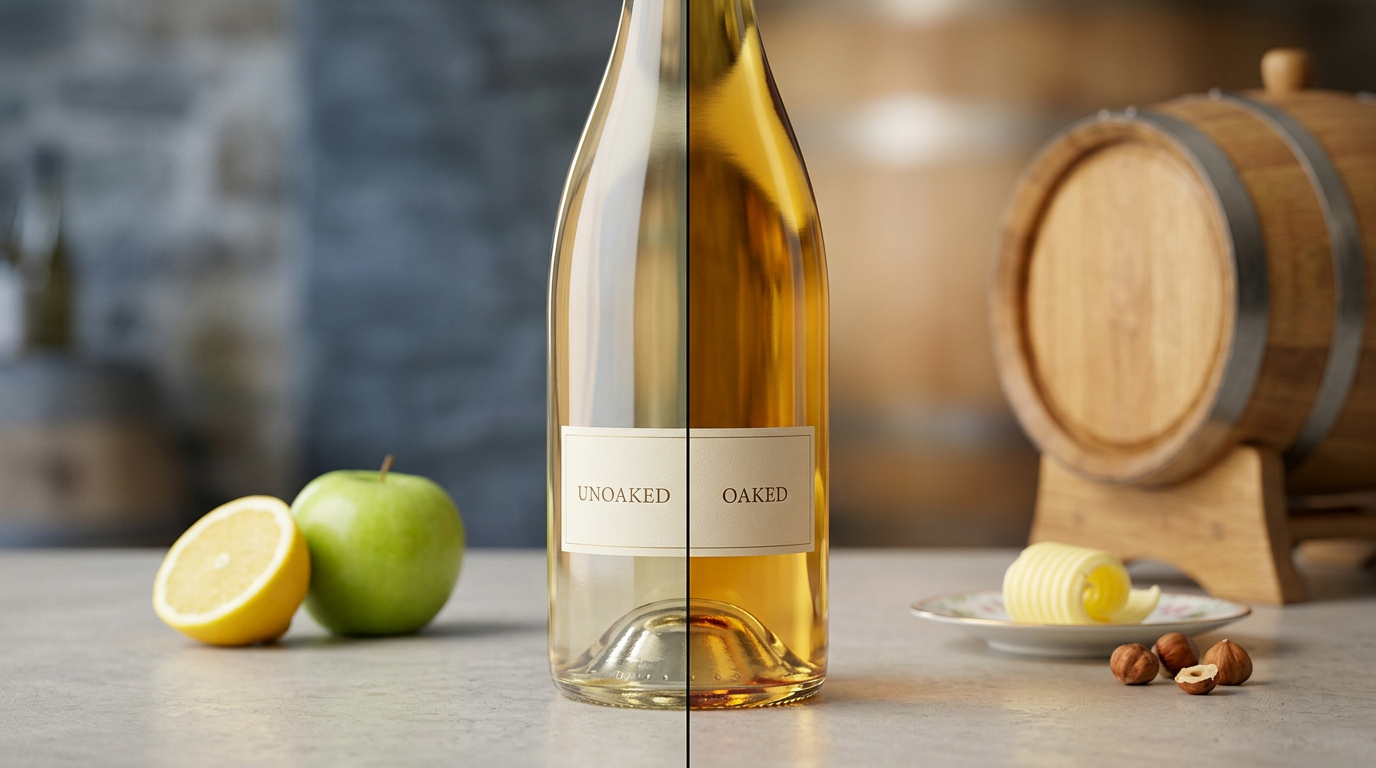
Chardonnay splits into two very different characters: unoaked that feels like wet stones and lemon pith, and oaked that moves into vanilla, toast and cream. Both styles can be profound; they simply tell different stories in the glass.
When Chardonnay Learns To Whisper
Unoaked Chardonnay is the grape stripped of costume, fermented in stainless steel or neutral vessels so that fruit, acid and site do all the talking. The winemaking here is deliberately restrained, keeping temperature cool and avoiding overt oak influence so that what emerges is a kind of x‑ray of vineyard and season. The result is typically pale in colour, bright and linear, with flavours running from lemon and lime through green apple and occasionally white peach, often carried on a distinctly mineral line that can feel like chalk, oyster shell or wet stones. Structurally it tends towards medium body at most, higher acidity and a mouthfeel that sits cleanly through the centre of the palate rather than spreading out in all directions. Good examples leave a saline, mouthwatering finish that seems to invite another sip rather than coating the palate.
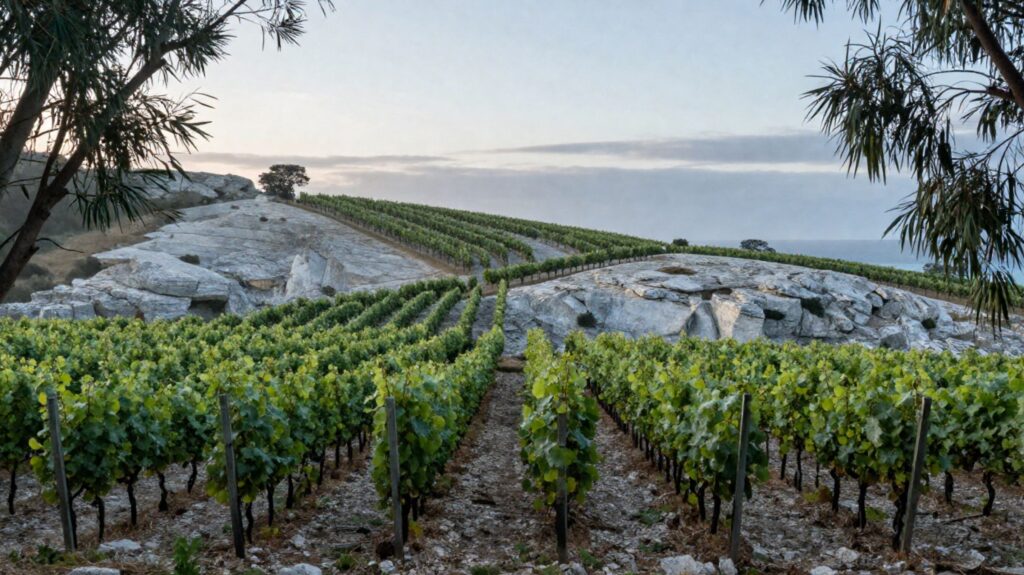
Tasted blind beside Sauvignon Blanc, a well‑made unoaked Chardonnay can resemble a slightly less herbal cousin: similarly crisp and citrus‑driven, yet without the overt grassiness, capsicum or gooseberry that define many cool‑climate Sauvignons. In cooler regions such as Chablis or high‑altitude parts of the Adelaide Hills, this style becomes almost ascetic, all rapier acidity and flavours that critics often describe as green fruit, crushed shells and wet stones, built to age into something more oatmeal, hazelnut and savoury over a decade or more. For many Australian drinkers raised on 1990s butter bombs, the first encounter with a genuinely steely unoaked Chardonnay can feel like discovering a completely different grape variety. Suddenly the grape is no longer about sweetness and weight but about tension, precision and an almost architectural sense of structure. It is not showy, yet it can be quietly thrilling.
When Chardonnay Learns To Speak In Oak
Once oak appears, the conversation shifts from line and mineral to breadth and texture, and everything about the wine’s personality starts to change. Ageing in small barrels allows slow oxygen ingress, which softens acidity, deepens colour and helps all the elements of the wine knit together in a more complex whole over time. Flavours widen from citrus and green apple into riper apple, nectarine, peach and sometimes tropical notes, wrapped in oak‑derived characters of vanilla, toast, nuts, smoke or caramel depending on the barrel’s age, origin and toasting level. Spice notes like clove or nutmeg may appear, particularly with a higher proportion of new oak, adding another layer of aromatic detail. The wine begins to occupy more space on the palate, spreading across the tongue rather than running like a narrow line through the middle.
Here is where malolactic fermentation and lees work come into play, converting sharper malic acid into softer lactic acid and building that creamy, sometimes overtly buttery profile that made Australian and Californian Chardonnay famous in the late twentieth century. Stirring the lees, or even simply leaving the wine on them for many months, adds texture and weight, creating that sense of gloss and density that some drinkers adore and others avoid. Many critics have observed that a lot of people who say they love Chardonnay are in fact responding primarily to these winemaking layers: the toast, the spice, the cream, rather than the underlying fruit. Modern Australian examples in regions like Margaret River and the Adelaide Hills have largely moved away from clumsy sweetness towards more balanced wines, still barrel‑fermented but using oak as a framing device rather than a megaphone. The best show ripe fruit, savoury complexity and measured richness without tipping into heaviness.
 $37.33
/ bottle
$224.00 for a case of 6
$37.33
/ bottle
$224.00 for a case of 6
 $24.83
/ bottle
$149.00 for a case of 6
$24.83
/ bottle
$149.00 for a case of 6
Hay Shed Hill Vineyard Series Morrison's Gift Chardonnay /
Shipped by
Wines Australia
$24.83
/ bottle
$149.00 for a case of 6
 $47.67
/ bottle
$286.00 for a case of 6
$47.67
/ bottle
$286.00 for a case of 6
McHenry Hohnen Laterite Hills Chardonnay
Shipped by
Wine Cellars
$47.67
/ bottle
$286.00 for a case of 6
 $32.75
/ bottle
$393.00 for a case of 12
$32.75
/ bottle
$393.00 for a case of 12
Freycinet Wines Louis Chardonnay /
Shipped by
Wines Australia
$32.75
/ bottle
$393.00 for a case of 12

 $10.67
/ bottle
$128.00 for a case of 12
$10.67
/ bottle
$128.00 for a case of 12
The Anchorage Bubbles NV
Shipped by
Vintage House Wine & Spirits
$10.67
/ bottle
$128.00 for a case of 12
 $23.33
/ bottle
$140.00 for a case of 6
$23.33
/ bottle
$140.00 for a case of 6
 224 pts
 Two Personalities At The Same Table
Side by side in the glass, unoaked and oaked Chardonnay can taste like entirely different varieties, which is precisely what makes the grape so compelling to serious drinkers. Unoaked feels like a conversation about acidity, line and terroir, where vineyard and climate set the agenda and winemaking quietly steps back to let the details shine. Oaked feels like a more theatrical performance, where texture, spice and the slow alchemy of barrel and lees take the lead, often at the cost of some sheer fruit transparency but with a gain in savoury depth and complexity. One style aims for clarity and cut; the other reaches for volume and layering. Both, at their best, can be ageworthy and intellectually engaging rather than merely easy‑drinking.
For Australian palates, there is an interesting generational shift playing out at the table and at the cellar door. Drinkers who came of age with heavily worked Barossa and broader South Eastern Australian styles may still instinctively reach for rich, creamy oaked Chardonnay, associating that profile with celebration and comfort. Younger enthusiasts, influenced by cooler‑climate whites and natural‑leaning producers, often gravitate towards the tension and salt‑licked edges of leaner, less obviously wooded bottlings, seeking refreshment and energy above all else. Yet the most exciting producers in Margaret River, the Adelaide Hills and beyond now happily blur the line: wild ferments, high‑solids juice, carefully chosen barrels and, crucially, fruit quality powerful enough to carry all that complexity without losing definition. The result is a spectrum rather than a binary, with wines that whisper, wines that shout and a growing number that manage to do a little of both.
Here is the quiet truth behind the style debate: neither unoaked nor oaked Chardonnay is inherently superior, yet each demands a slightly different kind of attention from the person holding the glass. Unoaked invites focus on detail, like listening to a string quartet in a small room, where every misstep is audible and every nuance matters, rewarding patience and a cool serving temperature. Oaked asks for surrender to texture and breadth, more like a full orchestra where power, layering and slow evolution in the glass are part of the pleasure, especially as the wine warms and opens. This is not party wine in either guise. This is wine that asks to be noticed, considered and perhaps even argued over at the table long after the last drops have gone.
For someone in Australia weighing up which story they want their next bottle of Chardonnay to tell, it helps to start with a simple question: is tonight about precision and refreshment, or about generosity and slow, savoury complexity?

 Shiraz
 Cabernet Sauvignon
 Pinot Noir
 Grenache
 Merlot
 Red Wine Blends
 Chardonnay
 Riesling
 Pinot Gris
 Semillon
 Viognier
 Grenache Rosé
 Pinot Noir Rosé
 Shiraz Rosé
 Sangiovese Rosé
 Aglianico Rosé
 Clairette Rose
 Champagne
 Prosecco
 Sparkling Shiraz
 Blanc de Blanc
 Blanc de Noir
 Pet Nat
 Moscato
 Topaque
 Port
Port Sherry (dry & sweet)
 Muscat & Tokay
 Vermouth