 0473 644 098 · Mon–Fri 9am–5pm AESTHelp & FAQ


Australia’s Liquid Gold: Understanding Topaque and Why It Belongs in Your Cellar

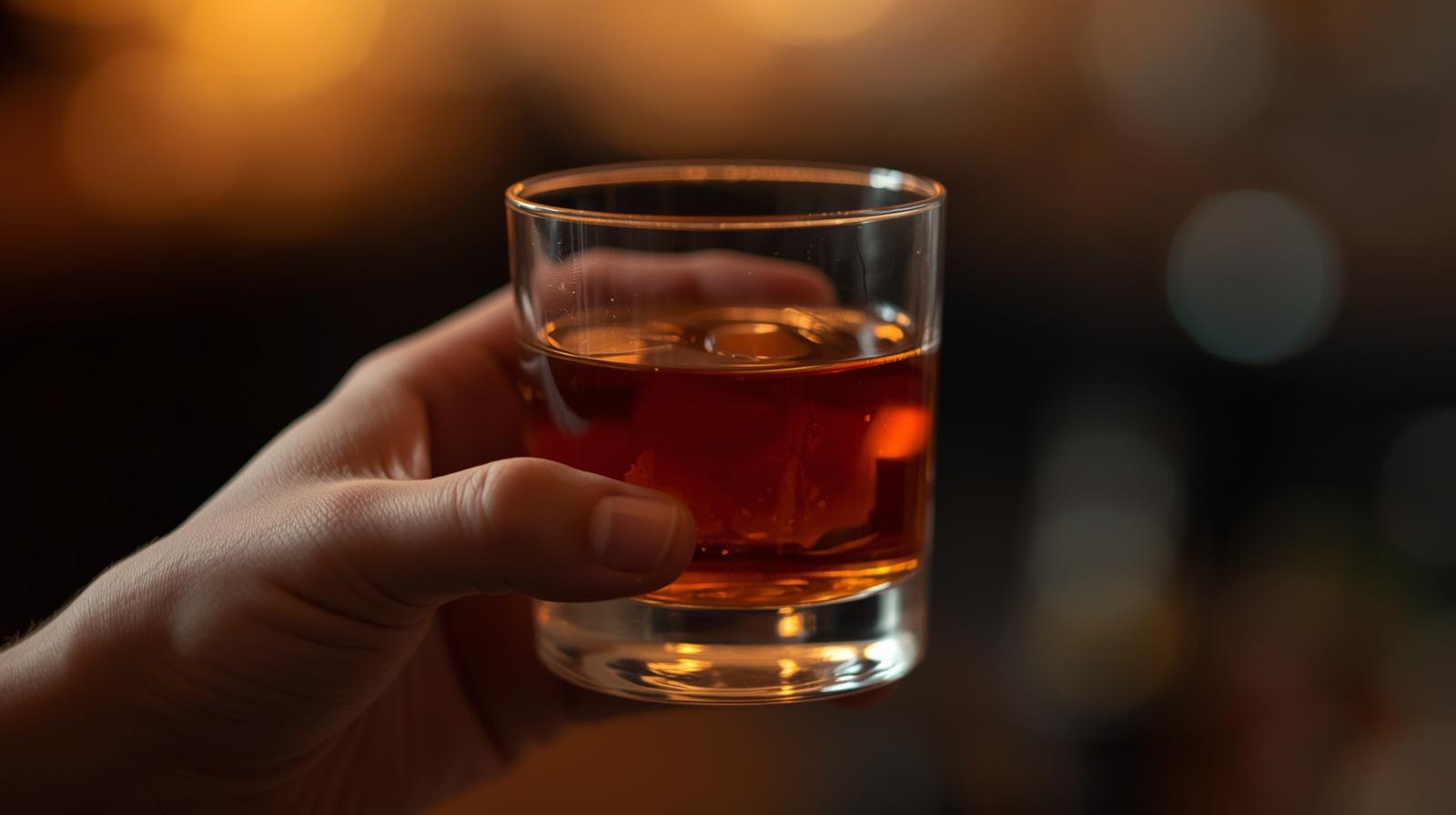
Topaque represents one of Australia’s most overlooked treasures. This fortified wine from Victoria’s Rutherglen region brings centuries of winemaking tradition, extraordinary complexity and genuine substance to the table. For those willing to venture beyond conventional dessert wines, Topaque delivers rewards that justify its modest pricing and growing international recognition.
What Makes Topaque Distinctly Australian
Topaque carries a unique Australian story. Previously known as Liqueur Tokay, it was renamed in recent decades as part of Australia’s broader movement away from borrowed European names. The word Tokay traditionally referred to Hungarian wines, but the Australian expression proved so distinctive that it deserved its own identity. Thus Topaque emerged.
The wine comes exclusively from Muscadelle grapes, a minor French variety that produces something entirely different in Australia’s Rutherglen region than it does in Monbazillac or Sauternes. The warm, dry northeastern Victorian terroir transforms these grapes into concentrated expressions of toffee, honey and distinctive cold tea leaf character.
Made through similar production methods to Rutherglen Muscat, Topaque grapes remain on the vine until they develop high levels of natural sugar concentration. Once harvested, they undergo partial fermentation before being fortified with grape spirit in a method resembling Port production. This early fortification preserves the natural sweetness whilst halting fermentation.
The resulting wine then spends years in large oak barrels undergoing an oxidative maturation process that bears resemblance to Madeira’s heated treatments and Sherry’s solera system. The wine darkens gradually over time, developing increasingly complex character as it transforms from youthful gold to deep amber to mahogany brown.
The Four Stages of Rutherglen Topaque Quality
Understanding Topaque classification matters for making informed selections. The Rutherglen region employs four distinct quality categories based on age and complexity.
Rutherglen Topaque represents the entry level, aged for a minimum of four years. These younger expressions display lighter colour, more pronounced citric and malt notes, and distinct cold tea leaf character. The finish remains fresh and crisp despite evident sweetness.
Classic Rutherglen Topaque indicates a minimum ten years of maturation. At this stage, greater depth and complexity emerge. The wine takes on mahogany and golden hues whilst flavours develop layers of toffee, honey, butterscotch and malty richness. A silky texture indicates decades of barrel integration.
Grand Rutherglen Topaque signals at least fifteen years in oak. These wines show deep colour with hints of olive green. The palate reveals concentrated flavour with extended ageing contributing caramel, dried fruit, roasted nut and spice notes. The finish lingers impressively.
Rare Rutherglen Topaque represents the pinnacle, aged twenty years or longer in selected solera casks. Only tiny quantities bottle annually. These wines achieve extraordinary complexity and textural richness, combining concentrated fruit with refined elegance and mineral salinity.
The Flavour Journey: What Topaque Actually Tastes Like
Topaque presents flavours unlike anything else in the wine world. The distinctive cold tea leaf character appears as a signature element regardless of classification level.
Younger Rutherglen expressions display lifted citric and malty aromas alongside raisiny sweetness. Orange peel, apricot and quince notes appear frequently. The palate remains lively with acidity that cuts through the sweetness, finishing with remarkable freshness despite the wine’s viscous texture.
Classic Topaque adds roasted almond, walnut, butterscotch and caramel to the aromatic palette. The malty character intensifies. The palate shows greater richness and body than younger examples. Lapsang souchong tea notes emerge alongside hints of licorice. The finish becomes longer and more complex.
Grand Topaque demonstrates what decades in oak accomplish. Roasted coffee, chocolate, dried fig and prune develop. The cold tea character becomes more subtle, emerging as background note rather than dominant expression. The palate shows remarkable smoothness and silky texture despite elevated alcohol approaching twenty percent.
Rare Topaque represents the ultimate expression. Deep mahogany colour reflects decades of oxidation and concentration. Aromas combine dark dried fruits, coffee grounds, exotic spice, fig cake, walnut and roasted nuts. The palate offers luscious sweetness balanced by acidity and refined neutral spirit. The finish goes on and on, revealing layers long after the glass empties.
How Topaque Differs from Rutherglen Muscat
Many people confuse Topaque with Rutherglen Muscat, assuming they represent interchangeable styles. They share production methods and aging classifications, but the differences run profound.
Muscat comes from Muscat brown grapes and typically displays darker, almost black colour even in younger examples. The flavour emphasises fresh grapey character alongside rose petal and fruit cake notes. Younger Muscats offer hedonistic sweetness with less acidity balance.
Topaque comes from Muscadelle and generally presents lighter, more golden or amber hues across all classifications. The flavour emphasises malt, toffee, cold tea and caramel rather than grapey freshness. Topaque typically contains more acidity, offering crisp counterpoint to the sweetness. Many wine enthusiasts prefer Topaque’s greater complexity and food-pairing versatility.
Topaque’s Remarkable Value Proposition
Topaque pricing remains astonishingly reasonable compared to similarly aged fortified wines from Europe. Classic examples typically land between $18 to $25 depending on producer. Grand and Rare classifications reach $30 to $50 per bottle, placing them well below equivalent Tawny Ports or aged Sherries.
This pricing reflects market dynamics rather than quality disparities. Topaque remains relatively unknown outside Australia whilst Muscat enjoys higher international recognition and demand. Savvy wine enthusiasts exploit this anomaly, purchasing premium Topaque examples at fraction of comparable European fortified prices.
When and How to Drink Topaque
Topaque offers surprising versatility despite its reputation as dessert wine. Younger Rutherglen examples work beautifully as aperitifs, particularly when served chilled. The crisp acidity and fresh character appeal to those seeking lighter fortified options.
Classic Topaque pairs magnificently with blue cheese, walnuts and dried fruit. The toffee and honey notes complement cheese’s salinity whilst the acidity cuts through richness. Serve at room temperature or slightly chilled depending on season and personal preference.
Grand and Rare Topaque belong with richer desserts including chocolate cake, sticky date pudding and caramel preparations. The wine’s concentrated sweetness balances these dishes without overwhelming them. Alternatively, serve at room temperature following dinner as a contemplative sipping experience.
Some producers recommend pairing Topaque with soft cheeses, particularly creamy examples. The acidity cleansing the palate whilst the caramel and toffee notes complement subtle cheese flavours. Experiment with temperatures from chilled to room temperature to determine personal preference.
The Producer Landscape: Who Makes Exceptional Topaque
Rutherglen contains several world-class producers, each offering distinct house styles whilst maintaining the regional character.
Morris of Rutherglen represents the category’s flagship. The fifth-generation winemaking family traces heritage back 160 years to founder George Morris’ first Rutherglen plantings. Their Classic, Grand and Rare Topaque expressions consistently earn top critical scores. The Morris house style emphasises lifted, fresh aromas even in aged examples, combined with remarkable complexity and silky texture.
James Halliday, writing for the Halliday Wine Companion, describes Morris fortifieds as “extraordinary, representing world class wines that sit amongst Australia’s finest fermented grape juice.”
Campbells of Rutherglen produces elegant, refined expressions that showcase the finesse possible within Topaque. Their Classic Topaque balances richness with freshness whilst maintaining delicate character. Campbells emphasises quality selection and traditional production methods that honour regional heritage.
Tyson Stelzer awarded Campbells Topaque 93 points, noting its “toffee and tealeaf characters predominate on the front of the palate with a cleansing hint of spirit and old oak.”
Stanton & Killeen brings seven-generation heritage to Topaque production. The current mother-daughter team of Wendy and Natasha Killeen continue traditions established in Rutherglen’s 1870s gold mining heydays. Their Topaque expressions display wonderful depth with lifted aromatics.
Nick Stock, reviewing for his wine publication, described Stanton & Killeen Classic Rutherglen 12 Year Old Topaque as possessing “great clarity and freshness, with honey and tea leaf aromas; lively and vibrant with finesse and harmony. Finishes with excellent acidity and a clean, crisp aftertaste.”
The Stanton & Killeen Rare Rutherglen Topaque earned even higher recognition from Tyson Stelzer, who awarded it 97 points and named it his Fortified of the Year 2024, writing “With an average age of 25 years and including components dating from the 1970s, this is a rare Topaque of incredible depth and complexity, skilfully blended to the perfect balance of sweetness, tang, spirit, fruit and grand old rancio personality. Coffee bean, tea leaves, fruit cake, high cocoa dark chocolate and toffee billow in a grand crescendo at once lusciously extravagant and at the same time fresh and poised.”
Baileys of Rutherglen produces the lifted and aromatic school of Topaque. Their expressions emphasise floral notes alongside traditional caramel and toffee character, creating distinctive expressions that stand out within regional consistency.
Why Topaque Demands Your Attention
Jancis Robinson, perhaps the world’s most respected wine critic, captures Topaque’s unique status perfectly when describing Stanton & Killeen Classic Topaque for JancisRobinson.com: “This richly sweet fortified wine is one of Australia’s classics, a gift to the world’s wine drinkers that has no parallel anywhere else.”
That assessment gets to the heart of why Topaque matters. This is not afterthought fortified or mass-produced commodity. Each bottle carries years of careful aging, thoughtful blending and winemaking expertise accumulated across generations.
The wine demonstrates terroir character reflecting Rutherglen’s particular climate and soils. It showcases varietal complexity rather than simply delivering sweetness. It offers genuine complexity and development potential for those willing to explore aged examples.
Most importantly, Topaque works. The wine accompanies food beautifully, provides contemplative sipping pleasure at day’s end, and delivers sensory satisfaction that justifies its modest pricing.
Try a Classic example from any major producer. Serve it chilled with walnuts and blue cheese. Or simply enjoy it contemplatively after dinner. Topaque deserves a place in any serious enthusiast’s cellar.
 Shiraz
 Cabernet Sauvignon
 Pinot Noir
 Grenache
 Merlot
 Red Wine Blends
 Chardonnay
 Riesling
 Pinot Gris
 Semillon
 Viognier
 Grenache Rosé
 Pinot Noir Rosé
 Shiraz Rosé
 Sangiovese Rosé
 Aglianico Rosé
 Clairette Rose
 Champagne
 Prosecco
 Sparkling Shiraz
 Blanc de Blanc
 Blanc de Noir
 Pet Nat
 Moscato
 Topaque
 Port
Port Sherry (dry & sweet)
 Muscat & Tokay
 Vermouth