 0473 644 098 · Mon–Fri 9am–5pm AESTHelp & FAQ


Fortified Wine – Australia’s Most Complex Achievement and Wine Category Most Australians Ignore

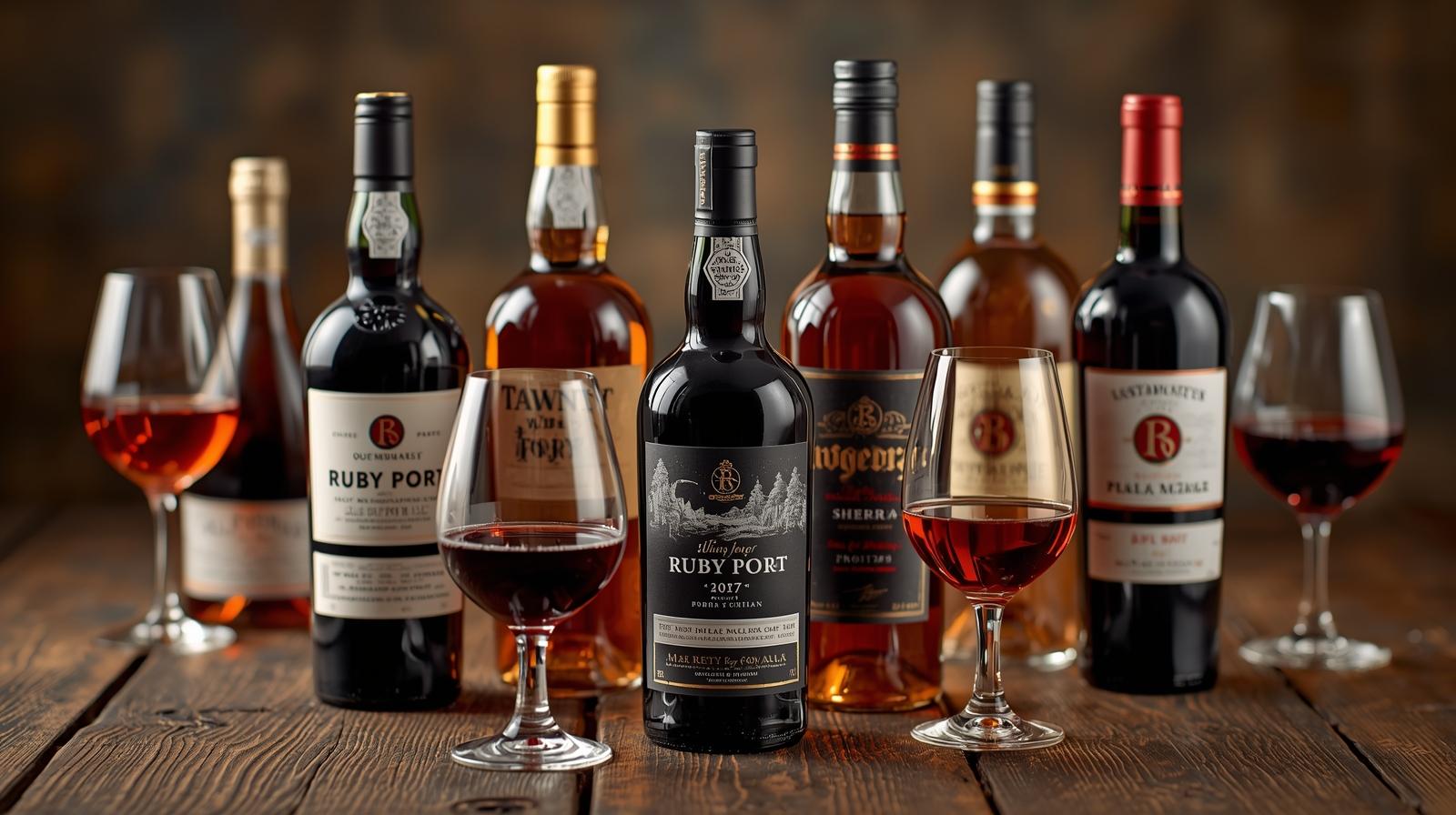
Fortified wine represents one of Australia’s greatest winemaking accomplishments, yet it remains largely invisible in contemporary wine culture. While Australians celebrate Shiraz and Chardonnay internationally, Rutherglen Muscat and Barossa Tawny represent something even more remarkable: wines of such complexity and ageability that they rival anything produced anywhere on Earth. Understanding fortified wine means grasping not just a category, but an entire philosophy of winemaking that treats time as an ingredient.
What Fortification Actually Means: Simple Process, Complex Consequences
Fortified wine begins with a straightforward act: adding distilled grape spirit, typically brandy around seventy percent alcohol, to fermenting wine. This seems simple. The consequences prove extraordinarily complex.
When grape spirit gets added early in fermentation, before yeast has consumed all the sugar, the spirit immediately kills the yeast. Fermentation stops. Residual sugar remains suspended in the wine, creating natural sweetness. The spirit simultaneously raises the alcohol level to seventeen to twenty-two percent, transforming the wine’s entire character.
Conversely, if the winemaker adds spirit after fermentation completes, the yeast has already consumed all available sugar. The resulting wine tastes dry despite its high alcohol. This explains why fortified wines range from syrupy sweet to bone dry, depending entirely on when fortification occurs.
Temperature control determines everything. Cooler fermentation proceeds slowly, taking weeks. Warmer fermentation finishes in days. The winemaker monitors fermentation progress meticulously, cooling or warming the tanks to reach the precise moment fortification should occur. This requires remarkable skill and intimate knowledge of individual vineyard parcels and their ripening patterns.
Port: The Portuguese Foundation
Port remains the world’s most famous fortified wine, establishing the benchmark that all other fortified wines reference. Portuguese winemakers have been perfecting port production for over three centuries, their accumulated experience informing everything from fermentation temperatures to blending strategies.
The Douro Valley’s steep, terraced hillsides produce grapes of remarkable concentration and acidity. These qualities become crucial in port production because high acidity balances the wine’s sweetness and alcohol, preventing it from becoming cloying. The valley’s schist-based soils impart distinctive mineral character that defines quality port.
Three main port styles dominate: Ruby represents the youngest expression, fermented, fortified, and aged just two to three years in stainless steel tanks. The wine preserves vibrant colour, fresh fruit character, and youthful power. Tawny represents the opposite philosophy, aging years or decades in wooden barrels where gradual oxidation transforms colour from ruby to amber to burnished tawny. Vintage port emerges from exceptional years only, fermented, fortified, and aged briefly in barrel before bottling. The wine then ages predominantly in bottle, developing complexity over decades or centuries.
Each style serves different purposes. Ruby port works as casual dessert wine or cheese companion. Tawny provides elegant sipping for contemplation. Vintage port demands serious collecting and cellaring for future appreciation.
Australian Fortified Wine: Not Port, But Something Equally Remarkable
Australia cannot legally call its fortified wines port. The European Union restricts that name exclusively to Portuguese Douro Valley production. Yet Australian winemakers have developed fortified wine traditions that don’t imitate port but rather create something entirely distinct.
Barossa Valley produces Tawny and other port-style fortified wines using Shiraz, Grenache, and other varieties rather than Portuguese grapes. These wines develop through extended barrel ageing, sometimes decades, as oxygen gradually oxidises the wine and concentrates flavours. A Barossa Tawny exhibits different character than Portuguese equivalent, showing more power, darker fruit, and the distinctive Grenache spice that defines the region.
James Halliday, Australia’s most influential wine critic, describes a specific Australian fortified phenomenon that has no European equivalent. Discussing Seppeltsfield Para Liqueur from Barossa, he notes: “Not quite a tawny, not quite a colheita, not quite a luscious madeira.” This captures Australian winemakers’ willingness to create entirely new categories rather than simply copying traditional styles. The Para system involves a complex blending and maturation process that Halliday describes as operating under a crucial paradox: “The wine had to be in balance once fortified in the first months of its life after fortification, but will be thrown out of balance thereafter by the differing rates of change of its chemistry over the next 50 to 60 years, when once again it will come back into balance.”
Rutherglen: Australia’s Fortified Wine Capital
Rutherglen, a relatively small region in north-eastern Victoria, established itself as Australia’s fortified wine heartland through sheer expertise and accumulated knowledge. The region’s hot, continental climate creates ideal conditions for achieving the high sugar levels fortified wines require. The long, dry autumn allows extended ripening that concentrates flavours and develops complexity.
Rutherglen’s specialty involves a fraction blending system where components age separately in barrel, sometimes for decades or longer, before blending. This approach allows winemakers to create consistent styles year after year despite vintage variations. The system also enables wines to age indefinitely because younger components regularly get blended with older parcels, keeping the overall blend fresh and preventing oxidation-related deterioration.
The region produces two primary styles: Muscat and Topaque. Muscat, made from the brown muscat or frontignac grape variety, develops dark, syrupy character through extended barrel ageing. The wine tastes of raisins, treacle, dates, walnuts, and caramel. A Classic Muscat averages around six years in barrel. A Grand Muscat reaches eleven to nineteen years. A Rare Muscat exceeds twenty years. The ageing classifications directly reflect flavour intensity and complexity. Older means darker, richer, more concentrated.
Topaque, made from muscadelle grapes, develops similarly but with distinctive character. The wine shows dried fruits, nuts, butterscotch, and what aficionados describe as “tea liquor” aromas from extended oxidative ageing. A Topaque Classic, Grand, or Rare reaches similar complexity to equivalent Muscat but with lighter, more elegant character. Some connoisseurs prefer Topaque’s refinement to Muscat’s power.
The Blending Mastery: Why Fortified Wine Demands Expertise
Creating quality fortified wine requires a skill set entirely different from table wine production. Fortified winemakers must think in decades and generations, making decisions about blending components that won’t be tasted together for years.
Jeni Port, wine critic writing for Halliday Wine Companion, explains the sophisticated requirements: “Take 20, 40 or more parcels of wines, from many vintages, aged and nursed, over 10, 40, 50, 60 years or more, and you enter into the almost sacred realm of the master fortified winemaker.” She further notes that this expertise passes generationally through hands-on training, yet fewer producers maintain the tradition: “There are less producers of fortified and therefore the pool of knowledge is diminished.”
The blending rule remains absolute: any blend must taste better than its individual components. When working with dozens of components spanning multiple decades, achieving this becomes almost impossible. Yet master blenders accomplish it through accumulated experience, subtle tasting skills, and intimate knowledge of how individual components will evolve when combined.
Madeira: Heat as Winemaking Tool
Madeira, made on Portugal’s Madeira Islands, represents a completely different fortification philosophy. Rather than gradual barrel ageing under cool conditions, Madeira undergoes intentional heating that replicates what originally happened accidentally during long sea voyages.
The estufagem process involves placing wine in heated chambers where temperatures slowly rise to forty-five to fifty degrees Celsius and remain there for months. This “cooking” accelerates oxidation and browning, creating the distinctive caramelised character Madeira requires. The wine then matures years in barrel, developing additional complexity.
This brutal treatment would destroy most wines. Yet Madeira’s high natural acidity and the winemakers’ precise control over heating temperatures transform potential disaster into genuine advantage. The wine develops a distinctive nutty, burnt caramel character impossible to achieve through conventional barrel ageing. Most remarkably, Madeira’s high acidity means the wine literally never spoils. A bottle opened fifty years ago and somehow exposed to air continues tasting exquisite decades later. Few other wines accomplish this.
Sherry: The Spanish Master Category
Spanish sherry represents yet another fortified approach, using completely different techniques than port or Madeira. Sherry’s fermentation and fortification occurs similarly to port, yet maturation involves an entirely different method called the solera system.
The solera involves stacking wooden barrels in rows, with the oldest wines at ground level and youngest at the top. Wine moves downward progressively through the system over years, gradually mixing with older components and developing complex flavours. Each barrel draws from the one below, with bottom barrels getting only partially emptied before refilling. This creates continuous blending and ensures consistent style across vintages.
Sherry’s main grape variety, Palomino, contributes little inherent flavour. The grape exists almost neutrally, allowing the solera process and extended oxidative ageing to create all character. Quality sherries range from dry Fino at seventeen percent alcohol to rich, sweet Pedro Ximénez at sometimes over twenty percent. Each style showcases how different fermentation points and ageing techniques create entirely distinct expressions.
Fortified Wine Food Pairing: When Richness Becomes Elegant
Fortified wines’ complexity and residual sugar create natural affinities with specific foods that table wines often struggle with.
Ruby port pairs beautifully with chocolate desserts, particularly dark chocolate. The wine’s fresh fruit character complements chocolate’s bitterness without the wine tasting thin. The residual sugar amplifies sweetness without creating excessive richness.
Tawny port’s nutty character and caramel notes work brilliantly with caramel-based desserts, nuts, and spiced cakes. The wine’s lower sweetness than ruby makes it workable with less intensely sweet foods. A twenty-year-old Tawny with blue cheese creates surprising harmony, the wine’s complexity standing up to cheese’s intensity.
Vintage port demands serious cheese and rich desserts. The wine’s power and structure suit bold flavours. Blue cheese and vintage port represent a classic pairing that never disappoints.
Rutherglen Muscat pairs with chocolate desserts, spiced puddings, and rich cakes. The wine’s dark intensity matches similarly intense flavours. A Rare Muscat with chocolate mousse becomes a moment of genuine luxury.
Madeira’s high acidity opens pairing possibilities. Drier Madeira styles work with savoury appetisers. Sweeter versions pair with dessert but feel refreshing rather than heavy due to that acidity.
Price and Value: The Generations Investment
Fortified wines represent extraordinary value when you understand what you’re getting. A basic Tawny costs twenty to thirty dollars. A twenty-year-old Tawny reaches fifty to one hundred dollars. Yet those decades of barrel space, the evaporation loss, the expert tasting and blending, represent genuine value.
A Rutherglen Rare Muscat with over twenty years average age costs seventy to one hundred dollars. The same age in cognac exceeds three hundred dollars. The same age in whisky commands similar premium prices. Fortified wine delivers equivalent or superior complexity at a fraction of the cost.
Vintage port costs more significantly, eighty to two hundred dollars depending on producer and vintage. Yet you’re investing in something that literally improves for decades or centuries. A hundred-dollar vintage port from a great year might appreciate to three hundred dollars in forty years as the wine matures and supply dwindles.
The Future Challenge: Preserving Knowledge
Fortified wine faces a genuine existential challenge. The knowledge required to make great fortified wine passes through generations. Yet fewer young winemakers pursue the specialty. Larger producers consolidate. Traditional small producers retire without successors.
Stephen Chambers, sixth-generation winemaker at Chambers Rosewood in Rutherglen, expresses genuine concern: “There are less producers of fortified and therefore the pool of knowledge is diminished.” This matters profoundly because fortified winemaking involves skills that can’t easily transfer through written documentation. Blending ancient parcels, understanding how specific components will evolve, recognizing when oxidation has reached precisely the right point—these skills develop through decades of hands-on experience.
The irony is striking. Australia produces some of the world’s greatest fortified wines, yet these achievements remain underappreciated domestically and internationally. Whilst consumers queue for overpriced Burgundy or trophy Napa Cabernet, Rutherglen Muscat develops magnificent complexity whilst remaining affordable.
Why Fortified Wine Deserves Your Attention
Fortified wine represents commitment to quality measured in decades rather than months. A Rare Rutherglen Muscat represents decisions made two decades ago, components aged in barrel under careful supervision, blending choices that required intimate knowledge and genuine courage. You can’t rush this. You can’t shortcut it.
When you pour a glass of fortified wine, you’re experiencing human expertise accumulated over generations. You’re tasting the accumulated decisions of winemakers stretching back decades, their successes and failures informing every component in your glass. You’re experiencing a category of wine that refuses to compromise, that refuses to cut corners, that demands to be taken seriously.
Australian fortified wine deserves recognition as one of this country’s greatest winemaking achievements. Understanding and appreciating these wines means recognising that excellence doesn’t always announce itself loudly. Sometimes it develops quietly in Rutherglen vineyards or Barossa cellars, waiting for someone to pay attention long enough to understand what makes it remarkable.
 Shiraz
 Cabernet Sauvignon
 Pinot Noir
 Grenache
 Merlot
 Red Wine Blends
 Chardonnay
 Riesling
 Pinot Gris
 Semillon
 Viognier
 Grenache Rosé
 Pinot Noir Rosé
 Shiraz Rosé
 Sangiovese Rosé
 Aglianico Rosé
 Clairette Rose
 Champagne
 Prosecco
 Sparkling Shiraz
 Blanc de Blanc
 Blanc de Noir
 Pet Nat
 Moscato
 Topaque
 Port
Port Sherry (dry & sweet)
 Muscat & Tokay
 Vermouth