 0473 644 098 · Mon–Fri 9am–5pm AESTHelp & FAQ


Port Wine – Understanding a Wine That Survived for Centuries and Why Australia Does It Differently

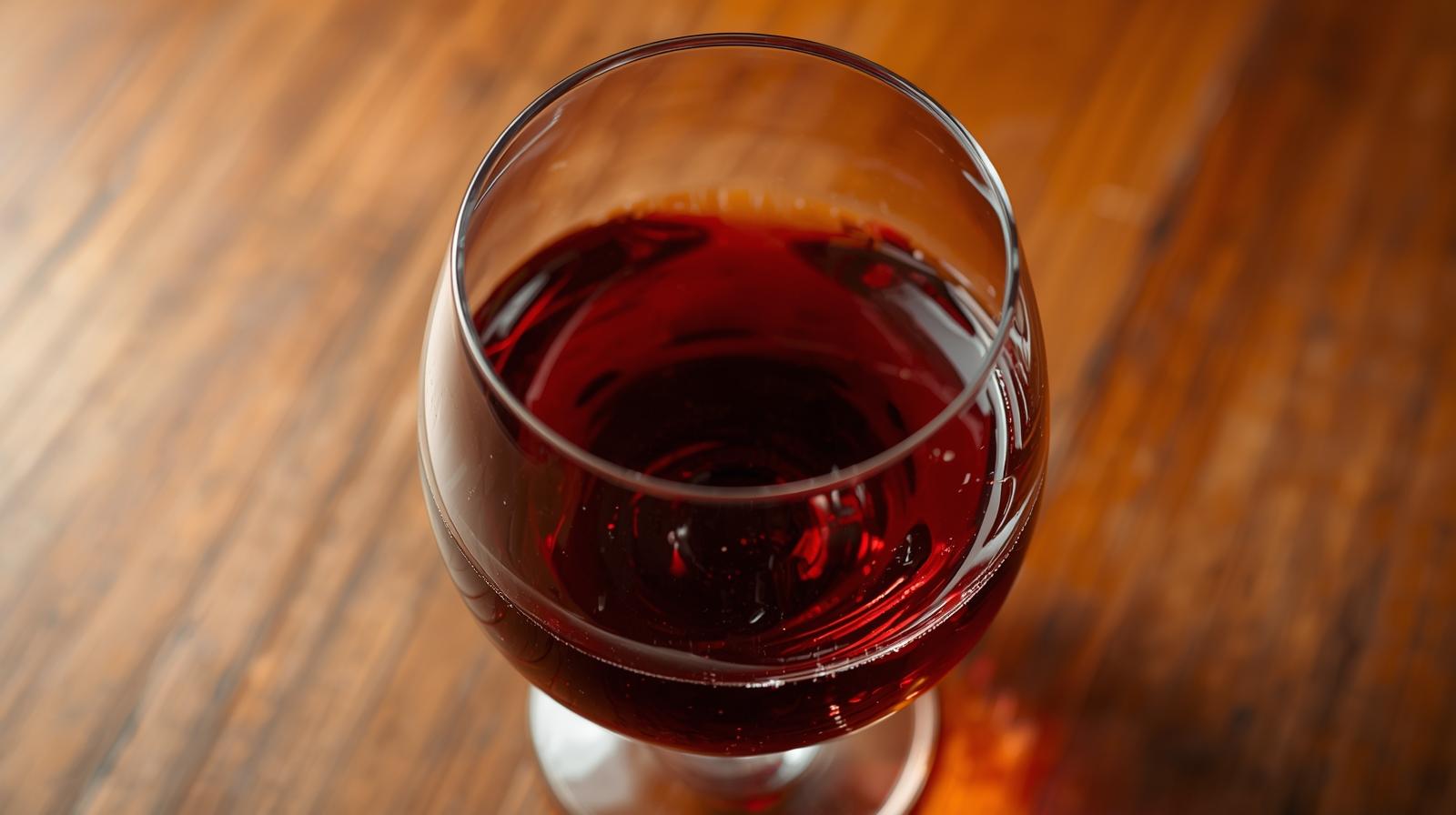
Port carries an air of formality that keeps many Australian drinkers away. The wine seems categorised as something elderly relatives drink after Christmas lunch, or something university students mix into terrible punch bowls. Yet port represents one of humanity’s great winemaking achievements, a style that transforms ordinary wine into something that can age gracefully for centuries. And Australia’s interpretation of port, made from completely different grapes in warmer climates, tells a remarkably different story.
The Portuguese Origin Story: Necessity Creating Genius
Port wine emerged from practical necessity rather than romantic intention. During the late seventeenth century, political tensions between England and France created wine shortages in Britain. English merchants, desperate for wine to replace French imports, turned their attention to Portugal’s Douro Valley. The local wines tasted thin and acidic, unsuitable for the long sea voyage to England. Somebody solved this problem by adding grape spirit to stabilise the wine for shipping. The added alcohol killed harmful bacteria, prevented oxidation, and created a wine that could survive months at sea.
What nobody expected was that this practical solution would create something genuinely delicious. The combination of heat, alcohol, and barrel ageing transformed those harsh Portuguese wines into something smooth, complex, and ageworthy. By the early eighteenth century, port had become fashionable among European aristocracy. What started as a shipping necessity had become the world’s most celebrated fortified wine.
The Douro Valley’s terroir intensified these effects. Steep hillsides with slate-based schist soils create ideal conditions for producing high-quality base wine. The river’s influence creates a Mediterranean-style climate: hot summers, mild winters, minimal rain. These conditions ripen grapes intensely whilst maintaining the acidity crucial for port production.
Understanding Fortification: What Actually Happens
Port begins as regular wine that someone stops fermenting early. As grapes ferment, yeast converts sugar into alcohol, eventually reaching a point where the alcohol concentration kills the yeast and fermentation halts. With port, winemakers deliberately add grape spirit, neutral brandy typically around seventy percent alcohol, to the fermenting wine. This instantly raises alcohol levels to eighteen to twenty-two percent, killing all remaining yeast and preserving substantial residual sugar.
This explains why all port tastes sweet. It’s not that winemakers added sugar after the fact. Rather, they stopped fermentation before yeast could consume all the sugar. The wine’s own grape sugar remains, suspended in a wine of significant alcohol.
Temperature controls everything in this process. Modern port producers cool fermentation tanks to the exact moment they want fortification to occur. Cooler fermentation stops the process earlier, leaving more sugar. Slightly warmer fermentation consumes more sugar before fortification, creating drier styles. This precision differentiates quality port production from more casual approaches.
The Main Port Styles: A Complete Breakdown
Ruby Port represents the youngest, freshest style. These wines ferment normally, then fortification halts the process quickly. Ruby ports age just two to three years in large concrete or stainless steel vats where oxygen contact stays minimal. The result preserves vibrant colour, fresh fruit character, and youthful exuberance. Ruby port tastes like dark berries, plums, black cherries, and fresh fruit. It’s the entry-level style, affordable, immediate, requiring no special knowledge or patience.
Tawny Port represents the opposite approach. These wines age in wooden barrels for extended periods, anywhere from three years for basic Tawny to forty or more years for rare old versions. Gradual oxygen exposure through the barrel staves slowly oxidises the wine. The deep ruby colour gradually transforms to burnished amber or tawny brown. The fresh fruit character fades, replaced by dried fruit, nuts, caramel, toffee, chocolate. A twenty-year-old Tawny tastes like dried figs, burnt sugar, and walnuts. A forty-year-old approaches near abstraction, the fruit almost crystallised into pure essence.
Richard Mayson, fortified wine consultant and author of Port and the Douro, notes that proper Tawnies demonstrate exceptional qualities when aged correctly. Reviewing a Quinta do Vallado Ten Year Old Tawny Port, he observed “quite deep garnet tawny; reserved but refined aromas, smooth and silky, crystallised fruit with a touch of spice towards the finish. Lovely balance. At 13 years of age, a text book colheita.”
The label tells crucial information. A Tawny with no age statement represents basic style. Ten, twenty, thirty, or forty-year Tawnies indicate average age blending. These numbers represent the average age of wine in the blend, not the minimum or maximum. A twenty-year Tawny contains some wine younger and some older than twenty years, all blended to create consistent character from year to year.
Vintage Port demands special attention. These come from exceptional years only, typically declared once every three to five years when the vintage proves outstanding. Vintage ports ferment, get fortified, and age just two to three years in barrel before bottling. Unlike Tawny, they don’t spend decades in barrel. Instead, they age predominantly in the bottle, developing complexity over decades.
A young vintage port tastes nearly impenetrable. The wine appears almost black. Flavours register as intense blackberry, cassis, violets, and graphite. The tannins feel formidable, the acidity sharp. It’s a wine that demands patience. After twenty years, the wine gradually softens, the colour lightens to deep ruby, flavours shift toward dried fruits and savoury complexity. After thirty to forty years, the wine becomes fully mature, developing leather, chocolate, cedar characteristics. Vintage ports from great years continue improving for fifty to seventy years or longer.
Roy Hersh, founder of For The Love Of Port and leading Port wine critic, captures this transformation beautifully when describing a mature vintage: “The 1942 was a medium garnet colour, raisin and sous bois on the nose, still fresh cherry on the palate, with chocolate and tobacco, sweet dates and figs, cinnamon spice, fresh acid, silky tannins and in many ways more like a mature red wine than a port.”
Late-Bottled Vintage Port (LBV) splits the difference between ruby and vintage. These come from a single year, but less prestigious years than vintage declarations. LBVs age four to six years in barrel, gaining complexity from wood exposure whilst avoiding the decades of bottle age that vintage requires. They’re ready to drink immediately upon release, yet can continue ageing another five to ten years in the bottle. An LBV provides vintage port’s richness with ruby port’s accessibility.
How Port And Australian Fortified Wine Differ Fundamentally
Here’s where things become genuinely interesting. Australian port wine doesn’t actually represent port at all in the legal sense. The European Union restricts the port name exclusively to wines from Portugal’s Douro Valley. Yet Australian winemakers have produced fortified wines inspired by port traditions for over a century, using completely different grapes, different techniques, and different terroir.
Jancis Robinson, internationally renowned wine critic writing for Jancis Robinson Wine Reviews, conducted direct comparisons between Portuguese port and Australian fortified alternatives, noting striking differences: “What made the port so obvious was that it was so much drier, more appetising and fresher than the Australian. The Australian, which I found finer than the Langmeil, even had a scent of eucalyptus, a bit of a giveaway. It had the strong coconut smell associated with American oak, another giveaway.”
Robinson’s comments reveal Australian winemakers’ choices. They rely on Shiraz, Grenache, and occasionally Cabernet Sauvignon rather than port’s traditional Portuguese varieties. They use American oak for ageing rather than Portuguese oak, imparting coconut and vanilla characteristics. They pick grapes riper than Portuguese producers, creating wines with different fruit profiles. These aren’t flaws. They’re simply different expressions of the fortified wine tradition, adapted to Australian climate and available grapes.
Rutherglen and nearby regions dominate Australian fortified wine production. The warm climate allows grapes to ripen intensely, developing concentrated sugars and deep colours. Producers like All Saints Estate, Seppeltsfield, and Chambers Rosewood carry on winemaking traditions stretching back generations. Their fortified Muscats and Topaques represent another Australian fortified tradition: not port-inspired, but genuinely unique to Rutherglen’s particular terroir and grape varieties.
The Niepoort Approach: Balance Over Power
Dirk Niepoort, one of Portugal’s most innovative Port producers and owner of Niepoort winery, represents a particular philosophy that challenges traditional port-making conventions. His approach seeks what he describes as “special balance” rather than sheer power.
When discussing the 2017 vintage, Niepoort explains his picking philosophy. As one critic observed: “Dirk claims to pick consistently earlier than his colleagues and he would ensure that any jammy grapes were separated out at selection; in 2017 there weren’t many jammy grapes to start with. His style is one that seeks that special balance: where all of the individual elements that can make young vintage port so big, big fruit, big tannins, big acid, big sugar, big alcohol, come together in such a way that they are both altogether less big and at the same time greater than the individual parts.”
This philosophy extends to Niepoort’s understanding of sweetness. Discussing legendary winemaker Robert Mondavi’s perspective, Niepoort recalls: “All great sweet wines should taste sweet, making them indulgent, but finish dry, so as not to be too heavy and leave you wanting more.” This approach creates ports that feel refreshing despite their sweetness, wines that invite another sip rather than overwhelming the palate.
Serving Port Correctly: Why Temperature Changes Everything
Port’s complexity only expresses itself at proper serving temperatures. This represents perhaps the greatest misconception about port drinking. Many people serve port at room temperature, imagining they’re following tradition. In Portuguese cellars where port historically aged, room temperature hovers around fifteen to sixteen degrees Celsius. In Australian homes during most of the year, room temperature climbs to twenty-two to twenty-five degrees Celsius.
This matters profoundly. Port served too warm tastes syrupy, the alcohol dominates, the delicate aromatic complexity disappears beneath alcohol’s burning sensation. The practical guidance becomes straightforward: temperature control transforms the entire experience.
Ruby port should be served at sixteen to eighteen degrees Celsius. Place the bottle in the fridge for thirty minutes before serving. Tawny port deserves fourteen to sixteen degrees, so chill for twenty minutes. Vintage port requires sixteen to eighteen degrees, comparable to ruby but served with decanting to remove sediment that accumulates through decades of bottle age.
White port, increasingly popular as a sophisticated aperitif, should be chilled to six to ten degrees. It tastes refreshing rather than contemplative, its citrus and floral notes appealing when served genuinely cold.
Richard Mayson, writing for Decanter, emphasises the versatility this creates: “I want my case of 12 Ports to last longer than the 12 days of Christmas and into the better part of the next year, or longer if I’m thinking about cellaring something special for the future. As well as fireside drinking this winter, I’m already thinking ahead to the lazy days of summer, when I want to bide my time with a glass of cool tawny in the garden.”
Food Pairing: When Port Becomes Practical
Port pairs brilliantly with cheese and dessert, but this understates its versatility. Ruby port’s fresh fruitiness works with chocolate, particularly dark chocolate. A glass of ruby port with a piece of really good dark chocolate creates a moment of genuine luxury.
Tawny port’s nutty character pairs wonderfully with caramel desserts, sticky date pudding, or walnut-based cakes. The wine’s inherent sweetness doesn’t compete with these foods. Rather, it harmonises, creating balance rather than excess.
Vintage port, with its formidable structure and complexity, demands serious cheese. Blue cheese, aged cheddar, hard Italian cheeses create perfect partnerships. The wine’s power stands up to cheese’s intensity without disappearing.
Australian fortified Muscats deserve special treatment. Their dark intensity and concentrated sweetness work with spiced desserts or after-dinner contemplation. A small glass of Museum Muscat after dinner becomes an experience rather than merely consuming wine.
The Critics’ Perspective: What Makes Great Port
Sarah Ahmed, acclaimed Portuguese wine critic writing for The Wine Detective, has spent years evaluating port across all styles and ages. Her tasting notes reveal what separates exceptional ports from merely good ones. When describing older colheitas and tawnies, she focuses on balance, persistence, and how wines develop complexity through extended ageing without losing vitality.
Roy Hersh provides equally insightful assessments of vintage port’s ageing potential. Describing a Graham’s 1994 Vintage Port, he notes: “Vinous, extremely balanced and offering scents of red licorice and raspberry fruit with a mocha note. The 1994 offers focused and concentrated fruit that stands out in a crowd. The acidity and ripe, round tannins deliver deft balance. This is going to reward patience and although easy to sip now, Graham’s ’94 will evolve at a high level for another 5 decades and should be permitted to improve in bottle. It’s a remarkable, classic Vintage Port.”
These expert perspectives reveal what serious collectors and enthusiasts seek: not just immediate pleasure, but wines that develop genuine complexity through decades of careful cellaring.
Price and Value: Understanding What You’re Paying For
Ruby port’s affordability makes it ideal for casual entertaining. A decent bottle costs fifteen to twenty dollars, enough to serve friends without financial anxiety. You’re paying for immediate pleasure, fresh fruit character, and the skill to create consistent quality from blended wines.
Tawny port climbs in price with age. A basic Tawny costs twenty to thirty dollars. A ten-year-old sits around thirty to fifty dollars. A twenty-year-old reaches fifty to one hundred dollars. A forty-year-old can exceed three hundred dollars. You’re essentially paying for decades of barrel space, the lost wine through evaporation, the labour of regular tasting and blending, and ultimately, the accumulated expertise that transforms ordinary wine into genuine complexity.
Vintage port’s price reflects declaring only the best years. A vintage from a great year costs eighty to one hundred fifty dollars. The wine spends decades in your cellar, developing. In forty years, that hundred-dollar vintage might be worth three hundred dollars. You’re investing in something that literally improves with time.
Australian fortified wines generally offer exceptional value. Rutherglen Muscats of extraordinary age cost considerably less than equivalent European fortified wines. A Museum Muscat aged over one hundred years remains affordable compared to cognac of similar age. Australian winemakers’ relative anonymity creates bargains unavailable in Europe.
Why Port Still Matters
Port survived for three centuries for good reason. It represents humanity’s attempt to arrest time itself through chemistry and technique. A bottle of port from two hundred years ago can still taste exquisite, the wine having evolved rather than deteriorated. Few beverages accomplish this.
Richard Mayson, discussing port’s ongoing relevance, observes: “There’s something fundamentally fun about Port. It’s universally accessible, it tastes delicious, it’s a high quality wine. It’s not something people are going to have a strong negative reaction to.” This captures port’s democratic appeal whilst acknowledging its technical complexity.
Yet port remains overlooked in contemporary wine culture, overshadowed by table wines that society deems more serious. This represents a genuine loss. A glass of vintage port after dinner becomes something beyond wine consumption. It becomes reflection, contemplation, appreciation of human ingenuity applied to grapes, time, and barrel space.
Australia’s interpretation of these traditions expands rather than diminishes port’s relevance. Australian fortified wines won’t fool anyone as Portuguese port. But they prove the tradition itself transcends geography. Given the right terroir, the right grapes, proper technique, and patience, the fortification tradition produces wines of genuine significance anywhere.
The practical question for Australian drinkers becomes simple: when was the last time you actually tried port? Not the cheap ruby your aunt brings to Christmas, but a proper Tawny chilled to the right temperature? When did you last sit with port and actually pay attention, experiencing how it evolved as it warmed in your glass?
Once you do, port stops being a curiosity about the past and becomes genuinely relevant to your present.
 Shiraz
 Cabernet Sauvignon
 Pinot Noir
 Grenache
 Merlot
 Red Wine Blends
 Chardonnay
 Riesling
 Pinot Gris
 Semillon
 Viognier
 Grenache Rosé
 Pinot Noir Rosé
 Shiraz Rosé
 Sangiovese Rosé
 Aglianico Rosé
 Clairette Rose
 Champagne
 Prosecco
 Sparkling Shiraz
 Blanc de Blanc
 Blanc de Noir
 Pet Nat
 Moscato
 Topaque
 Port
Port Sherry (dry & sweet)
 Muscat & Tokay
 Vermouth