 0473 644 098 · Mon–Fri 9am–5pm AESTHelp & FAQ


Malbec Wine – From French Obscurity to Argentine Icon

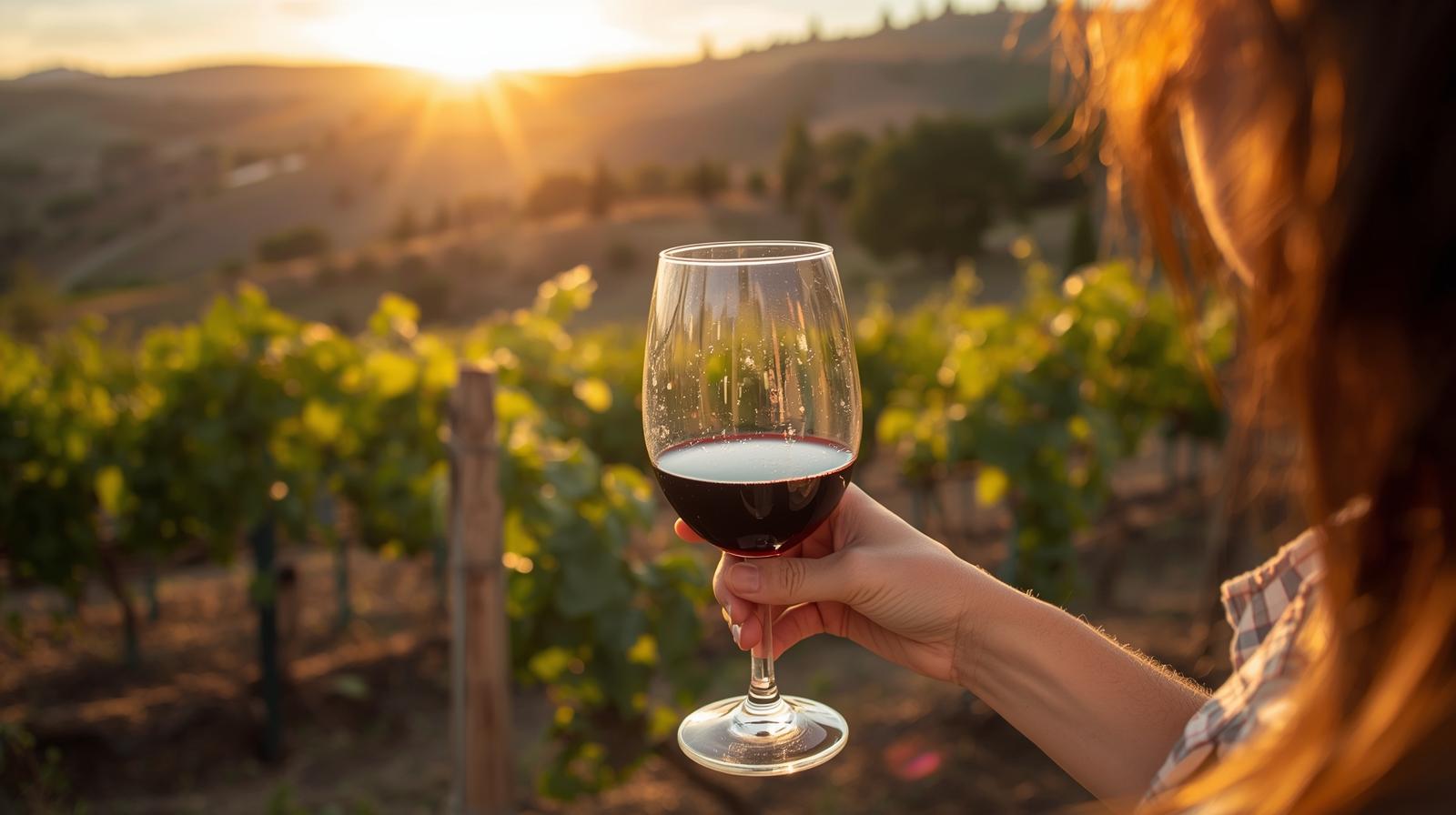
Malbec represents one of viticulture’s greatest redemption stories. Originally cultivated in France’s southwest corner for over two thousand years, the variety declined through phylloxera, frost, and disease susceptibility until it nearly vanished entirely. Then came Argentina, which embraced Malbec as its national treasure and transformed it into one of the world’s most celebrated red wines. Today, Malbec occupies an extraordinary position: a French classic reimagined through Argentine innovation, creating wines ranging from elegant and structured through to bold and fruit-driven depending on terroir and winemaker vision.
Understanding Malbec means understanding how geography and climate fundamentally reshape wine character, and how sometimes the greatest wines emerge when grapes find unexpected homes across the ocean.
When the Romans First Planted Malbec: The Ancient Story
Malbec’s documented history stretches back to ancient Rome. The grape thrived around Cahors, known as Divona during Roman occupation, where monks cultivated vines from the 6th century onwards. The “Black Wine of Cahors” (referencing its deep, inky colour from Malbec’s thick skins) gained sufficient prestige to appear at the 1152 marriage celebration of Eleanor of Aquitaine and Henry II, and later graced the court of Francis I of France.
The grape acquired numerous names throughout French history: Auxerrois, Côt, Noir de Pressac, and eventually Malbec, honouring an 18th-century Quercy wine merchant who spread the variety across southwest France and Bordeaux. By the 1855 Classification of Bordeaux, Malbec appeared in prestigious châteaux blends, occasionally comprising up to 50% of Right Bank wines. Yet even then, Malbec served supporting rather than starring role, contributing colour and tannin to wines dominated by other varieties.
When Everything Went Wrong: How France Nearly Lost Malbec
Disaster struck twice, and both times proved catastrophic. Phylloxera devastated European vineyards in the 19th century, destroying vast areas of established Malbec plantings. Then came something arguably worse: the Great Frost of 1956, which literally froze vines to death overnight across thousands of hectares. Temperatures plunged from warm afternoons to brutal freezing nights, killing most of the vineyards in both Bordeaux and surrounding regions in a single devastating evening.
Malbec’s poor resistance to weather, disease, and pests made replanting unappealing. Vignerons preferred more reliable Merlot and Cabernets. By the 20th century, Malbec had faded to marginal status in its homeland. What was once a prestigious wine had become an afterthought, relegated to supporting role in blends few people remember or respect.
When the New World Changed Everything: Argentina’s Malbec Discovery
Then came Argentina. The variety arrived in the 1850s, introduced by Michel Pouget and other French immigrants seeking fresh starts in the New World. Malbec found ideal conditions in Mendoza’s high-altitude regions, particularly Luján de Cuyo and the Uco Valley. The dry climate, dramatic temperature variations between day and night, and poor soils created perfect conditions for what would become Argentina’s definitive wine.
Today, Malbec comprises over 75% of Argentina’s red grape plantings. The transformation proved so complete that many people now think of Malbec as inherently Argentine rather than French.
How Geography Actually Changes Wine: Understanding Terroir’s Real Power
Malbec demonstrates terroir’s transformative power perhaps better than any other variety. The same grape in different climates produces wines so distinctive they barely seem related.
Master of Wine Jancis Robinson captures Argentine Malbec’s essential character beautifully: “Good Argentine Malbec, and there is a great deal of it for Argentina is one of the world’s most prolific wine producers, is deeply coloured, spicily rich with an exuberant juiciness and has as a trademark an almost velvety texture.” She adds that “With its high levels of alcohol and fruit, Argentine Malbec is not difficult to like.”
Robinson identifies Mendoza as “Argentine Malbec’s homeland and within it the Luján de Cuyo district just south of the leafy city of Mendoza was relatively early identified as Malbec’s spiritual home. Malbec can be planted at slightly higher altitudes than the late ripening Cabernet Sauvignon – in fact it retains its acidity and aroma better that way.”
French Malbec, by contrast, emphasises structure, acidity, and earthy complexity. The wines display dark fruit alongside savoury, almost austere character. Young bottles taste forbidding, requiring 5-10 years cellaring before tannins integrate and secondary characteristics emerge. The experience proves completely different from Argentina’s immediately approachable expressions.
When the New School Winemakers Changed Everything Again
James Suckling, one of the world’s most influential wine critics, has witnessed Malbec’s evolution firsthand. He observed something crucial: “The old school style of winemaking in Argentina is losing ground. I find it as a wine critic harder and harder to like. Why hide great fruit and terroir with overripe fruit, over-extraction and sweet and overpowering oak? You lose the purity and sense of place.”
Suckling champions the younger generation: “I have met many young winemakers who despise the old style such as Sebastian Zuccardi, Marcelo Pelleriti, Fernando Buscema, and Jose Lovaglio. They want to show the world the amazing vineyards they have through refined, focused and clear wines. I applaud them.”
This philosophy has produced remarkable results. Robert Parker’s team awarded 100 points to the 2021 Adrianna Vineyard River Malbec, noting: “It’s powerful but extremely elegant in that rare combination of clout and energy, a wine of light, aerial, with some ethereal qualities, delicate and refined. This combines the cool place and high altitude, the cool year and the stony soils, to deliver a stunning Malbec that goes well beyond the variety. Bravo!”
Perfect scores represent extraordinary rarity. This one captures what serious, contemporary Malbec achieves.
When Premium Malbec Gets Serious: The Catena Story
Jancis Robinson reviewed Catena Malbec 2004 with enthusiasm that captures what serious Malbec really does: “What impresses me about this wine is that it is indisputably Argentine Malbec but the structure is absolutely classic claret – nothing too heavy, with a beginning, middle and an end to it, lots of complexity but refreshment too. There is wonderful life in this wine.” She described it as “serious, grown-up red wine by any measure which is already drinking well but has the structure to continue to develop for the next four or five years.”
Robinson identifies something crucial about Malbec’s recent evolution: “It is significant that so many of those now trying to make luxury wines in Argentina have either based their extremely expensive blends on Malbec or at the very least incorporate it to a significant degree.” She cites joint ventures including Caro (Château Lafite-Rothschild and Nicolás Catena), Cheval des Andes (Chateau Cheval Blanc and LVMH), and Michel Rolland’s extensive Argentine range as evidence of Malbec’s genuine luxury potential. The world’s greatest winemakers literally put money behind Malbec.
What You Actually Taste: Getting to Know Malbec
Argentine Malbec typically displays deep purple colour, abundant dark and blue fruit (blackberries, plums, blueberries), hints of violet and lavender, chocolate undertones, and occasionally oak-derived vanilla and spice. Jancis Robinson notes the trademark “velvety texture” and “exuberant juiciness” that distinguish quality examples from mediocre bottles.
French Malbec appears darker, almost inky. The aromatics prove more restrained, emphasising savoury characteristics. Plum, blackberry, and cherry combine with leather, earth, tobacco, and occasionally meat or game notes. The palate displays firmer tannins, higher acidity, and more pronounced mineral quality. The overall impression emphasises restraint and structure over immediate accessibility.
What Foods Actually Pair With Malbec
Malbec proves ideal with grilled meats, steaks, barbecued preparations, and bold flavoured dishes. The fruit-driven character of Argentine examples balances heat whilst acidity refreshes between bites. Spicy preparations including chilli-based dishes work beautifully.
French Malbec pairs elegantly with roasted lamb, duck, game, and rustic preparations. The structural tannins and acidity cut through rich meats without overwhelming delicate flavours.
Robinson notes something particularly useful: “Unlike Cabernet Sauvignon, Malbec doesn’t have a super-long finish. Which means Malbec is a great food match for leaner red meats (think venison or ostrich, not just cuts of steak). It also works well with funkier flavours like blue cheese.” This represents a genuine advantage Malbec possesses compared to heavier reds.
What Top Critics Actually Think: The Consensus
James Suckling emphasises the contemporary approach’s superiority: “What’s interesting is how this definition is changing. Malbec is finally coming of age as a wonderful communicator or medium for the diverse and alluring soils and microclimates of the best wine regions of Argentina.”
This evolution reflects fundamental shifts in viticulture and winemaking. Picking times now occur three to four weeks earlier than fifteen years ago. Winemaking emphasises gentler extraction. Microvinification, experimentation, and natural approaches combine to embrace a “less is more” philosophy that lets terroir shine through rather than obscuring it.
Robert Parker himself awarded multiple perfect scores to Argentine Malbec, recognising power combined with elegance, energy balanced with finesse. The critical establishment genuinely respects what contemporary Malbec achieves.
A Grape That Reinvented Itself
Malbec represents one of viticulture’s most compelling narratives: ancient grape nearly lost to history, rediscovered in unexpected geography, transformed into one of the world’s most celebrated wines through sheer determination and terroir advantage. From French obscurity to Argentine icon, Malbec demonstrates that geography doesn’t merely influence wine—it completely reshapes character, that place transcends varietal tradition, and that sometimes the greatest wines emerge when grapes find unexpected homes across the ocean.
Whether seeking immediately approachable fruit-driven pleasure through contemporary Argentine expressions or elegant, food-compatible character through French examples, Malbec offers genuinely compelling option deserving serious respect and regular exploration.
 Shiraz
 Cabernet Sauvignon
 Pinot Noir
 Grenache
 Merlot
 Red Wine Blends
 Chardonnay
 Riesling
 Pinot Gris
 Semillon
 Viognier
 Grenache Rosé
 Pinot Noir Rosé
 Shiraz Rosé
 Sangiovese Rosé
 Aglianico Rosé
 Clairette Rose
 Champagne
 Prosecco
 Sparkling Shiraz
 Blanc de Blanc
 Blanc de Noir
 Pet Nat
 Moscato
 Topaque
 Port
Port Sherry (dry & sweet)
 Muscat & Tokay
 Vermouth