 0473 644 098 · Mon–Fri 9am–5pm AESTHelp & FAQ


Beaujolais – Where Gamay Transforms Granite into Liquid Poetry

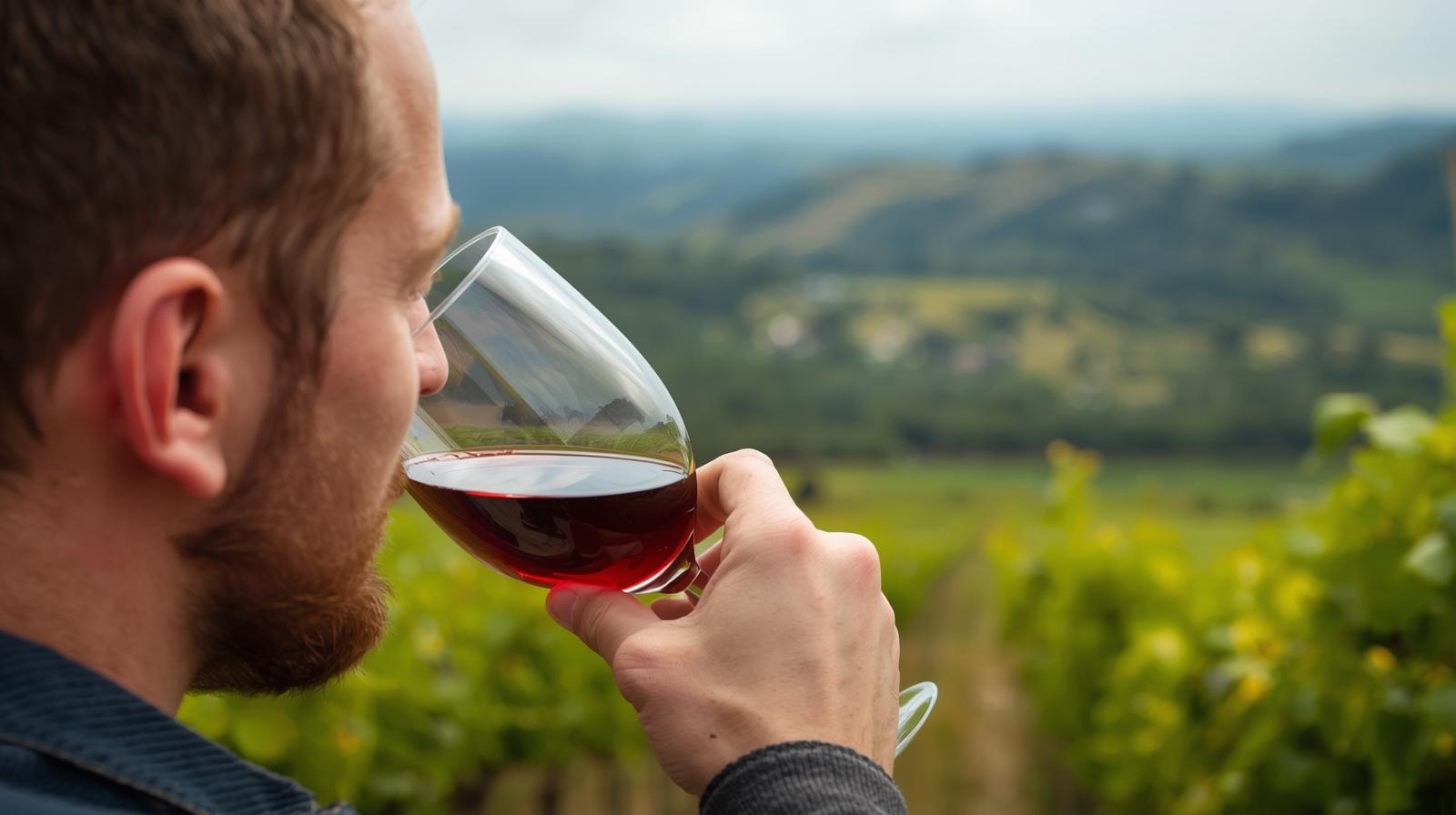
Beaujolais has undergone a remarkable transformation. Once misunderstood and dismissed because of Beaujolais Nouveau, the region now produces some of the world’s most compelling Gamay-based wines. The ten crus of northern Beaujolais showcase extraordinary diversity, with granite and schist soils creating wines that rival fine Burgundy. From Morgon’s structured power to Fleurie’s ethereal elegance, from Moulin-à-Vent’s aging potential to the overlooked gems of Chiroubles and Régnié, Beaujolais delivers exceptional quality at prices that shame more famous regions. This guide explores the finest Beaujolais wines, highlighting producers and crus that define contemporary excellence.
Morgon: The King of Beaujolais Crus
Jean Foillard Morgon Cuvée 3.14 2016
Rating: 4.4 Vivino | #1 Beaujolais
✓ Neal Martin: “Pure Gamay in full flight”
✓ William Kelley: 94 points
✓ Iconic Producer
Jean Foillard represents the pinnacle of Beaujolais winemaking. His Cuvée 3.14 from the Côte du Py has achieved legendary status among serious wine enthusiasts. Neal Martin captured its essence perfectly when tasting the 2017: “The color was iridescent, the bouquet pure Gamay in full flight: copious blueberries, cassis, crushed violets and blood oranges, all delivered with superb delineation and brightness. The palate harnessed the vivacity and unpretentiousness of Gamay with fine tannins, pure, tart black and red fruit and veins of blueberry. There was a gentle but insistent grip on a finish of supreme length. An outstanding Beaujolais wine, but frankly, I expected nothing less from this producer.”
William Kelley from Robert Parker’s Wine Advocate described the 2017 Côte du Py with equal enthusiasm: “Medium to full-bodied, with a generous core of ripe but succulent fruit, tangy acids and powdery structuring tannins that assert themselves gently on the long, sapid finish. This is somewhat more sun-kissed in profile.”
One Reddit user confessed that when they blind tasted Foillard’s Morgon, they were “convinced that a wine Adam had brought was a pinot noir. Not only that but one with concentrated fruit, spice, savoury notes, lifted aromatics and aging potential. Too savoury probably to be a new world example and perhaps not concentrated enough to be Central Otago so quite possibly a very good village Burgundy. Well it turned out to be a Morgon Beaujolais Cru!”
The wine demonstrates what makes Foillard’s approach special: organically farmed old vines, cold carbonic maceration with whole clusters lasting three to four weeks, and aging for six to nine months in previously used oak barrels with no sulfur added during winemaking. This traditional Beaujolais method creates wines of exceptional purity and ageability.
Domaine Marcel Lapierre Morgon 2023
Rating: 4.2 Vivino
✓ “Benchmark wine for the region”
✓ Wines With Attitude: “Bowled over”
✓ Natural Wine Icon
✓ Mathieu Lapierre: “Wonderfully fruity with lots of raspberry notes”
Marcel Lapierre’s legacy continues through his son Mathieu and daughter Camille. The late Marcel was a pioneer of natural winemaking in Beaujolais, part of the legendary “Gang of Four” alongside Thévenet, Breton, and Foillard. Wines With Attitude describes it perfectly: “I was bowled over when I first tasted an earlier vintage of this wine and it continues to impress each year. Marcel Lapierre Morgon is light and fruity but complex with a really smooth texture, a little like a fine Pinot Noir. A really elegant and fruity wine.”
Corso Wines offers technical perspective: “This structured and lovely Morgon is a benchmark wine for the region; cherries, concord grape and plums abound along with a firm structure, licorice, mineral and taut acidity.”
Taste56 notes the wine is “medium-bodied, straddling Tone & Backbone and Smooth & Silky, there are aromas and flavors of bramble and red berry fruit, followed by wild herbs and herbal tea. There are notes of forest floor, pastille, and spice in the mineral-driven finish.”
Decántalo describes the 2023 vintage in detail: “On the nose, it presents aromas of cherry, violet, and liquorice, complemented by forest freshness and balsamic tones. On the palate, it is structured, fresh, and luscious, with a sharp acidity that integrates perfectly with notes of fruit and liquorice, along with an intense minerality. Its juicy profile makes it very pleasant and easy to enjoy.”
Virgin Wines captures the immediacy of the wine: “A super juicy, raspberry and strawberry fruit-filled red with lovely slippery tannins and just a hint of liquorice. This wine is already very drinkable, but if you want a little more depth and structure to develop, we recommend keeping it for a couple of years.”
Mathieu Lapierre himself described his approach: “We have 15 hectares of vines on the granitic soils of Morgon and always look to produce wines that reflect the vintage and how that flavoured the grapes. This is, as always for us, wonderfully fruity with lots of raspberry notes, well-structured ripe tannins and plenty of mouth-filling texture.”
The winemaking follows Marcel’s revolutionary approach: whole grape semi-carbonic maceration without SO2 for 10 to 21 days, alcoholic fermentation at controlled temperature in stainless steel tanks with native yeasts, and malolactic fermentation in used oak barrels that are 3 to 13 years old. The wine then ages for around 9 months in French oak barrels before being bottled without filtration.
One Reddit reviewer offered honest perspective: “The wine had good, medium-length, and beautifully resolved tannins providing the wine some grip. The wine is astringent and decently balanced. I detected aromas reminiscent of cotton candy, allspice, licorice, and cherries. While the wine was a touch astringent and reasonably balanced, we felt it lacked a bit of depth. I noticed a hint of effervescence, a fleeting spritz.”
Jean-Paul Thévenet Vieilles Vignes Morgon 2023
Rating: 4.3 Vivino | #3 Beaujolais
✓ Old Vine Expression
✓ Gang of Four Member
✓ Exceptional Quality
✓ Traditional Beaujolais Excellence
Jean-Paul Thévenet, another member of the Gang of Four who revolutionized Beaujolais winemaking, produces Morgon of exceptional purity and depth. His vieilles vignes bottling showcases what old vines contribute: concentration, complexity, and remarkable aging potential.
Thévenet’s approach mirrors his Gang of Four colleagues: organic vineyard management without certification, low yields from old vines, traditional whole-cluster fermentation, and minimal intervention in the cellar. The result is Morgon that expresses terroir with exceptional clarity.
The 2023 vintage benefits from Thévenet’s decades of experience. His old vines, some planted before World War II, produce grapes of natural concentration. The wine shows classic Morgon structure with firm but fine tannins, bright acidity, and complex fruit character that develops beautifully with age.
Critics consistently praise Thévenet’s ability to capture Morgon’s essence while allowing vintage variation to express itself. His wines demonstrate that natural winemaking, when executed by masters, produces results that equal or exceed conventional approaches.
Moulin-à-Vent: Where Beaujolais Meets Burgundy
Yohan Lardy Vieilles Vignes Moulin-à-Vent 2023
Rating: 4.3 Vivino | #2 Beaujolais
✓ James Suckling: 98 points “Extraordinary”
✓ Neal Martin: 92 points Vinous
✓ Vines Planted 1903
✓ Hi-Time Wine: “Blown away by the purity, intensity and freshness”
Yohan Lardy represents Beaujolais’ rising star. His vieilles vignes bottling from vines planted in 1903 has received extraordinary acclaim. James Suckling awarded 98 points, stating: “It’s hard to wrap your head around this extraordinary Moulin-à-Vent.”
Hi-Time Wine describes the experience: “This refreshing medium-bodied, dry red wine immediately caught our attention when we tasted it and were blown away by the purity, intensity and freshness of the fruit. The wines made by this domaine are deliciously drinkable and serious wines which show what Beaujolais is capable of. The old vines impart a concentrated purity that is memorable. This is a fantastic example of what Beaujolais is capable of.”
Neal Martin from Vinous awarded 92 points, noting: “It has a wonderful nose of crushed stone and iris petal commingling with blackberry and strawberry fruit. Impressive delineation. The palate is medium-bodied with lovely depth and sense of symmetry. There’s vibrant red berry fruit with just a touch of reduction on the finish that will be addressed by bottle age. This is worth hunting down.”
Wine Solutions captured the wine’s essence: “I highly recommend this for its purity, depth, and utter deliciousness. It has a nose that just does not quit with a gorgeous perfume that pulls you in to stay! It is red wine chilling weather and Beaujolais Cru is hard to beat for that.”
SAQ Quebec described the wine as “expressing undeniable strawberry and raspberry notes, it also offers floral and spicy notes on the palate. The texture is fine, caressing and the tannins elegant.”
One CellarTracker user detailed the evolution: “In the mouth, such a soft/delicate texture like a down comforter, airy but having puffy volume. On day 2-3, gained massive red sour plum fruit and more upfront acidity, everything got more integrated. Tannins got more supple texture without losing the softness, like a cloudy thick peach juice. This is exactly what I expect from crus Beaujolais, it grew in me sip by sip.”
Ken’s Wine Guide provided technical tasting notes for the 2020 vintage: “This medium ruby colored Beaujolais from the Moulin-à-Vent commune opens with a blackberry and violets bouquet with hints of spiced plum and iris. On the palate, this wine is medium bodied with integrated medium acidity. The mouthfeel is nicely balanced, and smooth. The flavor profile is blackberry and red cherry blend with notes of flinty minerality. We also picked up some hints of orange peel and faint oolong tea. The finish is quite dry, and its moderate tannins and flavors linger and last for quite a while.”
The winemaking demonstrates Lardy’s commitment to quality. The Moulin-à-Vent Vignes de 1903 comes from Gamay vines planted in 1903 on a micro-terroir of 75 ares. The work remains manual and natural, just as it was when the vines were planted. Aging of 9 months in old Burgundy barrels gives this cuvée beautiful texture. The wine can be kept for fifteen years, developing complexity while maintaining its vibrant fruit character.
Lardy owns several hectares of old Gamay vines on plots planted in 1911 and 1950 on the heights of Cru Moulin-à-Vent, in the “Les Michelons” climate. Harvests are manual and vinification is done in whole clusters with indigenous yeasts, without any input. The estate is in the process of obtaining High Environmental Value certification. The wines are aged in oak barrels to obtain the best possible balance between fruit and tannins.
Jean Foillard Fleurie 2022
Rating: 4.2 Vivino
✓ Neal Martin: 93 points “Superb”
✓ Different Drop: “One of the world’s great expressions of Gamay”
✓ Reddit: “This Fleurie is a beast”
✓ Master of Gamay
Foillard’s Fleurie showcases the cru’s characteristic elegance and floral character. Neal Martin awarded 93 points to the 2023, noting: “The 2023 Fleurie comes from south-facing vines, the first to be picked within the ‘Champagne’ lieu-dit. It has a little more fruit intensity than the Côte du Py, with raspberry, blackcurrant, allspice and light white pepper scents. The palate is well balanced with fine tannins, gentle grip, sapid red fruit and a tightly coiled, mineral-laden finish. Superb.”
Different Drop captures why Foillard’s Fleurie commands such devotion: “Jean Foillard’s Fleurie is one of the most coveted wines in his lineup, often snapped up by French locals before it even makes its way to Australia. The 2023 vintage continues to showcase why it’s so beloved: it’s all about perfume, finesse and that signature Foillard touch of silken texture. Hailing from vines in the heart of Fleurie, this is classic Gamay given the Foillard treatment: pure, bright red fruit, lifted florals and that unmistakable minerality that sets his wines apart. The 2023 season delivered wines of superb balance and freshness, offering up a delicately spiced bouquet of cherry blossom, raspberry and hints of peony. On the palate, it’s lively yet supple, with fine-grained tannins and a mouthwatering acidity that carries the flavours long and bright. There’s a sense of both energy and grace here. This is one of the world’s great expressions of Gamay, capturing all the detail and nuance that the Fleurie cru can offer.”
One Reddit enthusiast described the 2022 with genuine excitement: “This Fleurie is a beast. It smells like black raspberry juice and the inside of a warm barn. There is a hint of evergreen as well. It tastes like fresh berries and pine, with a medley of spices that are difficult to pinpoint, leaving a long-lasting impression. While the tannins are hardly noticeable, the acidity comes through with a slight sharpness. Given the abundant fruit, which is beautifully balanced, I believe this wine will reach its peak in 5 to 10 years. However, I’m not sure I can resist drinking the other three bottles for that long. If you have the chance to try any of Foillard’s wines, I highly recommend them; they are truly exceptional.”
Another taster noted: “My introduction to Jean Foillard’s wines began around eight years ago with the 2009 Fleurie, and I instantly became a fan. Since then, I’ve sampled a couple of other vintages of his Fleurie, along with perhaps a Cote du Py. In contrast to the Corcelette, the Fleurie I opened is a powerhouse.”
Robert Parker’s Wine Advocate described the 2010 vintage: “The Fleurie 2010 has a fragrant, floral bouquet, with notes of faded violet petals enhanced by cherry and bergamot. The palate is medium-bodied, with supple tannins. The fruit is very pure, with notes of raspberry coulis and wild strawberry.”
WineStyle described the 2018: “The taste of the wine is fresh, juicy, silky, with striking minerality, herbal notes, delicate fruit and berry shades and light caramel nuances. The aroma of wine is filled with tones of red fruits and delicious floral (iris, violet, withered rose) shades.”
CellarTracker noted about the 2018: “On the palate this is medium bodied with medium+ acidity that provides a bracing and super appealing contrast to the dark fruit and bramble flavors. This might be the most structured Beaujolais I have tasted and seems to have great aging potential.”
Foillard’s Fleurie comes from 45-50 year old vines growing on a plot of 1 hectare with soils of pink sandstone. The vineyard is treated organically, involving the abandonment of artificial fertilizers and work exclusively by hand. Traditional Beaujolais vinification consists in cold carbonic maceration by whole clusters and fermentation lasting from 3 to 4 weeks. Then the wine is aged for 6-9 months in previously used oak barrels. The use of sulfur oxide during vinification is strictly excluded.
Hedonism describes Fleurie perfectly: “The appropriately named Fleurie is one of the most highly regarded of Beaujolais’ 10 crus and is renowned for producing silky, floral and ethereal Gamay red wines. The best examples have surprising structure and can age well for 10 years or more.”
Château du Moulin-à-Vent Les Grands Savarins 2022
Rating: Natasha Hughes MW Cellar Selection
✓ Aging Potential
✓ Lieu-dit Excellence
✓ Structured Power
✓ Traditional Excellence
The Château du Moulin-à-Vent produces wines of exceptional structure and aging potential from the Les Grands Savarins lieu-dit. This climats demonstrates why Moulin-à-Vent has earned recognition as Beaujolais’ most Burgundian cru.
The vineyard sits on pink granite with a thin layer of manganese-rich soil that gives Moulin-à-Vent its distinctive character. This geological composition creates wines with firm tannic structure, concentrated fruit, and remarkable aging capacity. While most Beaujolais drinks best young, Moulin-à-Vent develops complexity over decades.
The Château maintains traditional winemaking approaches while incorporating modern precision. Whole-cluster fermentation preserves the aromatic lift and structural tannins that define quality Moulin-à-Vent. Extended maceration extracts the phenolic compounds that enable long-term aging. Oak aging, typically 10-12 months in neutral barrels, adds texture without dominating the wine’s inherent character.
The 2022 vintage shows classic Moulin-à-Vent personality: dark fruit concentration, firm but refined tannins, bright acidity, and mineral undertones. The wine demands patience. Immediate drinking reveals power and structure. Five to ten years of cellaring rewards with developed complexity, tertiary aromas, and silky texture that rivals fine Burgundy.
Natasha Hughes MW selected this wine for her cellar recommendations, noting its exceptional aging potential. The Les Grands Savarins lieu-dit consistently produces Moulin-à-Vent of serious quality, demonstrating what the cru achieves when tradition meets precision.
Domaine des Moriers Moulin-à-Vent 2020
Rating: 4.2 Vivino
✓ Traditional Excellence
✓ Well-Aged Expression
✓ Complex Development
✓ Value for Age
With five years of bottle age, the Domaine des Moriers 2020 demonstrates Moulin-à-Vent’s capacity for aging gracefully. The wine has developed toasty complexity, tertiary aromas, and integrated tannins while maintaining vibrant fruit character.
The 2020 vintage benefited from excellent growing conditions. Warm summer temperatures produced ripe, concentrated fruit. Cool nights preserved acidity. The balance between ripeness and freshness creates wines built for aging.
Five years in bottle has transformed the wine. Primary red fruit has evolved into darker, more complex flavors. Gamay’s characteristic cherry and raspberry notes now intermingle with earth, leather, and dried herb. The tannins, initially firm, have softened and integrated. The wine shows the gamey, meaty quality that aged Moulin-à-Vent develops.
This level of development at five years suggests excellent long-term potential. The wine should continue evolving beautifully for another decade, demonstrating that quality Moulin-à-Vent rewards patient cellaring just as fine Burgundy does.
The Domaine des Moriers practices traditional viticulture and winemaking. Old vines, manual harvesting, whole-cluster fermentation, and neutral oak aging create wines that honor Moulin-à-Vent’s heritage while expressing each vintage’s particular character.
At current pricing with five years age, this wine represents exceptional value. Comparable quality from Burgundy would cost multiples more. The 2020 demonstrates why serious wine enthusiasts increasingly turn to Beaujolais crus for aged Gamay of genuine complexity.
Domaine Anita Coeur de Vigneronne Moulin-à-Vent 2022
Rating: 4.2 Vivino
✓ Anita Neveu Quality Commitment
✓ James Suckling Recognition
✓ Professional Cyclist Turned Winemaker
✓ New Generation Excellence
Anita Neveu, former member of the French national cycling team, brings athletic dedication to winemaking. James Suckling praised her work and philosophy: “Anita Neveu of Domaine Anita explained the internal logic. There are now two types of winemakers in Beaujolais: those who are absolutely determined to make top quality every year, and those making normal wines to a price point. The former professional cyclist rightly puts herself in the former group.”
This distinction matters. The quality-focused group invests in old vines, accepts lower yields, harvests selectively, ferments traditionally, and ages wines properly. They prioritize excellence over volume. They accept vintage variation rather than manipulating wines toward consistency. They age wines before release rather than rushing them to market.
Neveu’s Coeur de Vigneronne demonstrates this commitment. The wine comes from old vines in Moulin-à-Vent’s best sites. Manual harvesting ensures only ripe, healthy fruit reaches the winery. Whole-cluster fermentation with indigenous yeasts preserves aromatic complexity. Extended maceration extracts the phenolic compounds that create Moulin-à-Vent’s characteristic structure.
The 2022 vintage shows Neveu’s developing mastery. The wine balances power with elegance. Firm tannins provide structure without hardness. Bright acidity maintains freshness. The fruit shows concentration without heaviness. Mineral undertones add complexity and length.
Critics increasingly recognize Neveu’s work. Her wines appear regularly in serious Beaujolais tastings. Sommeliers champion her expressions. Collectors seek her limited production. The acclaim reflects genuine quality, not marketing hype.
The athletic discipline that characterized Neveu’s cycling career translates perfectly to viticulture. Vineyard work demands physical stamina, attention to detail, and unwillingness to accept shortcuts. These qualities produce wines of exceptional quality from a producer who will shape Beaujolais for decades.
Beaujolais has transformed from misunderstood region to source of exceptional value and quality. The ten crus offer extraordinary diversity, from Morgon’s structured power to Fleurie’s ethereal elegance, from Moulin-à-Vent’s aging potential to the overlooked excellence of Chiroubles and Régnié. Producers like Jean Foillard, Marcel Lapierre, Yohan Lardy, and Anita Neveu demonstrate that Gamay on granite can rival fine Burgundy at a fraction of the price.
The quality revolution continues. As James Suckling observed, there are now two types of winemakers in Beaujolais: those absolutely determined to make top quality every year, and those making normal wines to a price point. The former group has never been larger or more talented. Whether seeking wines for immediate drinking or serious cellar candidates, Beaujolais delivers exceptional quality across price points. Explore these benchmark bottles. Experience what makes contemporary Beaujolais among the world’s finest red wines.
 Shiraz
 Cabernet Sauvignon
 Pinot Noir
 Grenache
 Merlot
 Red Wine Blends
 Chardonnay
 Riesling
 Pinot Gris
 Semillon
 Viognier
 Grenache Rosé
 Pinot Noir Rosé
 Shiraz Rosé
 Sangiovese Rosé
 Aglianico Rosé
 Clairette Rose
 Champagne
 Prosecco
 Sparkling Shiraz
 Blanc de Blanc
 Blanc de Noir
 Pet Nat
 Moscato
 Topaque
 Port
Port Sherry (dry & sweet)
 Muscat & Tokay
 Vermouth