 0473 644 098 · Mon–Fri 9am–5pm AESTHelp & FAQ


Climate-Smart Viticulture: How Ancient Greek Techniques Are Shaping Australia’s Wine Future

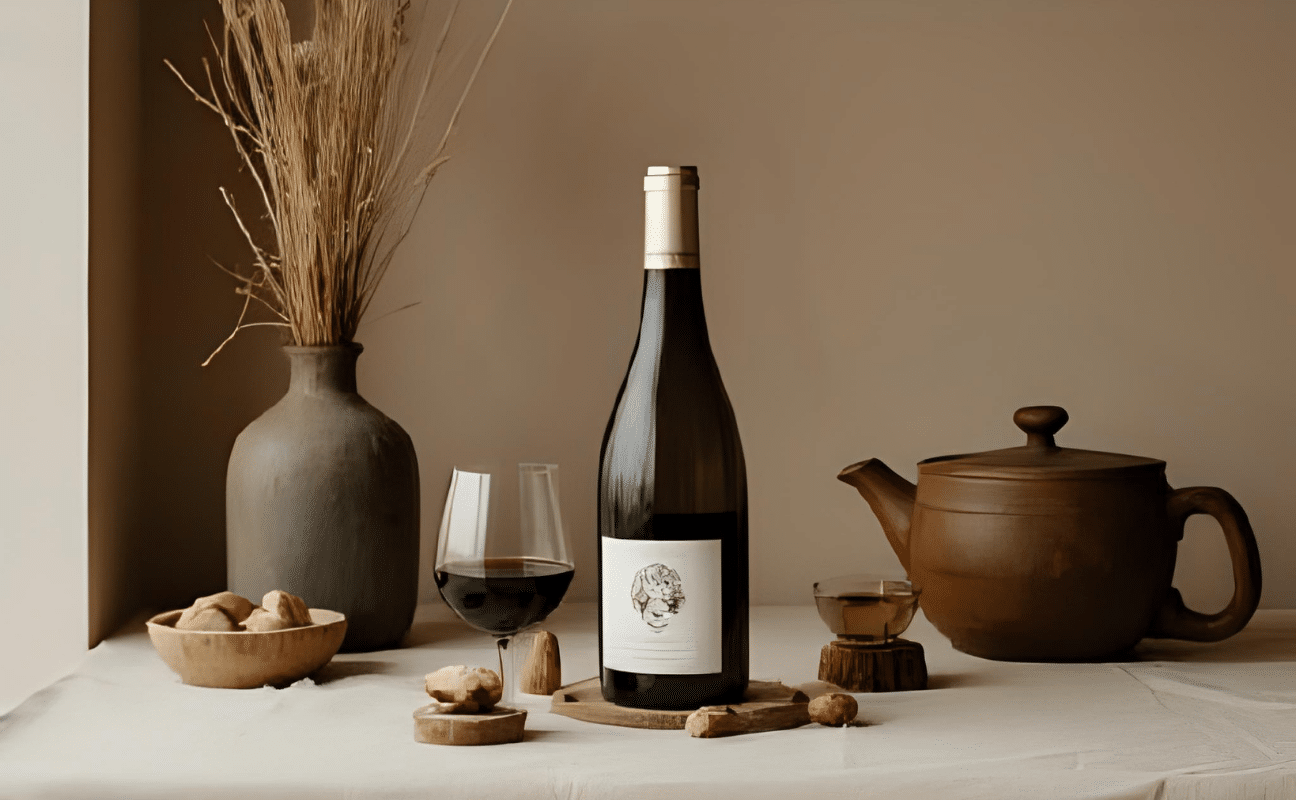
Australia’s wine industry stands at a crossroads. As temperatures rise and drought becomes more frequent, traditional grape varieties that built the country’s reputation are struggling in regions where they once thrived. The solution may lie not in revolutionary new technology, but in ancient viticultural wisdom from the sun-baked islands of Greece.
Lessons from Santorini’s Volcanic Vineyards
On the Greek island of Santorini, vines have survived for centuries in conditions that would challenge most modern vineyards. The secret lies in a traditional training method called ‘kouloura’, where vines are coiled into basket shapes close to the ground. This ingenious technique traps precious humidity while shielding grapes from relentless sun and fierce winds.
The star of Santorini’s volcanic terroir is Assyrtiko, a white grape variety that maintains crisp acidity and mineral intensity even under extreme heat. This remarkable resilience makes it a natural candidate for Australia’s warming climate, where maintaining acidity in white wines has become increasingly challenging.
Australian producers are taking notice. Jim Barry has already embraced Assyrtiko, and other forward-thinking winemakers across regions like McLaren Vale, Barossa Valley, and Mudgee are exploring its potential. The variety’s proven commercial appeal, combined with its climate resilience, positions it as a cornerstone grape for Australia’s hotter future.
Mediterranean Varieties: Australia’s Climate Insurance
Beyond Assyrtiko, a wealth of Greek grape varieties offers solutions for different climatic challenges. Malagousia brings aromatic complexity while withstanding heat stress, making it ideal for regions where traditional aromatics struggle. Roditis thrives in dry conditions, producing fresh, citrus-driven wines that maintain vibrancy despite water scarcity.
For red wine production, Greek varieties present equally compelling options. Agiorgitiko delivers structured yet approachable wines in hot climates, while Xinomavro produces age-worthy, complex reds that flourish in conditions similar to Australia’s inland heat. These varieties represent more than alternatives—they’re climate-adapted solutions that could redefine Australian wine styles.
The shift mirrors Australia’s successful adoption of other Mediterranean varieties. Tempranillo has already gained significant consumer acceptance, proving that Australian wine drinkers are open to exploring beyond traditional varietals when quality and story align.
Adapting Ancient Wisdom to Modern Viticulture
While hand-coiling every vine into kouloura baskets isn’t practical for commercial vineyards, the underlying principles offer valuable insights. Creating vine microclimates through strategic canopy management can dramatically reduce heat stress and preserve fruit quality.
Modern adaptations include vertical shoot positioning systems that optimise shade, strategic pruning that balances sun exposure with protection, and innovative trellising designs that manage vine vigour while maintaining grape integrity. These techniques don’t require massive capital investment but demand thoughtful implementation based on site-specific conditions.
Water and soil management strategies have become equally critical. Mulching retains precious moisture while regulating soil temperature. Drought-resistant cover crops improve soil health without competing for water resources. Advanced drip irrigation systems maximise efficiency while minimising waste.
Regional Strategies for a Changing Climate
Australia’s diverse wine regions face varying degrees of climate pressure, requiring tailored adaptation strategies. Cooler regions like Tasmania and Adelaide Hills may maintain traditional varieties longer through altitude adjustments and protective vineyard management. These areas can serve as refuges for heat-sensitive varieties while gradually introducing climate-adapted alternatives.
Conversely, inland regions such as Riverland, Sunraysia, and parts of New South Wales face more immediate challenges. These areas represent the front lines of climate adaptation, where Mediterranean varieties may transition from experimental to essential within the next decade.
The economic implications are substantial. Regions that adapt successfully will maintain their viticultural heritage while securing future profitability. Those that resist change risk losing productivity and market relevance as traditional varieties struggle to maintain quality under increasing heat stress.
Consumer Education: The Key to Market Success
Introducing new grape varieties requires more than viticultural success—it demands consumer acceptance. Australian wine drinkers have developed strong preferences for familiar varieties, making education crucial for market adoption.
Successful introduction strategies involve storytelling that connects varieties to their origins, emphasising their unique characteristics and food-pairing potential. Assyrtiko’s mineral-driven profile and food-friendly nature, for example, appeals to consumers seeking sophisticated alternatives to mainstream white wines.
Hospitality venues and retailers play crucial roles in this transition. By offering guided tastings and pairing experiences, they can introduce consumers to these varieties in contexts that highlight their strengths. The goal isn’t replacing beloved traditional varieties but expanding options to include climate-resilient alternatives.
Building Australia’s Viticultural Future
The path forward requires combining ancient wisdom with modern innovation. Greek viticultural practices, refined over millennia in challenging climates, offer proven strategies for heat and drought management. Australian ingenuity can adapt these techniques for commercial scale while maintaining economic viability.
This transition represents opportunity rather than compromise. Climate-adapted varieties can produce distinctive wines that reflect Australia’s unique terroir while addressing environmental challenges. The key lies in embracing change proactively rather than reactively, giving new varieties time to establish themselves in both vineyards and consumer preferences.
Success stories are already emerging. Wineries experimenting with Mediterranean varieties report positive results, from maintained acidity in challenging vintages to unique flavour profiles that differentiate their offerings. These early adopters are positioning themselves as leaders in sustainable viticulture while developing new market segments.
A Sustainable Vision for Australian Wine
The future of Australian wine lies not in abandoning tradition but in expanding it intelligently. By incorporating climate-resilient varieties alongside established favourites, the industry can maintain its reputation for quality while adapting to environmental realities.
This evolution mirrors historical patterns in Australian winemaking, from the introduction of noble European varieties to the development of distinctly Australian wine styles. Climate-adapted varieties represent the next chapter in this ongoing story, offering opportunities to create wines that are both environmentally sustainable and commercially successful.
The Greek islands offer more than inspiration, they provide a proven blueprint for thriving in challenging climates. As Australia’s wine regions face increasing heat and drought, these ancient solutions may well become tomorrow’s standard practices, ensuring the industry’s resilience for generations to come.
 Shiraz
 Cabernet Sauvignon
 Pinot Noir
 Grenache
 Merlot
 Red Wine Blends
 Chardonnay
 Riesling
 Pinot Gris
 Semillon
 Viognier
 Grenache Rosé
 Pinot Noir Rosé
 Shiraz Rosé
 Sangiovese Rosé
 Aglianico Rosé
 Clairette Rose
 Champagne
 Prosecco
 Sparkling Shiraz
 Blanc de Blanc
 Blanc de Noir
 Pet Nat
 Moscato
 Topaque
 Port
Port Sherry (dry & sweet)
 Muscat & Tokay
 Vermouth