 0473 644 098 · Mon–Fri 9am–5pm AESTHelp & FAQ


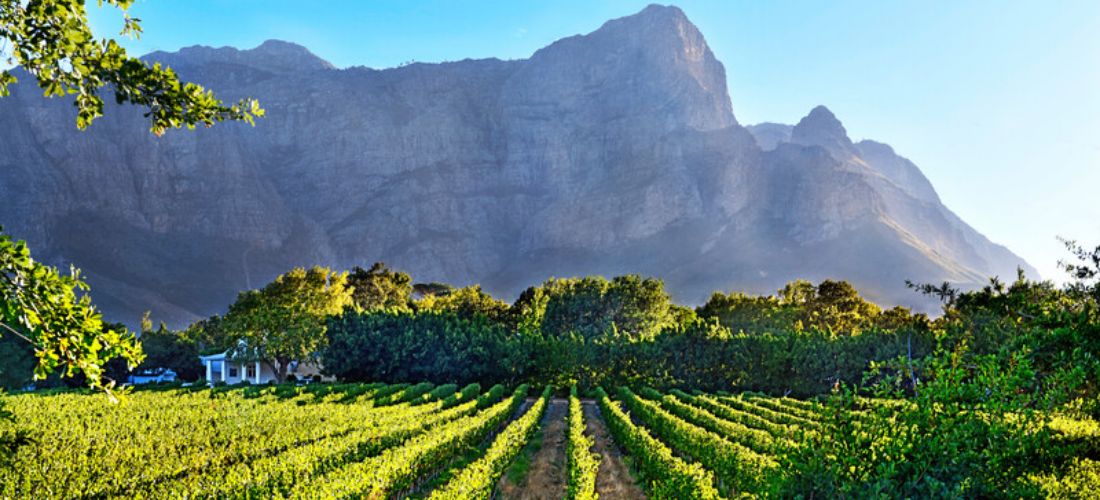

DGB South Africa
724 16th Rd,Midrand, Randjespark,Gauteng,1685,South Africa
DGB South Africa: Bringing Cape Wine Stories Together
South African wine is not one story, but many: historic farms beneath mountain ranges, coastal vineyards shaped by ocean breezes, and generations of people finding new ways to express the Cape. DGB connects these stories through a portfolio of wine brands, combining historic names with contemporary labels and the infrastructure that carries their wines around the world.
More than a company that brings wineries together, DGB is an independent wine and spirits producer and distributor. Its identity lies in the relationship between individual brands and shared expertise, allowing different wine personalities to flourish within one organisation.
DGB History: Cape Heritage and Modern Ambition
DGB was formally established in 1990, but the heritage within its portfolio reaches back much further. Boschendal’s story begins with its title deed in 1685, while Bellingham traces its origins to 1693, when Gerrit Janz van Vuuren and his French Huguenot wife planted their first thousand vines.
These dates belong to the historic producers, rather than the modern company. Together, however, they explain why DGB’s identity combines established Cape traditions with a comparatively recent business story.
A defining chapter arrived in 1999, when Tim Hutchinson led a management buyout alongside investment company Brait. The partnership acquired an 80% shareholding from Graham Beck, with his family’s remaining stake subsequently sold to Brait in 2015. In June 2020, Capitalworks partnered with Hutchinson to acquire a majority shareholding, supporting the next stage of the group’s development.
Wellington: The Production Heart of DGB
For a business associated with many wine destinations, Wellington provides an important geographic anchor. DGB identifies the town as its production headquarters, alongside production sites at Franschhoek and Boschendal.
Here, the story moves beyond vineyards into the work that prepares wine for its journey to customers. Wellington’s facilities include laboratories, a processing plant, bottling operations and warehousing. Its stainless steel tank plant has a stated capacity of 7.2 million litres, accommodating both smaller specialist batches and larger commercial volumes.
This infrastructure explains an important part of DGB’s role: supporting distinctive brands with production expertise, quality checks, packaging and distribution. Behind the familiar labels sits a substantial operation dedicated to bringing finished wines to market.
DGB Winemakers: Individual Talent Across the Portfolio
DGB’s winemaking story belongs to several teams rather than one person overseeing a single estate. At Boschendal, Jacques Viljoen serves as cellar master and red winemaker, while Danielle Coetsee specialises in Cap Classique, South Africa’s traditional method sparkling wine.
Their responsibilities illustrate the portfolio’s breadth. Red wine production demands attention to grape ripeness, tannin and structure, while sparkling winemaking brings its own requirements for freshness and precision.
At Bellingham, Richard Duckitt and Ricardo Cloete bring another perspective. Duckitt grew up in the Darling district as a sixth generation farmer, with family vineyards and his grandfather’s winemaking helping inspire his career. These individual backgrounds matter: DGB’s shared resources support the wines, but the people behind each label help shape their character.
South African Wine Regions and DGB’s Wine Range
DGB offers a journey across brands and places rather than a single estate range. Boschendal brings historic Cape associations, with wines including the 1685 collection, Appellation releases and Cap Classique. Its regional wines provide opportunities to explore places such as Elgin alongside its broader portfolio.
Bellingham contributes the Homestead range and The Bernard Series, including Old Vine Chenin Blanc and Basket Press Syrah. These collections introduce different expressions within one producer, giving wine lovers several paths into its style.
Douglas Green, Brampton, Tall Horse and The Beachhouse widen the selection, while Franschhoek Cellar, Backsberg, Old Road Wine Co. and Fryer’s Cove contribute further identities. Old Road’s connection to Franschhoek vineyard sites and Fryer’s Cove’s West Coast setting underline the geographic diversity. The result is a portfolio that invites comparison, from accessible bottles to more specialised regional and premium releases.
DGB Wine Awards and International Recognition
DGB’s competition record reflects achievements across its brands. At the Mundus Vini Spring Tasting 2026, it received Best Producer South Africa for the fifth consecutive year, alongside recognition as Best Producer South Africa Over the Past 25 Years.
Its results included one Grand Gold, 27 Gold and 19 Silver medals. Bellingham The Bernard Series Old Vine Chenin Blanc Cape Town 2024 received Grand Gold and Best of Show South Africa White.
These distinctions offer evidence of success within the portfolio, but individual medals remain attached to specific wines and vintages. That distinction helps readers understand both the group’s broader achievement and the bottles responsible for it.
Responsible Wine Production and Community Commitments
DGB’s published production information places environmental management, quality assurance and responsible working practices alongside commercial growth. It lists systems and accreditations covering areas such as food safety, environmental management and ethical trade.
The company also identifies Douglas Green as a participant in the international Fairtrade programme. This is a brand connection, rather than a reason to describe every DGB wine as Fairtrade certified. Together, these commitments add another dimension to the group’s identity beyond its labels and awards.
DGB Cellar Doors, Wine Tastings and Dining
Visitors encounter DGB through individual portfolio destinations, not one central group cellar door. Franschhoek Cellar combines tastings with Belgian chocolate or handmade cheese pairings, offering an introduction to its wines in the valley setting.
Its restaurant serves casual Winelands cuisine, with seasonal menus, boards, snacks and options for children. The combination allows visitors to make wine discovery part of a relaxed meal rather than a separate appointment.
Boschendal offers another opportunity to connect a familiar label with its surroundings, with wine tastings at its Werf and Cellar Door locations. Set within the historic farm landscape, these experiences give visitors a different perspective on the portfolio, replacing the abstraction of a large wine group with a particular place and its wines.
These experiences bring the larger business back to something personal. Behind DGB’s production facilities and international reach are wines to taste, places to explore and individual stories to discover: a collection of Cape identities connected by a shared organisation.
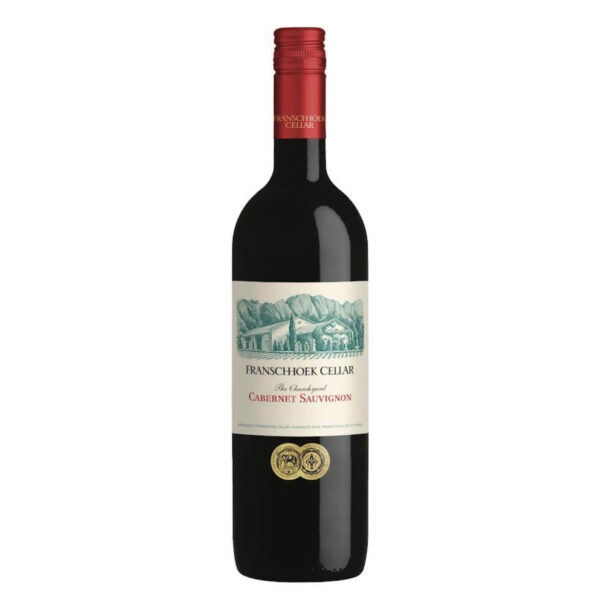
$20.17
/ bottle
$242.00 for a case of 12
 242 pts
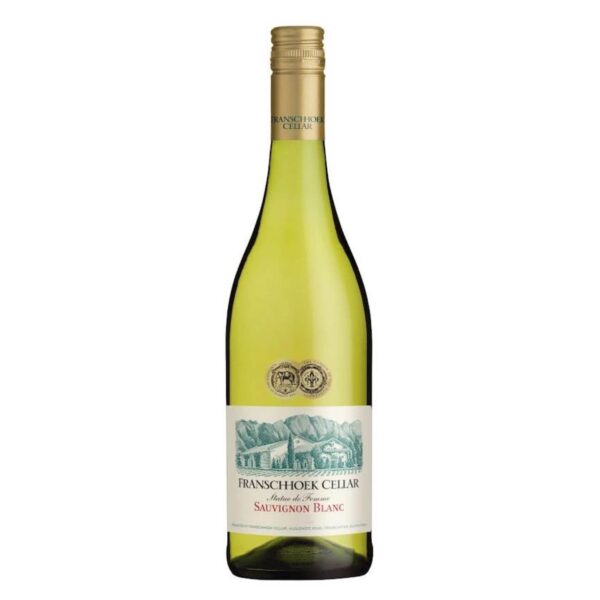
$18.67
/ bottle
$224.00 for a case of 12
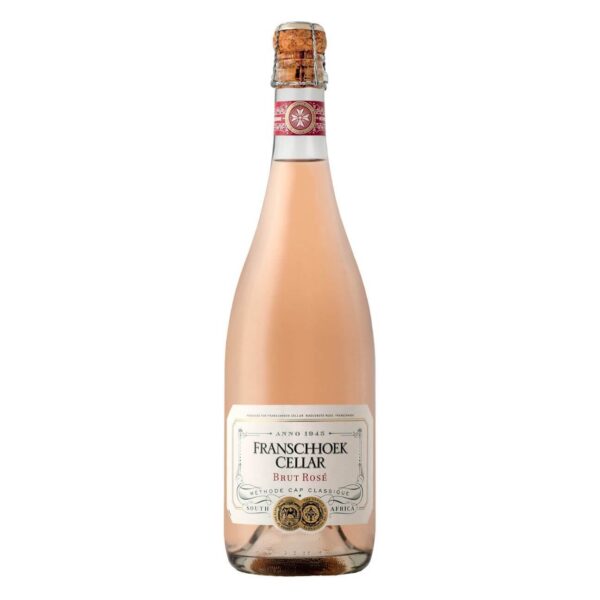
$47.50
/ bottle
$570.00 for a case of 12
 Shiraz
 Cabernet Sauvignon
 Pinot Noir
 Grenache
 Merlot
 Red Wine Blends
 Chardonnay
 Riesling
 Pinot Gris
 Semillon
 Viognier
 Grenache Rosé
 Pinot Noir Rosé
 Shiraz Rosé
 Sangiovese Rosé
 Aglianico Rosé
 Clairette Rose
 Champagne
 Prosecco
 Sparkling Shiraz
 Blanc de Blanc
 Blanc de Noir
 Pet Nat
 Moscato
 Topaque
 Port
 Sherry (dry & sweet)
 Muscat & Tokay
 Vermouth